
Breast cancer mortality remains a public health problem. Screening programmes in Spain are well-established, but present regional differences in organisation and participation.
ObjectiveTo describe the relationship between screening characteristics, participation levels, and breast cancer mortality by autonomous community.
MethodologyAn ecological and time-trend study (2000–2023). Unit of analysis: seventeen autonomous communities, and Ceuta and Melilla analysed jointly (n=18). The following features were considered: socioeconomic context, healthcare system, programme organisation, and mammogram uptake (population-based surveys). Outcome variable: age-standardised mortality rates in women aged 50–69 and ≥70 years. Non-parametric tests for simple associations and joinpoint regression for time trends were applied.
ResultsMortality showed a generalised decreasing trend (2000–2023), which slowed down from 2007, with regional differences and a higher rate in women aged ≥70 years. Mammogram uptake exceeded 70% in most regions, although it followed a sharp decreasing trend from 2017. Bivariate analysis linked lower mortality with higher mammogram uptake and a more favourable socioeconomic context. The organisational characteristics of the programmes showed minor differences in mortality.
ConclusionsDespite the reduction in breast cancer mortality, an unfavourable socioeconomic context and the decline in mammogram uptake may have slowed down the decrease. The shift of mortality towards older age groups will pose a challenge for the healthcare system in the coming years. Structural determinants should be addressed, reinforcing preventive services and screening programmes to reduce regional disparities.
La mortalidad por cáncer de mama sigue siendo un problema de salud pública. Los programas de cribado en España están ampliamente implantados, pero presentan diferencias regionales en su organización y participación.
ObjetivoDescribir la relación entre características de los programas de cribado, niveles de participación y mortalidad por cáncer de mama por comunidad autónoma.
MétodosEstudio ecológico de tendencias temporales (2000-2023). Unidad de análisis: diecisiete comunidades autónomas, y Ceuta y Melilla analizadas conjuntamente (n=18). Se consideraron: contexto socioeconómico, sistema sanitario, organización de los programas y realización de mamografías (encuestas poblacionales). Variable resultado: tasas de mortalidad estandarizadas por edad en mujeres de 50-69 años y ≥70 años. Se realizaron pruebas no paramétricas para asociaciones simples y modelos de regresión joinpoint para tendencias temporales.
ResultadosLa mortalidad siguió una tendencia decreciente (2000-2023), ralentizándose a partir de 2007, con diferencias regionales y tasas más elevadas en mujeres ≥70 años. La realización de mamografías superó el 70% en la mayoría de territorios, aunque siguió una marcada tendencia decreciente desde 2017. El análisis bivariado relacionó una menor mortalidad con una mayor realización de mamografías y un contexto socioeconómico más favorable. Las características organizativas de los programas no mostraron diferencias sustanciales en la mortalidad.
ConclusionesA pesar de la reducción de la mortalidad por cáncer de mama, un contexto socioeconómico desfavorable y el descenso en la realización de mamografías pueden haber ralentizado dicha reducción. El desplazamiento de la mortalidad hacia grupos de mayor edad supondrá un reto para el sistema sanitario en los próximos años. Es necesario abordar los determinantes estructurales, reforzando los servicios preventivos y los programas de cribado para reducir las disparidades territoriales.
Although breast cancer mortality rates have declined and the 5-year life expectancy has increased up to 87.8%1 thanks to early detection and therapeutic improvements, it remains the most common form of cancer and the second leading cause of cancer-related deaths among women in Spain.1 Therefore, it represents a major public health challenge in Spain, as well as globally, since forecasts indicate that the burden of disease will increase in the coming years.2
In this context, enhancing participation in breast cancer screening programmes stands out as a strategic pillar. Breast cancer screening programmes are organised into rounds, usually lasting two years, and are rolled out progressively by cohort or age group until the entire target population has been invited; this process may take several years.3 In Spain, they started to be implemented in 1990, and by the early 2000s full coverage had been achieved in most regions, although the pace varied from one autonomous community to another.4 However, breast cancer screening uptake has decreased in recent years and is below the recommended target of 70% in 2023,5 varying markedly depending on the autonomous community.4 The age range of the programmes’ target population and certain organisational characteristics also differ depending on the autonomous community, with eligibility starting at either 45 or 50 years and ending at the age of 69 in most cases.4 These differences can lead to inequalities in access to cancer screening depending on the autonomous community of residence. As stated in previous studies, regional variations in access to early detection and treatment highlight the role of socioeconomic factors and the infrastructure of the healthcare system in the distribution of breast cancer mortality.6–8
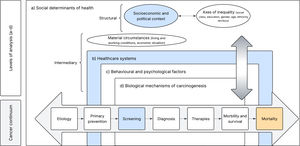
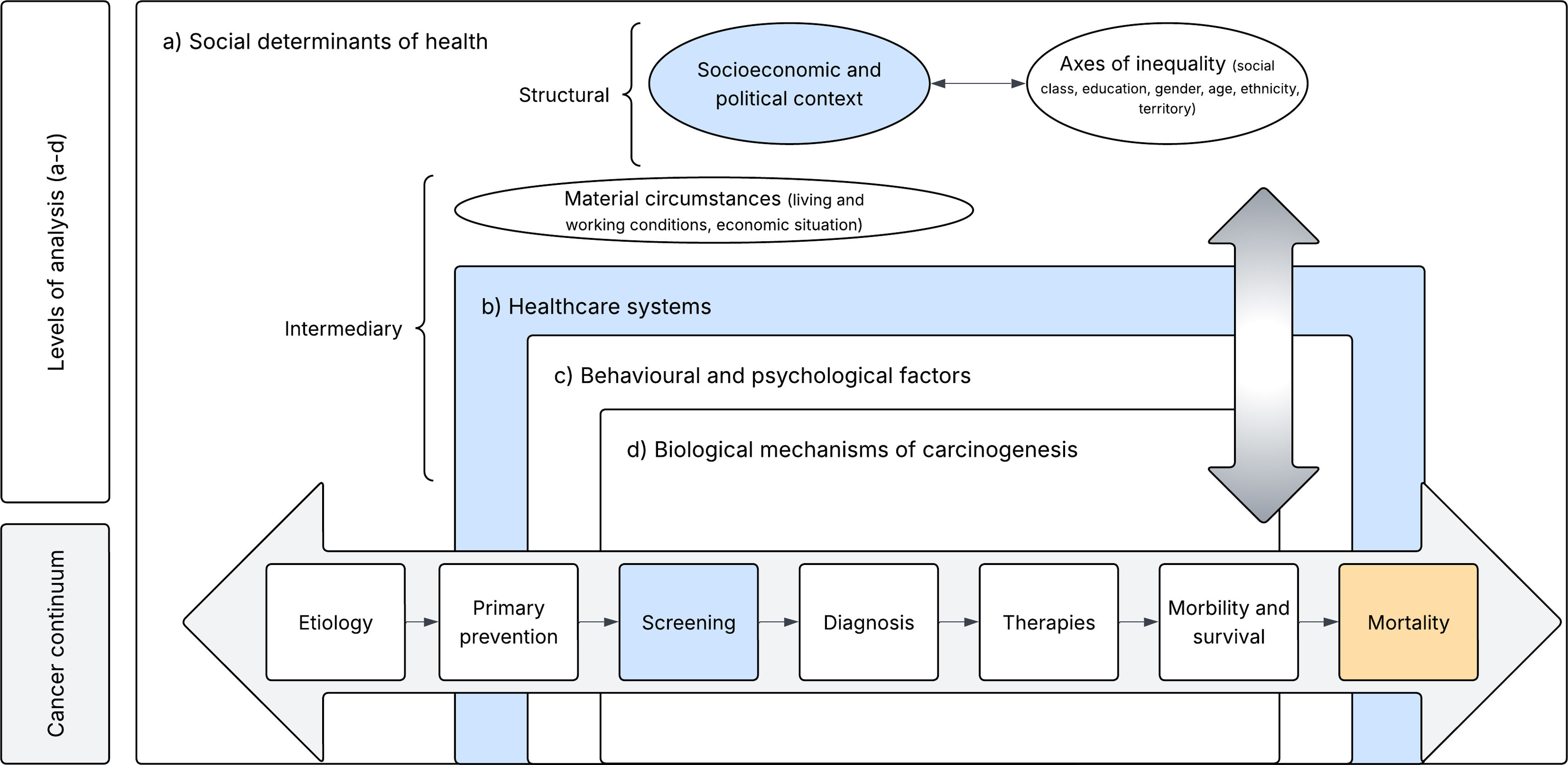
To understand how these inequalities emerge, such factors can be contextualised within the theoretical framework of the social determinants of health (SDH).9 Structural determinants are the socioeconomic and political context, and the axes of inequality (social class, gender, age, ethnicity, territory), which shape power hierarchies, the distribution of resources and people's health opportunities.9 These factors are subject to a range of intermediate determinants, such as living and working conditions or economic circumstances, which, in turn, influence and are influenced by psychosocial, behavioural and biological factors. In each particular context, the healthcare system can act as a catalyst for inequalities if access to it is not equitable, or as a buffer if it ensures equity.9 In this regard, the role of primary care as the gateway to the healthcare system is particularly relevant, given its direct and close contact with the population, as its conditions and its allocation of resources can reflect equity in access to health care and preventive services, as well as signal the extent to which the system may be under strain.
Along these lines, social disparities in cancer represent health inequities throughout the cancer continuum (including prevention, incidence, prevalence, detection, treatment, survival, mortality, and burden of disease) that arise from inequities involving the SDH.10 These determinants can be organised into levels of analysis to highlight specific lines of research and inform interventions across the cancer continuum.11 These levels of analysis are: (a) socioeconomic and political context, (b) healthcare systems, (c) behavioural and psychological factors and (d) biological mechanisms of carcinogenesis11; they are interrelated and influence every stage of the continuum. Under this paradigm, summarized in Supplementary Fig. 1, it is relevant to analyse the relationship between breast cancer screening and breast cancer mortality from a territorial equity perspective, in order to identify potential health inequalities.
Studies examining this relationship in the current Spanish context are scarce. It is therefore of interest to provide an updated overview of breast cancer mortality in Spain in relation to the organisational characteristics of each autonomous community's programme, considering regional differences within the social determinants of health framework.
The aim of this study was to describe the relationship between the characteristics of breast cancer screening programmes and its uptake, and breast cancer mortality by autonomous community over the last 20 years.
Material and methodsStudy designEcological and time trend study. The unit of analysis was the territory, covering Spain through 18 administrative units: the 17 autonomous communities and two autonomous cities (Ceuta and Melilla) which were analysed jointly due to the low number of mortality observations.
Data sources and variables of studyConsidering the theoretical framework outlined above, the following variables were included for each autonomous community as indicators of:
- •
Socioeconomic context (structural determinants): the at-risk-of-poverty or social exclusion rate for the population aged 16 and over (AROPE), which indicates the percentage of the population that is: (1) at risk of poverty, (2) experiencing material deprivation, or (3) living in low employment intensity households (definitions based on the Europe 2020 strategy). Data was available for 2008–2023, from the National Institute of Statistics (INE).12 The proportion of women with a low or primary level of education was also included, based on 2010–2023 data from the Key Indicators National Health System application (INCLASNS).13
- •
Healthcare system context (intermediary determinants): public healthcare expenditure managed by the autonomous communities per inhabitant covered by the National Health Service in euros (2002–2023). As well as the ratio of primary care physicians per 1000 inhabitants (2004–2023). Both variables were obtained from INCLASNS.13
- •
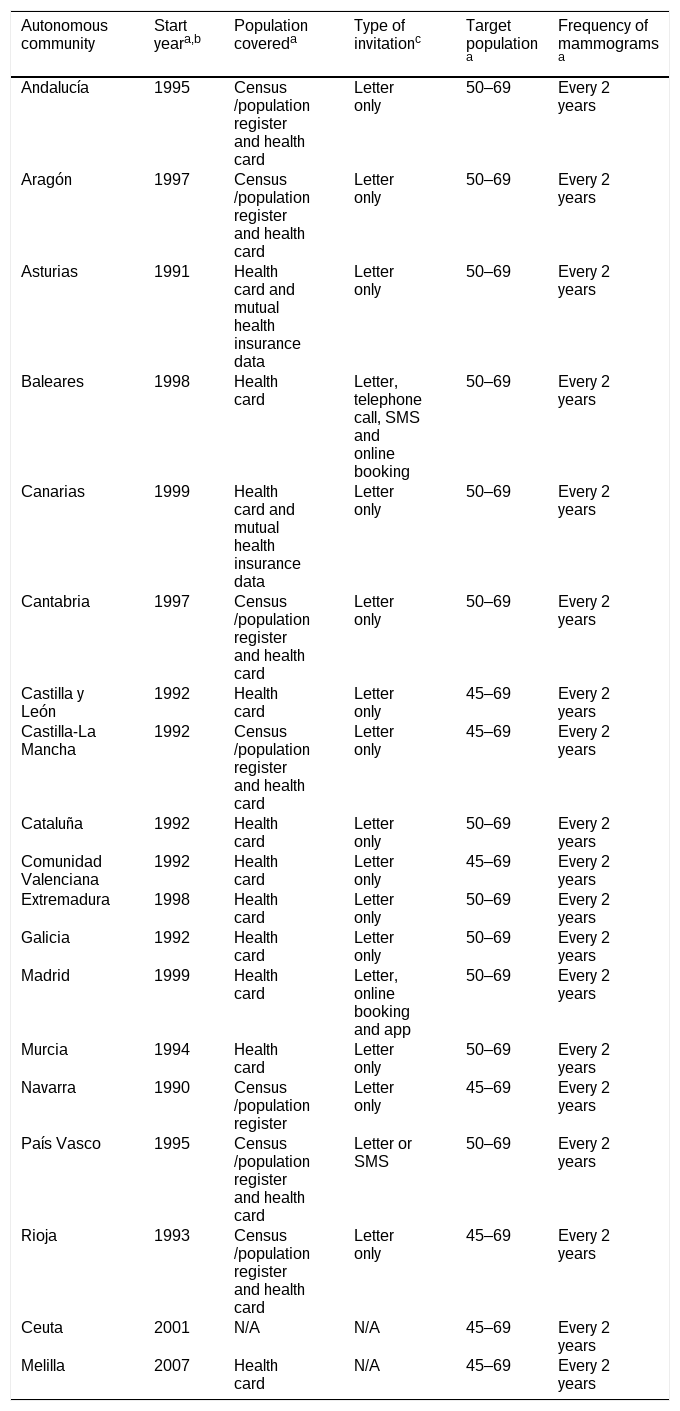
Characteristics of breast cancer screening programmes (cancer continuum): as organisational characteristics (Table 1), start year of the programme, population covered, type of invitation, target population (age range in effect for most of the study period), and ‘programme's age’ from its start until 2023. These were obtained from Red de Programas de Cribado de Cáncer.4 To measure participation in screening programmes, self-reported mammogram uptake was utilised, retrieved from publicly available population-based health surveys from INE12: the 2006, 2011/12 and 2017 National Health Surveys, the 2009, 2014 and 2020 European Health Surveys in Spain, and the 2023 Spanish Health Survey. For each survey, the corresponding sample-centred weighting factors were applied based on elevation factors provided by INE. The variable ‘mammogram uptake’ was constructed by considering the percentage of women aged 50–69 that had had a mammogram performed in the previous two years. For 2009, the cut-off point was the previous three years, due to the wording of the question.
Table 1.Characteristics of breast cancer screening programmes by autonomous community.
Autonomous community Start yeara,b Population covereda Type of invitationc Target populationa Frequency of mammogramsa Andalucía 1995 Census/population register and health card Letter only 50–69 Every 2 years Aragón 1997 Census/population register and health card Letter only 50–69 Every 2 years Asturias 1991 Health card and mutual health insurance data Letter only 50–69 Every 2 years Baleares 1998 Health card Letter, telephone call, SMS and online booking 50–69 Every 2 years Canarias 1999 Health card and mutual health insurance data Letter only 50–69 Every 2 years Cantabria 1997 Census/population register and health card Letter only 50–69 Every 2 years Castilla y León 1992 Health card Letter only 45–69 Every 2 years Castilla-La Mancha 1992 Census/population register and health card Letter only 45–69 Every 2 years Cataluña 1992 Health card Letter only 50–69 Every 2 years Comunidad Valenciana 1992 Health card Letter only 45–69 Every 2 years Extremadura 1998 Health card Letter only 50–69 Every 2 years Galicia 1992 Health card Letter only 50–69 Every 2 years Madrid 1999 Health card Letter, online booking and app 50–69 Every 2 years Murcia 1994 Health card Letter only 50–69 Every 2 years Navarra 1990 Census/population register Letter only 45–69 Every 2 years País Vasco 1995 Census/population register and health card Letter or SMS 50–69 Every 2 years Rioja 1993 Census/population register and health card Letter only 45–69 Every 2 years Ceuta 2001 N/A N/A 45–69 Every 2 years Melilla 2007 Health card N/A 45–69 Every 2 years Notes: N/A: no data available; SMS: short message service.
The outcome variable was the age-standardised mortality rate for breast cancer (ASMR) in women, calculated by age group (50–69 and ≥70 years), from 2000 to 2023. Standardisation was performed using the direct method (2013 European standard population), grouping data into three-year periods to stabilise the rates for the analysis of temporal trends. The sources were anonymised microdata from the Statistical Bulletin of Deaths by Cause of Death 2000–2023 for women residing in Spain using the 10th Revision of the International Classification of Diseases (ICD-10) code C50, along with annual population data from the continuous population register (2000–2022) – which ceased operations in 2022 – and the annual census (2023) (INE). Given that ICD-10 was implemented for mortality coding in Spain in 1999, all data throughout the study period were consistently retrieved under this classification.
Statistical analysesIn the descriptive analysis, frequencies, percentages and 95% confidence intervals (CI) were calculated (for categorical variables), as well as the median and interquartile range (IQR) (for quantitative variables). Bivariate analyses were performed using non-parametric methods due to the number of territories analysed (n=18) (Spearman's correlation, Mann–Whitney U or Kruskal–Wallis tests, depending on the type of variable); 95% confidence intervals (95% CI) for the correlation coefficients were calculated using Fisher's z-transformation adjusted for non-parametric rank data. To analyse temporal trends in mammogram uptake (2006–2023) and standardised mortality rates (2000–2023), joinpoint regression models were used. This analysis enabled the identification of significant trend change points (joinpoints), as well as the estimation of the annual percentage change (APC) for each specific period delimited by the joinpoints, and the average annual percentage change (AAPC) for the entire study period. The following software were used: SPSS version 29®, RStudio 2026.01.2+418, Microsoft Excel and Joinpoint Regression Program version 5.4.0.0.14 Statistical significance was set at p<0.05. Autonomous communities with missing data were excluded only from the analyses involving that specific variable.
Regarding data from Ceuta and Melilla, the mean was calculated for the socioeconomic context, healthcare system and organisational screening variables, whereas data from both regions were aggregated to calculate mammogram uptake and mortality rates.
This study focuses on women due to the nature of population-based breast cancer screening. Sex was defined based on biological sex using a binary classification (male/female), as this was how it was provided in the sources used. This work followed STROBE guidelines (Appendix A) and has been approved by the corresponding ethics committee.
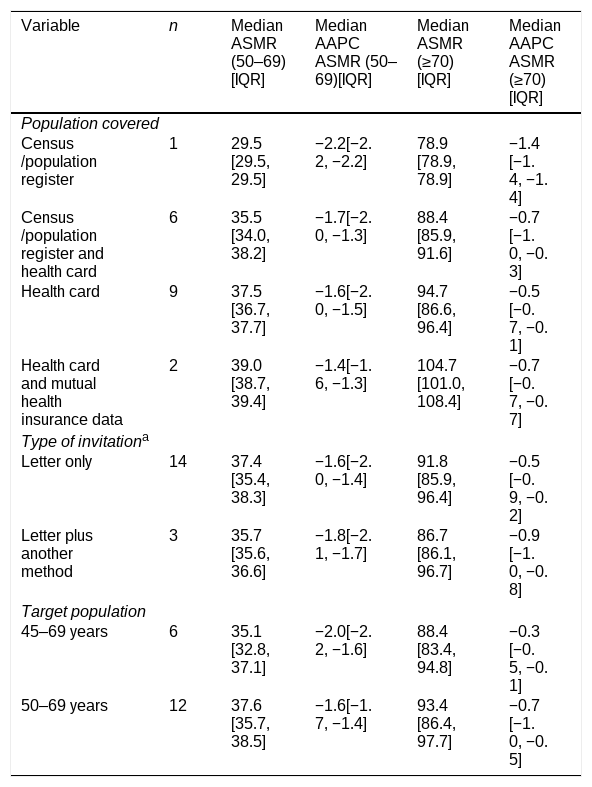
ResultsCharacteristics of breast cancer screening programmesWith regard to the study period (2000–2023), population-based screening programmes were implemented across all analysed territories. As for their organisational characteristics, most regions invited participation by mailing letters, the population covered was most frequently drawn from the health card database, and the predominant target population age range was 50–69 years. In this context, differences in mortality rates and trends according to these programme characteristics were minor, showing overlapping interquartile ranges (IQRs) across most categories (Table 2).
Descriptive characteristics of the standardised breast cancer mortality rate by organisational characteristics of screening programmes, by autonomous community.
| Variable | n | Median ASMR (50–69)[IQR] | Median AAPC ASMR (50–69)[IQR] | Median ASMR (≥70)[IQR] | Median AAPC ASMR (≥70)[IQR] |
|---|---|---|---|---|---|
| Population covered | |||||
| Census/population register | 1 | 29.5[29.5, 29.5] | −2.2[−2.2, −2.2] | 78.9[78.9, 78.9] | −1.4[−1.4, −1.4] |
| Census/population register and health card | 6 | 35.5[34.0, 38.2] | −1.7[−2.0, −1.3] | 88.4[85.9, 91.6] | −0.7[−1.0, −0.3] |
| Health card | 9 | 37.5[36.7, 37.7] | −1.6[−2.0, −1.5] | 94.7[86.6, 96.4] | −0.5[−0.7, −0.1] |
| Health card and mutual health insurance data | 2 | 39.0[38.7, 39.4] | −1.4[−1.6, −1.3] | 104.7[101.0, 108.4] | −0.7[−0.7, −0.7] |
| Type of invitationa | |||||
| Letter only | 14 | 37.4[35.4, 38.3] | −1.6[−2.0, −1.4] | 91.8[85.9, 96.4] | −0.5[−0.9, −0.2] |
| Letter plus another method | 3 | 35.7[35.6, 36.6] | −1.8[−2.1, −1.7] | 86.7[86.1, 96.7] | −0.9[−1.0, −0.8] |
| Target population | |||||
| 45–69 years | 6 | 35.1[32.8, 37.1] | −2.0[−2.2, −1.6] | 88.4[83.4, 94.8] | −0.3[−0.5, −0.1] |
| 50–69 years | 12 | 37.6[35.7, 38.5] | −1.6[−1.7, −1.4] | 93.4[86.4, 97.7] | −0.7[−1.0, −0.5] |
Notes: n: absolute frequency; %: percentage; IQR: interquartile range presented as [25th; 75th percentiles]; ASMR: standardised mortality rate for breast cancer in women 50–69 and ≥70 years old, calculated using the direct method (2013 European standard population); AAPC: average annual percentage change obtained via joinpoint regression analysis. p-Values for all associations >0.05 (Kruskal–Wallis test for categorical variables with ≥3 categories; Mann–Whitney U test for variables with 2 categories). Ceuta and Melilla were analysed as a single unit of analysis.
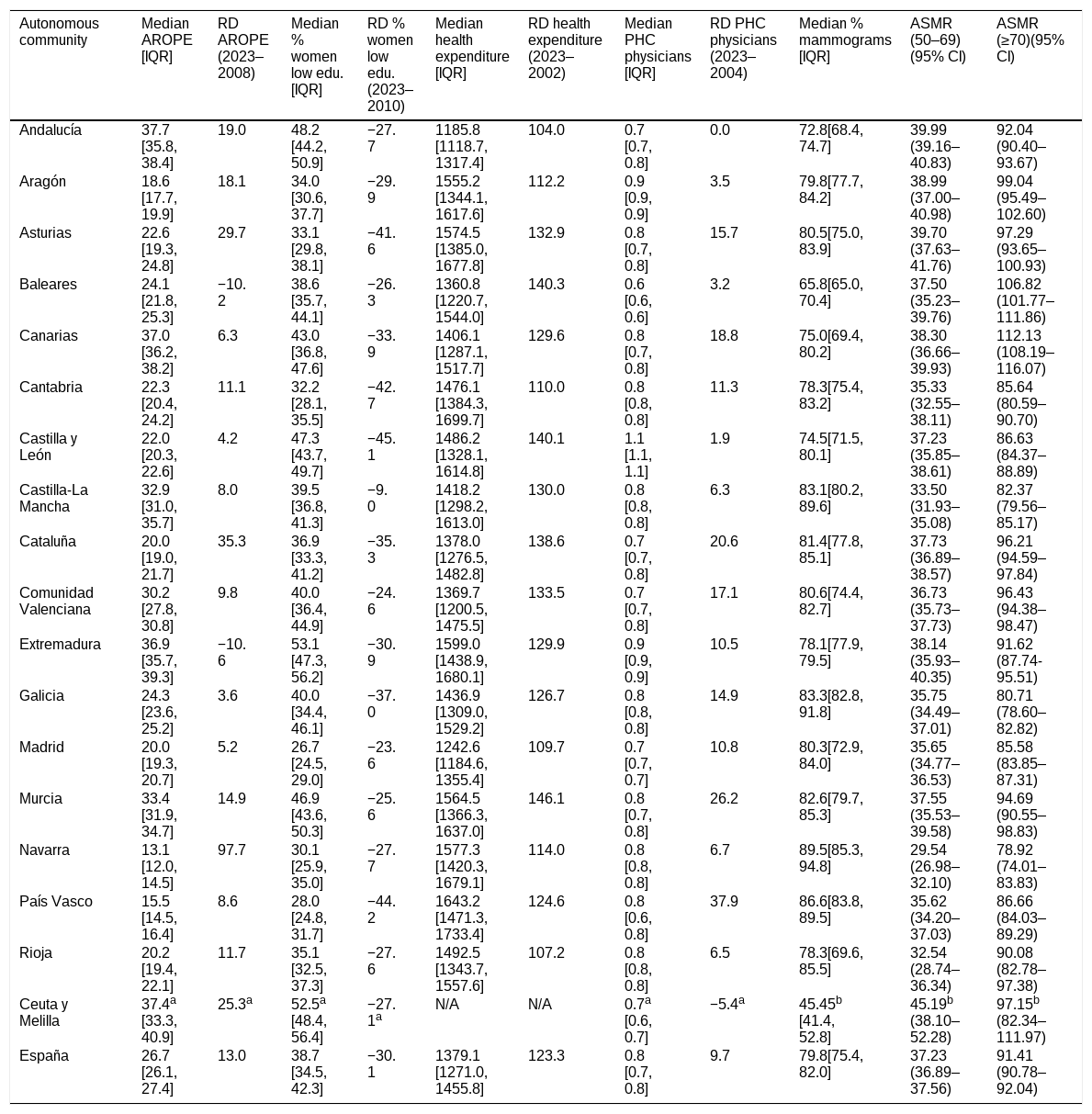
Regarding the regional contextual characteristics (Table 3), the median AROPE rate exhibited a persisting north-south gradient, with relative AROPE increases in the majority of territories. Conversely, the proportion of women with a low level of education decreased, with more favourable indicators observed in the north. As for the healthcare system variables, overall healthcare expenditure rose between 2002 and 2023, although Andalucía and Madrid showed the lowest figures and the smallest increases. Furthermore, the ratio of primary care physicians per thousand inhabitants across most of the country, with the exception of Castilla y León, was less than one, with slight relative increases.
Descriptive statistics for contextual variables and breast cancer mortality-related variables.
| Autonomous community | Median AROPE[IQR] | RD AROPE (2023–2008) | Median %women low edu.[IQR] | RD %women low edu. (2023–2010) | Median health expenditure[IQR] | RD health expenditure (2023–2002) | Median PHC physicians[IQR] | RD PHC physicians (2023–2004) | Median %mammograms[IQR] | ASMR (50–69)(95% CI) | ASMR (≥70)(95% CI) |
|---|---|---|---|---|---|---|---|---|---|---|---|
| Andalucía | 37.7[35.8, 38.4] | 19.0 | 48.2[44.2, 50.9] | −27.7 | 1185.8[1118.7, 1317.4] | 104.0 | 0.7[0.7, 0.8] | 0.0 | 72.8[68.4, 74.7] | 39.99(39.16–40.83) | 92.04(90.40–93.67) |
| Aragón | 18.6[17.7, 19.9] | 18.1 | 34.0[30.6, 37.7] | −29.9 | 1555.2[1344.1, 1617.6] | 112.2 | 0.9[0.9, 0.9] | 3.5 | 79.8[77.7, 84.2] | 38.99(37.00–40.98) | 99.04(95.49–102.60) |
| Asturias | 22.6[19.3, 24.8] | 29.7 | 33.1[29.8, 38.1] | −41.6 | 1574.5[1385.0, 1677.8] | 132.9 | 0.8[0.7, 0.8] | 15.7 | 80.5[75.0, 83.9] | 39.70(37.63–41.76) | 97.29(93.65–100.93) |
| Baleares | 24.1[21.8, 25.3] | −10.2 | 38.6[35.7, 44.1] | −26.3 | 1360.8[1220.7, 1544.0] | 140.3 | 0.6[0.6, 0.6] | 3.2 | 65.8[65.0, 70.4] | 37.50(35.23–39.76) | 106.82(101.77–111.86) |
| Canarias | 37.0[36.2, 38.2] | 6.3 | 43.0[36.8, 47.6] | −33.9 | 1406.1[1287.1, 1517.7] | 129.6 | 0.8[0.7, 0.8] | 18.8 | 75.0[69.4, 80.2] | 38.30(36.66–39.93) | 112.13(108.19–116.07) |
| Cantabria | 22.3[20.4, 24.2] | 11.1 | 32.2[28.1, 35.5] | −42.7 | 1476.1[1384.3, 1699.7] | 110.0 | 0.8[0.8, 0.8] | 11.3 | 78.3[75.4, 83.2] | 35.33(32.55–38.11) | 85.64(80.59–90.70) |
| Castilla y León | 22.0[20.3, 22.6] | 4.2 | 47.3[43.7, 49.7] | −45.1 | 1486.2[1328.1, 1614.8] | 140.1 | 1.1[1.1, 1.1] | 1.9 | 74.5[71.5, 80.1] | 37.23(35.85–38.61) | 86.63(84.37–88.89) |
| Castilla-La Mancha | 32.9[31.0, 35.7] | 8.0 | 39.5[36.8, 41.3] | −9.0 | 1418.2[1298.2, 1613.0] | 130.0 | 0.8[0.8, 0.8] | 6.3 | 83.1[80.2, 89.6] | 33.50(31.93–35.08) | 82.37(79.56–85.17) |
| Cataluña | 20.0[19.0, 21.7] | 35.3 | 36.9[33.3, 41.2] | −35.3 | 1378.0[1276.5, 1482.8] | 138.6 | 0.7[0.7, 0.8] | 20.6 | 81.4[77.8, 85.1] | 37.73(36.89–38.57) | 96.21(94.59–97.84) |
| Comunidad Valenciana | 30.2[27.8, 30.8] | 9.8 | 40.0[36.4, 44.9] | −24.6 | 1369.7[1200.5, 1475.5] | 133.5 | 0.7[0.7, 0.8] | 17.1 | 80.6[74.4, 82.7] | 36.73(35.73–37.73) | 96.43(94.38–98.47) |
| Extremadura | 36.9[35.7, 39.3] | −10.6 | 53.1[47.3, 56.2] | −30.9 | 1599.0[1438.9, 1680.1] | 129.9 | 0.9[0.9, 0.9] | 10.5 | 78.1[77.9, 79.5] | 38.14(35.93–40.35) | 91.62(87.74-95.51) |
| Galicia | 24.3[23.6, 25.2] | 3.6 | 40.0[34.4, 46.1] | −37.0 | 1436.9[1309.0, 1529.2] | 126.7 | 0.8[0.8, 0.8] | 14.9 | 83.3[82.8, 91.8] | 35.75(34.49–37.01) | 80.71(78.60–82.82) |
| Madrid | 20.0[19.3, 20.7] | 5.2 | 26.7[24.5, 29.0] | −23.6 | 1242.6[1184.6, 1355.4] | 109.7 | 0.7[0.7, 0.7] | 10.8 | 80.3[72.9, 84.0] | 35.65(34.77–36.53) | 85.58(83.85–87.31) |
| Murcia | 33.4[31.9, 34.7] | 14.9 | 46.9[43.6, 50.3] | −25.6 | 1564.5[1366.3, 1637.0] | 146.1 | 0.8[0.7, 0.8] | 26.2 | 82.6[79.7, 85.3] | 37.55(35.53–39.58) | 94.69(90.55–98.83) |
| Navarra | 13.1[12.0, 14.5] | 97.7 | 30.1[25.9, 35.0] | −27.7 | 1577.3[1420.3, 1679.1] | 114.0 | 0.8[0.8, 0.8] | 6.7 | 89.5[85.3, 94.8] | 29.54(26.98–32.10) | 78.92(74.01–83.83) |
| País Vasco | 15.5[14.5, 16.4] | 8.6 | 28.0[24.8, 31.7] | −44.2 | 1643.2[1471.3, 1733.4] | 124.6 | 0.8[0.6, 0.8] | 37.9 | 86.6[83.8, 89.5] | 35.62(34.20–37.03) | 86.66(84.03–89.29) |
| Rioja | 20.2[19.4, 22.1] | 11.7 | 35.1[32.5, 37.3] | −27.6 | 1492.5[1343.7, 1557.6] | 107.2 | 0.8[0.8, 0.8] | 6.5 | 78.3[69.6, 85.5] | 32.54(28.74–36.34) | 90.08(82.78–97.38) |
| Ceuta y Melilla | 37.4a[33.3, 40.9] | 25.3a | 52.5a[48.4, 56.4] | −27.1a | N/A | N/A | 0.7a[0.6, 0.7] | −5.4a | 45.45b[41.4, 52.8] | 45.19b(38.10–52.28) | 97.15b(82.34–111.97) |
| España | 26.7[26.1, 27.4] | 13.0 | 38.7[34.5, 42.3] | −30.1 | 1379.1[1271.0, 1455.8] | 123.3 | 0.8[0.7, 0.8] | 9.7 | 79.8[75.4, 82.0] | 37.23(36.89–37.56) | 91.41(90.78–92.04) |
Notes: RD: relative difference (%). Interquartile range presented as [25th; 75th percentiles]. Health expenditure in thousands of euros. PHC physicians: primary health care physicians ratio per 1000 inhabitants; AROPE: share of the total population at risk of poverty or social exclusion (%); Low edu.: low educational attainment; ASMR: breast cancer mortality rate among women (aged 50–69 and ≥70 years), standardised using the direct method (2013 European standard population); 95% CI: 95% confidence interval; N/A: no data available.
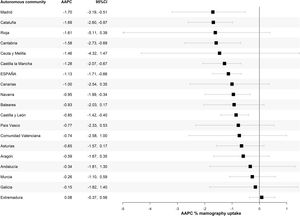
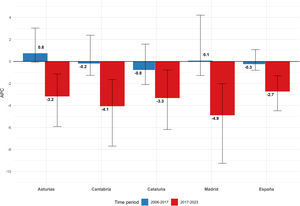
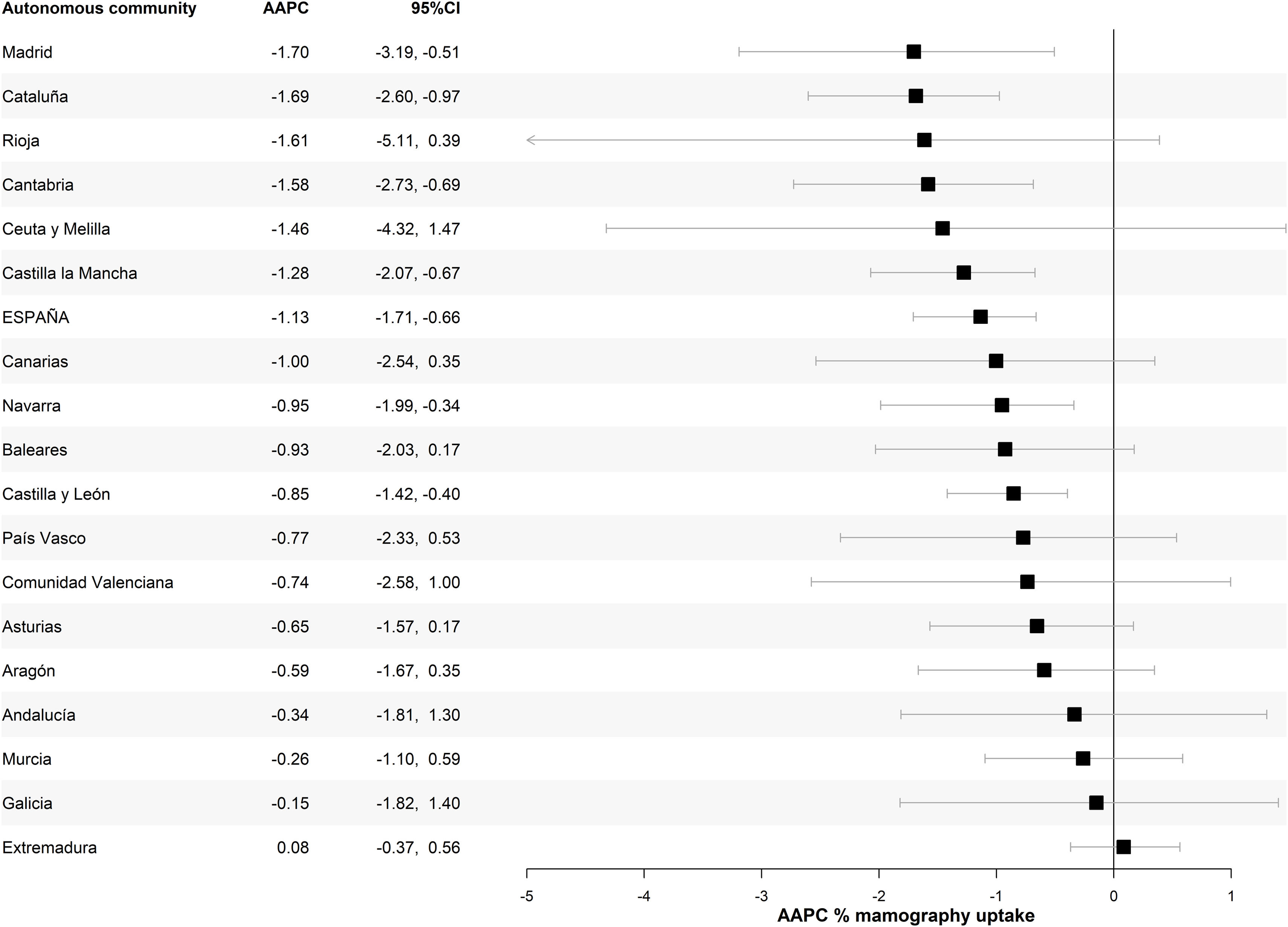
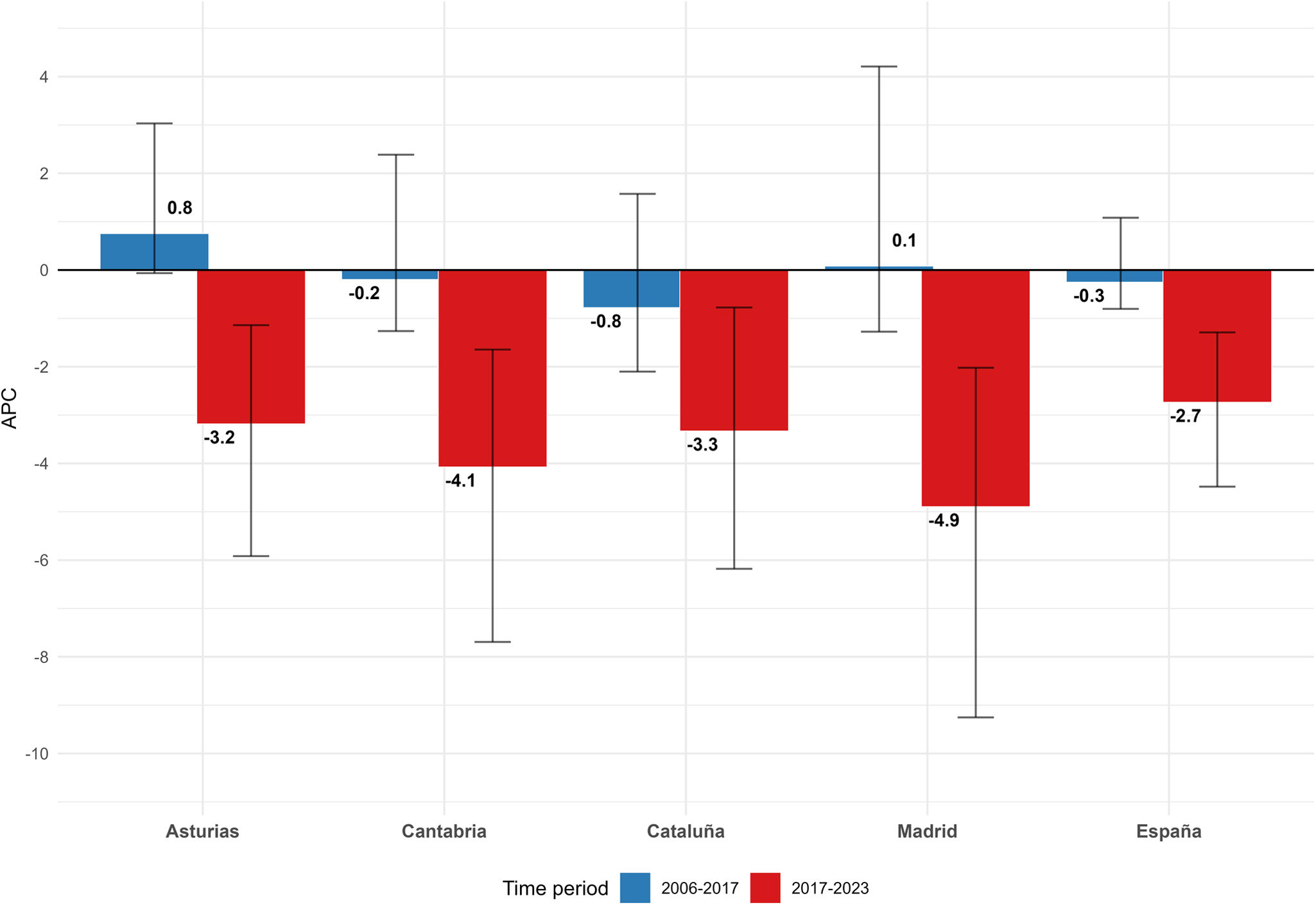
During the study period in most regions, the median percentage of mammograms performed among women aged 50–69 surpassed 70% (Table 3). However, the overall trend in mammogram uptake was downward, with the regions of Madrid and Cataluña showing the largest decreases in the AAPC (Supplementary Fig. 2). Particularly, the analysis of temporal trends identified a joinpoint in 2017 for Asturias, Cantabria, Cataluña, Madrid and Spain as a whole, showing an acceleration of the rate of decline from that year onwards (Supplementary Fig. 3).
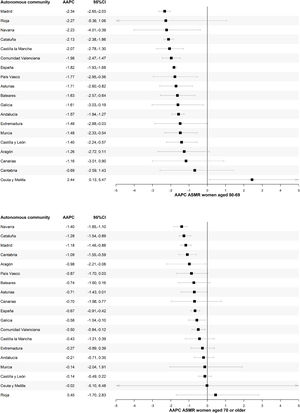
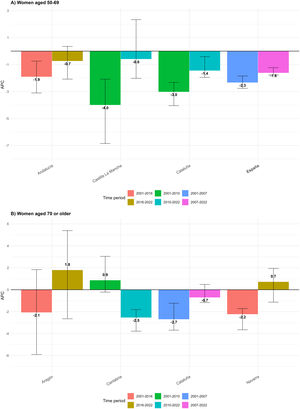
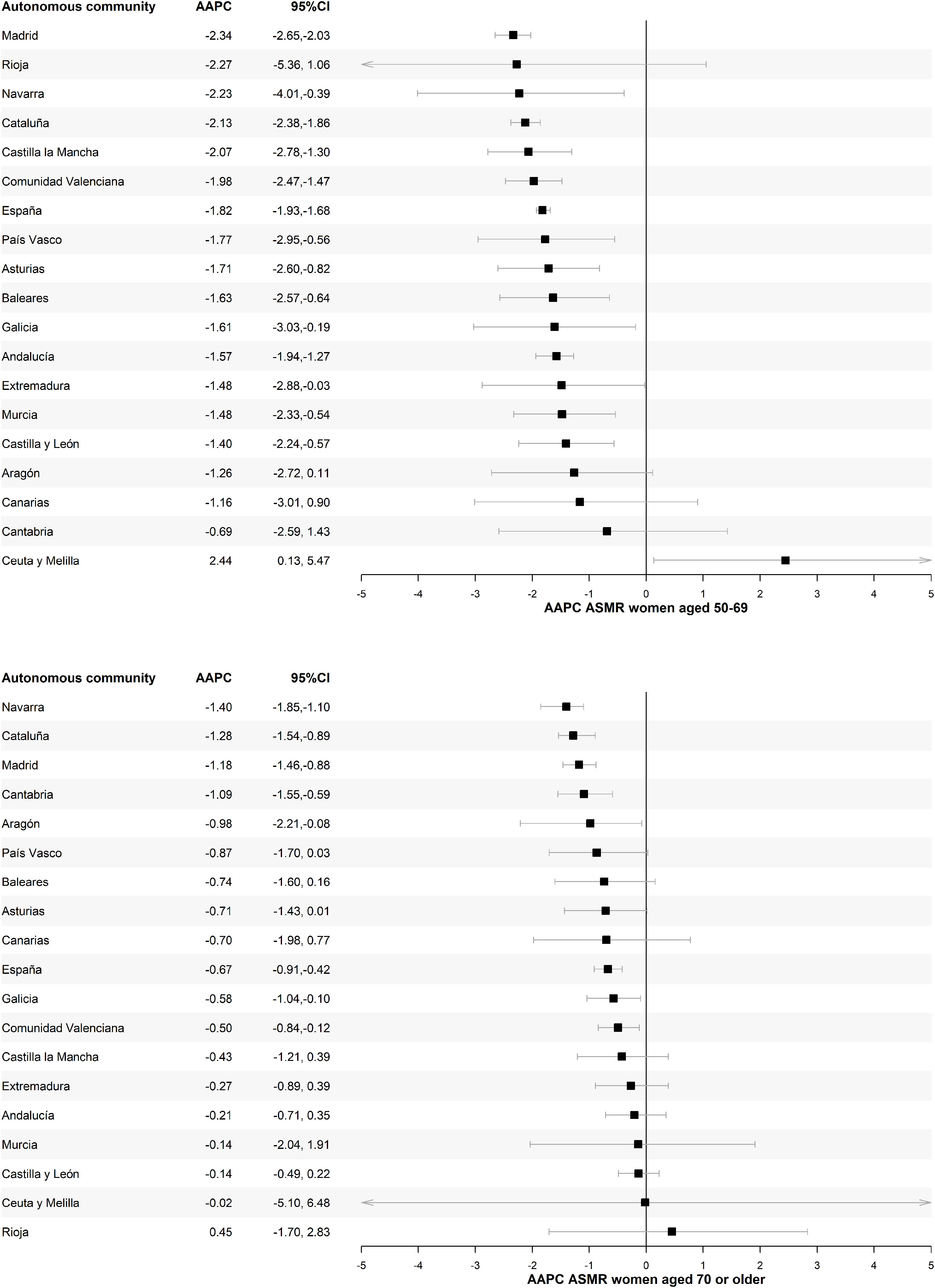
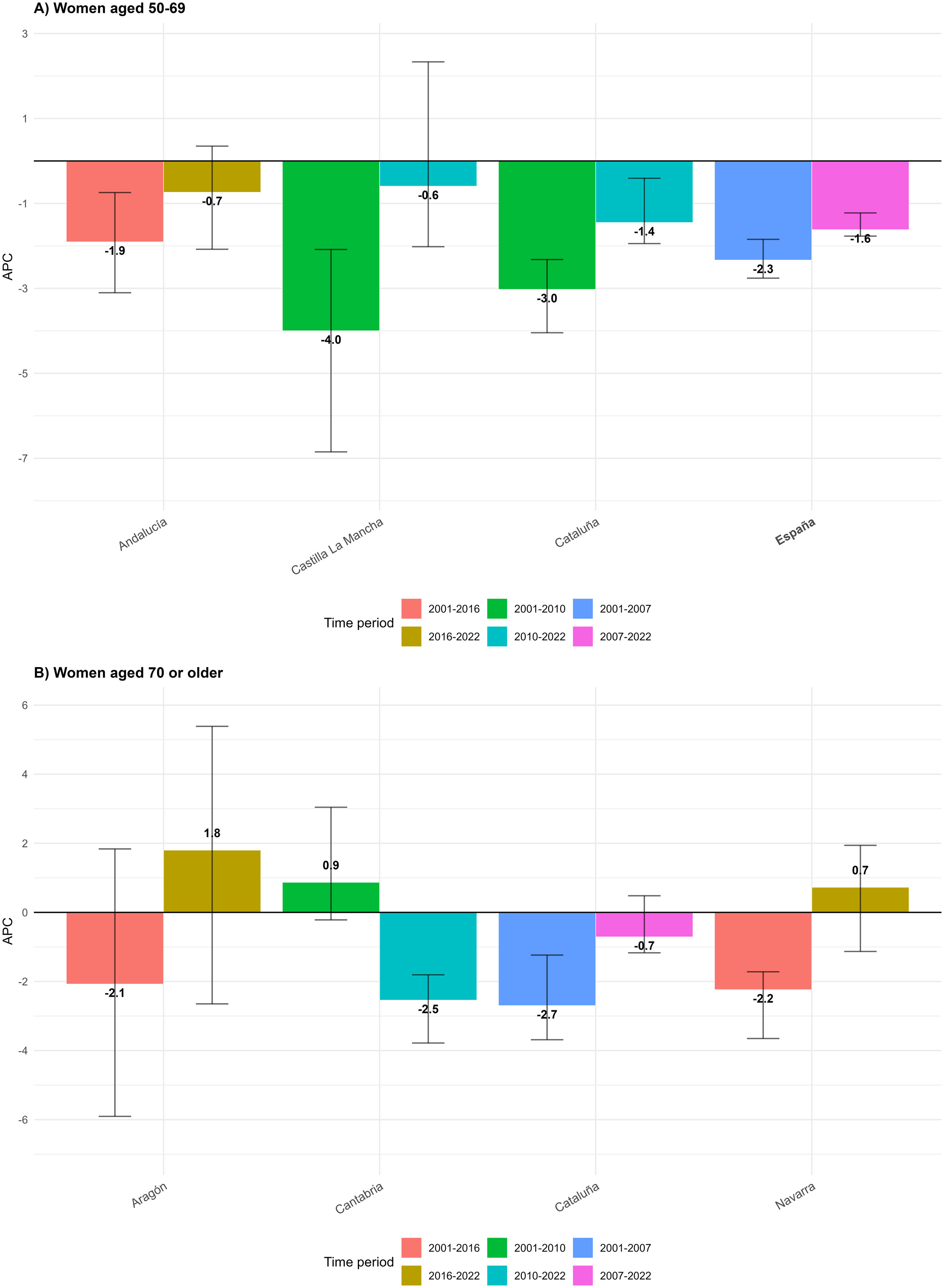
Breast cancer mortality ratesAcross all territories, the age-standardised mortality rate (ASMR) for breast cancer in those aged ≥70 was higher than that for the 50–69 age group (Table 3). Geographically, the highest rates in the 50–69 age group were recorded in Ceuta and Melilla, Andalucía, and Asturias, whereas the Canary Islands and the Balearic Islands registered the highest values in the ≥70 age group. Overall, mortality trends declined throughout the study period, except for Ceuta and Melilla (50–69 years) and La Rioja (≥70 years) (Supplementary Fig. 4). Specifically, in the 50–69 age group, the trend analysis identified significant joinpoints in the following autonomous communities: Andalucía (2016), Castilla-La Mancha (2010), Cataluña (2010), as well as in Spain as a whole (2007), where in all cases the decline in the ASMR subsequently slowed down (Supplementary Fig. 5). Conversely, among women aged 70 and over, the trend changes after the joinpoints were more heterogeneous. Detailed triennial mortality trends for both age groups are available in Supplementary Table 1.
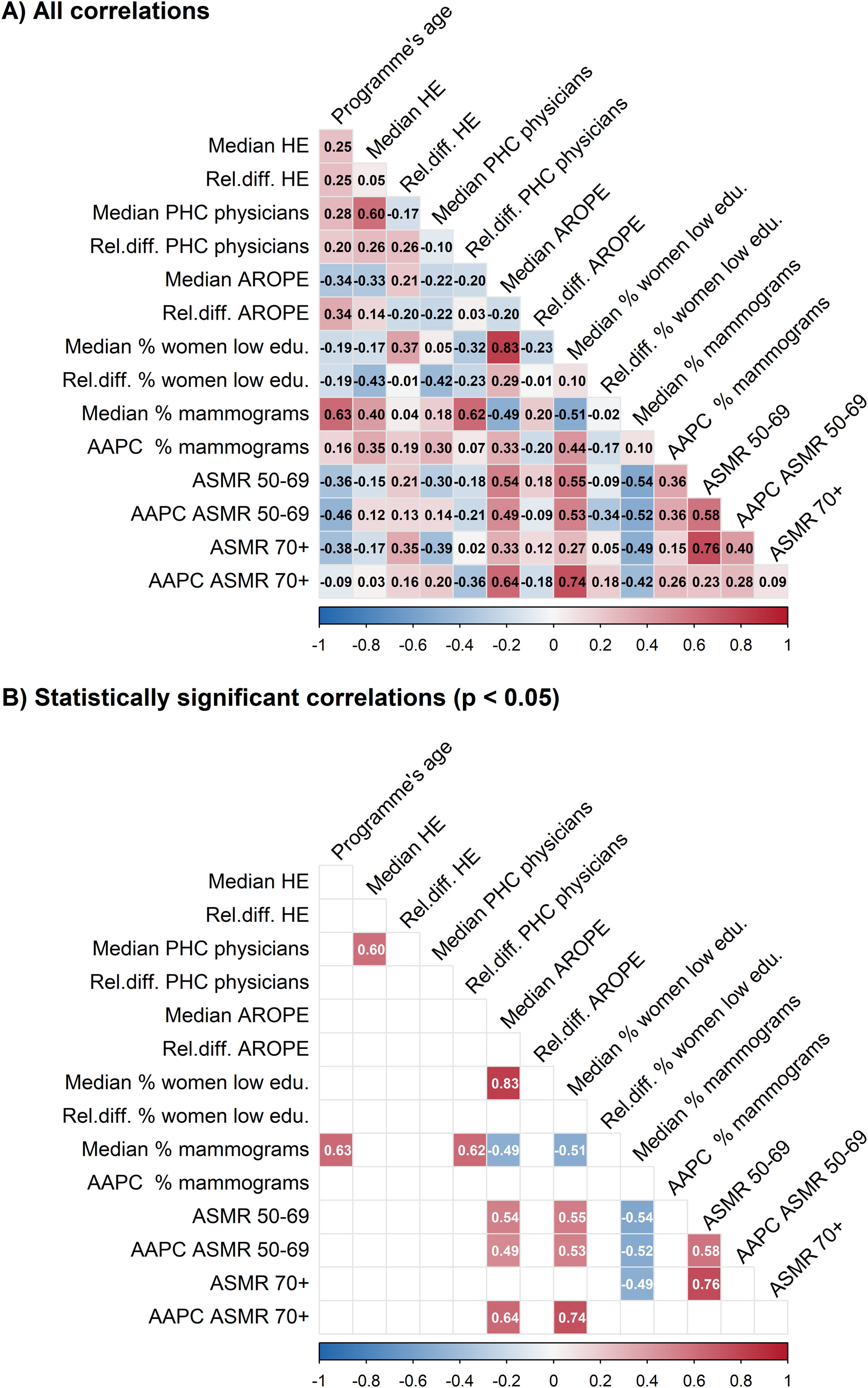
Relationship between breast cancer screening programme characteristics, participation rates, socioeconomic context and mortalityAs shown in Fig. 1, higher AROPE rates and a higher proportion of women with low educational attainment were associated with higher mortality (moderate positive correlation for women aged 50–69: ρ=0.54, 95% CI: 0.09 to 0.80; and ρ=0.55, 95% CI: 0.11 to 0.81, respectively) and lower mammogram uptake (moderate negative relationship: ρ=−0.49, 95% CI: −0.78 to −0.03; and ρ=−0.51, 95% CI: −0.79 to −0.06, respectively); median mammogram uptake was moderately and negatively correlated with ASMR (ρ=−0.54, 95% CI: −0.80 to −0.11 for 50–69; and ρ=−0.49, 95% CI: −0.77 to −0.05 for ≥70). The correlation between these variables and the mortality trend (AAPC) followed the same directions. Conversely, the programme's age and the increase in primary care physicians showed moderate-to-strong positive correlations with mammogram uptake (ρ=0.63, 95% CI: 0.23 to 0.85; and ρ=0.62, 95% CI: 0.22 to 0.84, respectively). Median healthcare expenditure showed a weak negative relationship with mortality (ρ=−0.15, 95% CI: −0.59 to 0.35 for ASMR 50–69; and ρ=−0.17, 95% CI: −0.60 to 0.34 for ASMR ≥70).
Spearman's correlation matrix for the quantitative variables studied. Notes: The colour scale indicates the direction (blue=negative, red=positive) and the strength of the association. Panel above shows all correlations; panel below shows significant correlations (blank cells=p-value >0.05). Rel. diff.: relative difference; HE: healthcare expenditure; PHC: primary health care; AROPE: share of the total population at risk of poverty or social exclusion (%); Low edu.: low educational attainment; ASMR: age-standardised mortality rate for breast cancer in women aged 50–69 and ≥70 years; AAPC: average annual percentage change obtained via joinpoint regression analysis. Ceuta and Melilla were analysed as a single unit of analysis.
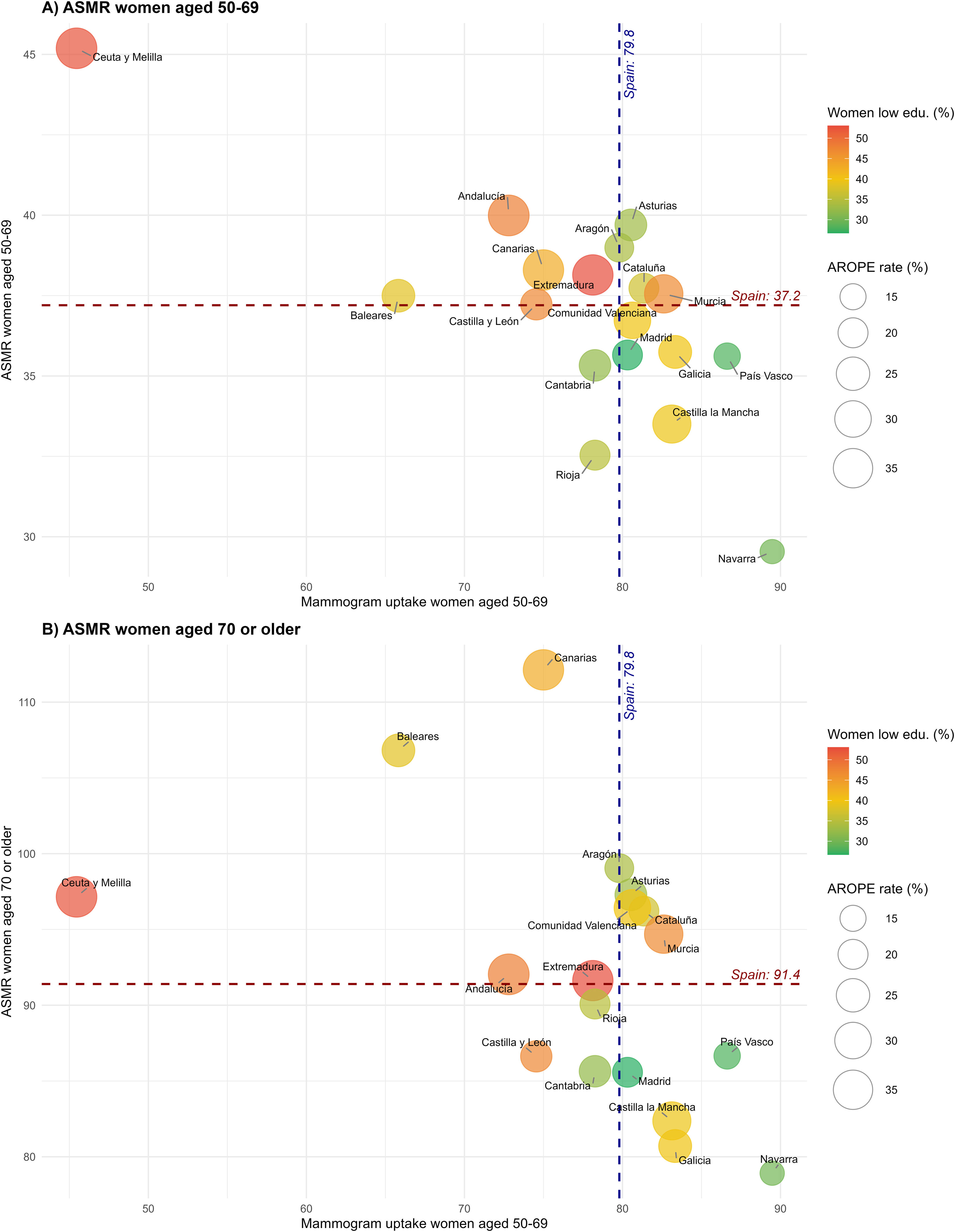
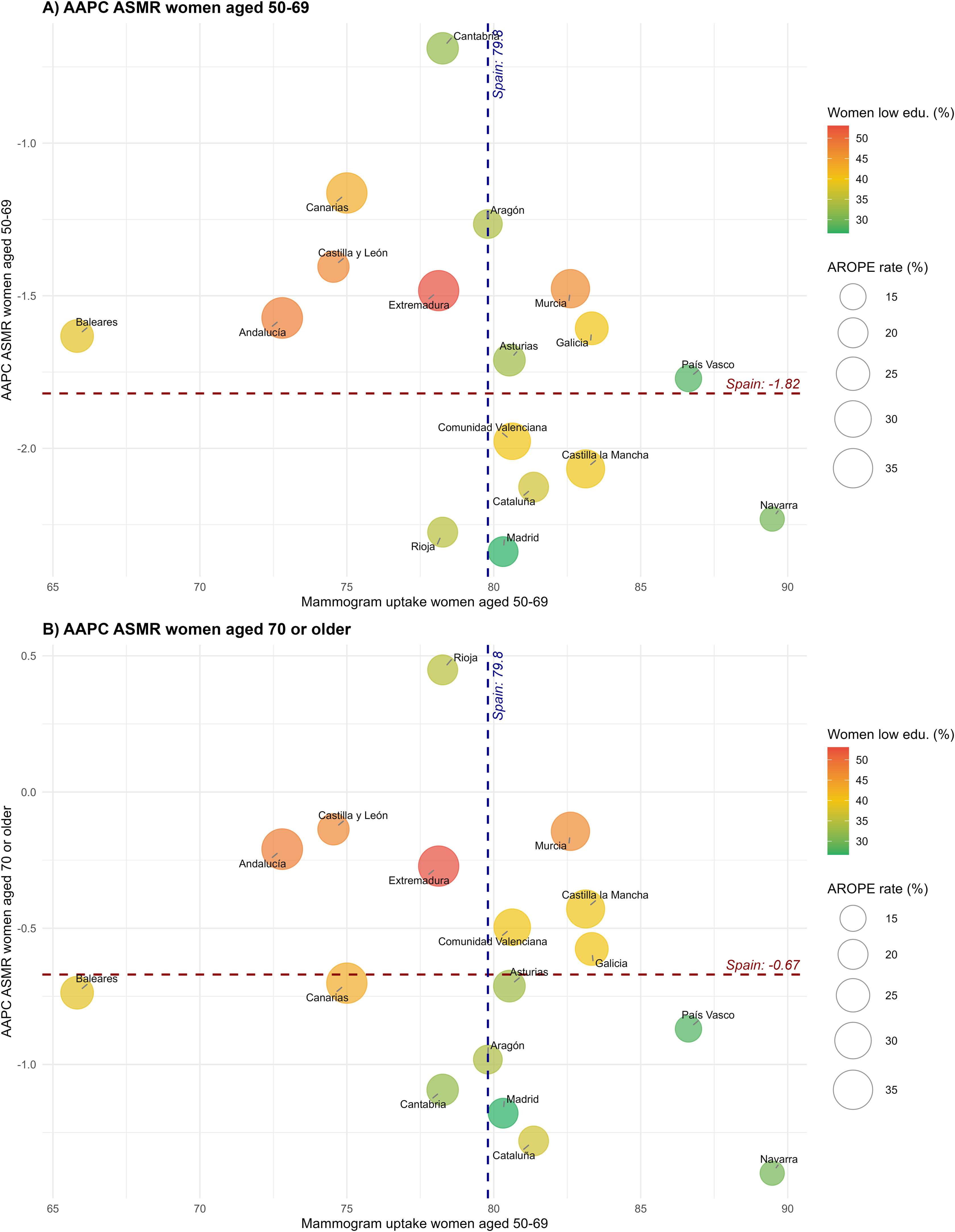
Analysing graphically the multidimensional relationship between mammogram uptake, mortality rates and socioeconomic context displayed four contrasting patterns, two of which are particularly noteworthy (Fig. 2). A high vulnerability or ‘worst-case’ scenario that was characterised by higher mortality than the Spanish rate and lower mammogram uptake, identified mainly in autonomous communities with unfavourable socioeconomic contexts (high AROPE rates and a high proportion of women with low educational attainment), such as Ceuta and Melilla, Andalucía, the Canary Islands, the Balearic Islands and Extremadura. By contrast, the ‘best-case scenario’ was defined by a lower ASMR than the Spanish rate and higher mammogram uptake. This pattern, in turn, coincided with more advantaged socioeconomic contexts, notably Navarra, País Vasco, Castilla-La Mancha and Galicia. A similar pattern distribution was observed for mortality trends (AAPC), showing greater reductions in mortality in regions with favourable socioeconomic contexts and higher mammogram uptake (Fig. 3).
Relationship between mammogram uptake, socioeconomic determinants and breast cancer mortality rates in each autonomous community by age group. Notes: The X-axis shows the percentage of mammogram uptake (median for the period 2006–2023). The Y-axis shows the age-standardised breast cancer mortality rate (ASMR) for the period 2000–2023: panel above=ASMR in women aged 50–69; panel below=ASMR in women aged ≥70. The size of the bubbles is proportional to the AROPE rate, indicating the risk of poverty or social exclusion by autonomous community. The colour of the bubbles represents the percentage of women aged 25–64 with a low educational attainment (low edu.) in each autonomous community (green=lowest; red=highest). Horizontal dashed line=ASMR for Spain as a whole. Vertical dashed line=% of mammograms performed in Spain (median). Ceuta and Melilla were analysed as a single unit of analysis.
Relationship between mammogram uptake, socio-economic determinants and breast cancer mortality trends in each autonomous community by age group. Notes: The X-axis shows the percentage of mammograms performed (median for the period 2006–2023). The Y-axis shows the average annual percentage change (AAPC) in the age-standardised breast cancer mortality rate (ASMR) for the period 2000–2023: panel A=in women aged 50–69; panel B=in women aged 70 or over. The size of the bubbles is proportional to the AROPE rate, indicating the risk of poverty or social exclusion by autonomous community. The colour of the bubbles represents the percentage of women aged 25–64 with a low educational attainment (low edu.) in each autonomous community (green=lowest; red=highest). Horizontal dashed line=AAPC of the ASMR for Spain as a whole. Vertical dotted line=% of mammograms performed in Spain (median). Ceuta and Melilla have been excluded as they present extreme values that distorted the visual scale of the graph (they would be located in the top left quadrant).
This study presents two notable findings. Firstly, a downward trend in breast cancer mortality in Spain between 2000 and 2023, a period during which a decline in participation in screening programmes has also been observed. Secondly, at the regional level, analyses suggest that mortality rates might be linked to two key factors: on the one hand, an inverse relationship is observed with mammogram uptake, where regions with higher participation rates tend to record lower mortality rates; on the other hand, a direct relationship is observed with the socioeconomic context, with higher mortality rates in areas with more unfavourable socioeconomic conditions.
Regarding breast cancer mortality overall, Spain has one of the lowest breast cancer mortality rates in Europe, and it is among those that have fallen the most,2,8 with the decline beginning in 1991–1995.15 According to the results, the peak in the reduction was reached around 15 years later (2007), after which the decline slowed. In line with the literature, different mortality patterns were observed depending on the region and age group,15 possibly related to differences in breast cancer incidence, the implementation of screening programmes and the distribution of well-established risk factors for breast cancer (age at menarche, number of children, age at first birth, obesity, alcohol, tobacco, physical inactivity) and potential emerging ones (such as pollutants).16 The age-standardised mortality rate was higher and declined to a lesser extent in older women, consistent with previous studies.17 This pattern would be consistent with the introduction of screening programmes targeting younger cohorts first, the impact of new treatments (which prolong survival with the disease and shift the age of death to older ages), increased life expectancy, and the growing female population aged over 65.
Furthermore, the findings suggest that breast cancer mortality decreases as the uptake of mammograms increases, in line with previous studies.18 However, the slowing of the decline in mortality (among women aged 50–69) preceded or coincided with the decline in mammogram uptake from 2017 onwards. This suggests the influence of factors other than screening uptake,15 such as the therapeutic advances introduced in 1990–2000 (tamoxifen, polychemotherapy, sentinel lymph node biopsy); or the inclusion of genetic counselling and testing in the portfolio of public health services in 2014, aimed at the prevention of hereditary breast cancer. Nevertheless, the availability of treatments and early detection do not benefit the entire population equally. The literature highlights inequalities in access to screening and care based on socioeconomic status, educational level or place of residence,7 which may be contributing to the regional differences observed.
In terms of the impact of regional context on breast cancer mortality, this study adds to the evidence regarding the importance of socioeconomic context and access to healthcare resources on breast cancer mortality.6–8 Previous studies in Europe found that rising unemployment and reduced public spending on healthcare between 1990 and 2009 were associated with higher breast cancer mortality in both the short and long term.19 Thus, the slowing of the decline in mortality must be interpreted within a context marked by the 2008 economic crisis and the impact of austerity measures on the healthcare system and screening programmes.20 The austerity measures were implemented unevenly in Spain, as competencies were transferred to the autonomous communities, which would partly explain the observed differences. The case of Andalucía (joinpoint for ASMR 50–69 years=2016) is a striking example of the influence of context on breast cancer mortality: healthcare expenditure fell substantially from 2008 onwards, leaving the region lagging behind the rest of the autonomous communities ever since. Furthermore, Andalucía recorded peak levels of the AROPE rate in 2014–2016. These findings are consistent with the excess mortality from this cause described by other authors in that region from 2015–2017 onwards, possibly attributable to structural deficits in cancer care (accessibility, timeliness and quality).21
Although the relationship between healthcare expenditure and breast cancer mortality was not statistically significant in this study, this finding should be interpreted with caution so as not to dismiss its importance. Health outcomes are implicitly dependent on the entire economic framework of the welfare state, which structurally safeguards the health of the population (public spending on education, healthcare, social services and housing). Results show that healthcare expenditure varies considerably across regions. The literature indicates that regions such as Cataluña and Madrid have higher levels of expenditure and better health indicators (life expectancy and infant mortality), whilst Andalucía and the Valencian Community have lower levels of expenditure and poorer indicators.22 Furthermore, the proportion of expenditure allocated to preventive services and public health remains the lowest in relation to total healthcare expenditure in Spain.5,22
Assessing the temporal evolution in mammogram uptake, between 2006 and 2023, most regions achieved a median mammogram uptake rate of over 70%, which is the minimum target set by the National Health Services’ Cancer Strategy. Between 2007 and 2009, whilst screening programmes were still being established, uptake showed a north-south gradient23 which has since diminished, according to the results. However, the following regions stand out: Navarra, with consistently high rates; Madrid, which has moved from having the lowest participation to an intermediate position; and Andalucía, which had high participation at the beginning and is currently among the lowest-performing regions.3,23 These findings suggest greater homogenisation, although regional differences persist.
Following the achievement of screening programmes’ full coverage (2001–2005), the uptake of mammograms in Spain increased, driven by the development of a framework document on population screening (2010) and the inclusion of breast cancer screening as a population-based programme in the National Health Service portfolio (2014). However, during those same years, the economic crisis unfolded, during which healthcare professionals faced budgetary and structural constraints, as well as social changes leading to a reduced focus on prevention.24 Added to this is demographic pressure that has not been matched by a corresponding increase in investment: between 2000 and 2025, the target population (women aged 50–69) grew by 58%12; in contrast, the number of mammogram performing units slowed its expansion, increasing by 94% between 1998 and 2005, but by only 30% between 2005 and 2025.3,25 This confluence of factors would explain the downward trend in mammogram screening, which became more pronounced from 2017 onwards, in line with other studies.26 Therefore, the joinpoint in 2017 is not due to a specific event that occurred that year, but rather marks the end of a gradual decline that is thought to be a result of saturation in participation and a cumulative effect of the weakening of the preventive healthcare system. Furthermore, 2017 precedes a period of sharp decline in mammogram uptake, during and following the COVID-19 pandemic.27 Reports from regional programmes support these findings: for example, Cantabria reached peak levels in 2017–18, whilst in 2019–2021 – a screening round that was extended due to the COVID-19 situation – participation stagnated28; in Barcelona, it declined from 2017 onwards, reaching historic lows in 2021.29 At present, there are still structural shortcomings in the management of screening programmes. On the one hand, 45% of the autonomous communities consider that the available infrastructure does not fully meet the needs for carrying out mammograms; on the other hand, 83% of the autonomous communities indicate that the available healthcare staff neither fully meet these needs.25
The regional distribution of the organisational characteristics studied is consistent with the latest report from the Population Screening Working Group.25 The results suggest a lower overall mortality rate in those autonomous communities that use the census or the populational register (databases with a larger population coverage than the health card's) and an age range of 45–69 years, but the associations were not statistically significant. In this regard, previous studies report a greater reduction in mortality with broader screening age ranges, although with a higher probability of over-diagnosis.30 Additionally, it is observed that the uptake of mammograms increases with the length of time the programme has been in place, which would account for regional differences in participation depending on both the year of implementation and the year by which full coverage was achieved.3
Finally, whilst administrative barriers such as the lack of an assigned General Practitioner (GP) or active health card registration can lead to structural exclusion from screening programme's population databases, particularly affecting vulnerable groups like undocumented migrants or imprisoned populations,26 the value of primary care in screening uptake extends beyond administrative entry. Aligned with our results, previous studies found that patients with a designated GP had a higher uptake of breast cancer screening compared to those without.31 Translated to the Spanish context, this might highlight the importance of primary care physicians’ role on informing, explaining, reminding, encouraging and guiding women through the preventive health system about breast cancer screening, ultimately fostering higher participation.
Building on the preceding discussion, the intersection of socioeconomic context and mammogram uptake suggests patterns in which the burden of mortality is influenced by different determinants depending on the region. To interpret these patterns, the known geographical distribution of key risk factors for breast cancer has been taken into account.13,32,33 Four distinct patterns have been identified:
- •
Predominance of the socioeconomic context and low participation (high mortality): Ceuta and Melilla, Andalucía, the Canary Islands and Extremadura stand out, with low rates of mammogram screening, high socioeconomic vulnerability; as well as a high prevalence of a sedentary lifestyle and obesity among women, particularly in Andalucía and the Canary Islands.
- •
Possible role of risk factors (high mortality): in regions with a favourable socioeconomic context, such as Asturias and Aragón, the high mortality rate despite high participation could be influenced, among other factors, by a greater prevalence of reproductive (lower fertility and late childbearing) and lifestyle (alcohol and tobacco) risk factors. In Murcia, the unfavourable socioeconomic context, together with a high prevalence of risk factors (obesity, a sedentary lifestyle and smoking), would be contributing factors.
- •
Predominance of low participation (moderate mortality): this profile would include regions with a favourable socioeconomic context, where low participation acts as a limiting factor, such as Cantabria or La Rioja.
- •
Protective effect of high participation (low mortality): regions such as Castilla-La Mancha and Galicia show lower mortality rates despite a moderately unfavourable context, where high participation might be a decisive factor.
The study has limitations inherent to ecological designs, particularly the risk of ecological fallacy, meaning that associations observed at the regional level cannot be directly inferred at the individual level. Also, it should be noted that the analysis carried out at the autonomous community level does not necessarily reflect the complex reality across its entire territory. Moreover, to the best of our knowledge, there is a lack of publicly available information sufficiently disaggregated by autonomous community and including historical data, particularly on the number of professionals directly involved in the breast screening programme, such as radiology technicians, radiologists, pathologists or public health technicians. Consequently, the primary care physician ratio was used as a proxy for healthcare system context. Future research should incorporate broader multidisciplinary workforce indicators as detailed regional data become available. Furthermore, the use of self-reported surveys as a proxy for actual participation could be a limitation; also, details on the reason for the mammogram were not provided in all surveys, and therefore this information was not used in the study. However, a notable aspect of these survey data is the inclusion of mammograms performed in both the public and private sectors. This combined coverage may reflect a healthcare setting where cross-institutional cooperation is necessary to achieve shared goals, albeit without compromising equity. Additionally, mortality statistics do not include relevant clinical characteristics such as tumour stage. Of note, since the data for this study were not obtained through a random sampling process, the overall uncertainty surrounding the estimates (i.e., 95% CI) is likely greater than that captured by these measures. Finally, regarding the joinpoint regression analyses, it is worth noting that the absence of significant joinpoints may indicate that either the change in trend occurred prior to the observed time period, it has not yet occurred, or that the region has shown a stable trend throughout the entire period analysed.
In conclusion, beyond providing an updated overview of breast cancer mortality in Spain, the scientific added value of this study lies in its comprehensive 20-year trend analysis within the social determinants of health framework. By evaluating screening characteristics alongside regional healthcare system and socioeconomic indicators, this work offers a long-term territorial equity perspective of breast cancer mortality, drawing attention to the necessary action on the structural determinants of health inequalities in order to tackle the public health challenge of breast cancer in Spain. Although the results should be interpreted with caution due to the study design, whilst mortality has fallen, there are factors that have slowed this decline, notably the socioeconomic context and the decrease in the uptake of mammograms. Furthermore, the shift in mortality towards older age groups would imply an increased disease burden in later life, with a marked impact on quality of life and multimorbidity. This makes the recent modification of the National Health Service portfolio to extend breast cancer screening to the age of 74 in all regions particularly relevant. The sustained decline in participation, coupled with the effects of the COVID-19 pandemic, the current crisis of institutional trust and waiting lists, could jeopardise the targets of the National Health Service's Cancer Strategy and affect mortality. It will therefore be useful to continue monitoring trends in participation and mortality over the coming years. In this regard, it will be essential to have access to high-quality public information on screening programmes across all regions in order to carry out adequate public health surveillance. To reduce the disease burden of breast cancer, it will be necessary to strengthen prevention and the management of risk factors, but also to adapt healthcare services to reduce inequalities between regions. Ultimately, it will be essential to address regional socioeconomic disparities by strengthening primary care and public health services, to correct historical underfunding in some regions, as well as to ensure sustained and sufficient resources are allocated to breast cancer screening programmes.
Authors’ contributionsConceptualisation: MG-C, AN, PP-Z, NT-F, JC-C
Data curation: MG-C, PP-Z
Formal analysis: MG-C
Supervision: PP-Z, AN
Drafting – original draft: MG-C, PP-Z, ABS-H
Drafting – revision and editing: MG-C, AN, PP-Z, ABS-H, NT-F, JC-C
Ethical considerationsThis study was conducted in accordance with the principles of The Code of Ethics of the World Medical Association (Declaration of Helsinki). As it uses pseudo-anonymised secondary data, it does not pose any major ethical concerns, and its realization was approved by the Office of Responsible Research at Miguel Hernández University (code TFM.MSP.PEPZ.MGC.251106).
Declaration of generative AI and AI-assisted technologies in the writing processDuring the preparation of this work, the authors used DeepL for translation revision and language accuracy. After using this tool, the authors reviewed and edited the content as needed and take full responsibility for the content of the published article.
FundingMaria Gisbert-Canet is the recipient of a pre-doctoral research grant funded by the Regional Ministry of Education, Universities and Employment of the Valencian Regional Government and co-funded by the University of Alicante and the European Social Fund Plus (ESF+) (CIACIF/2023/338). The funding sources had no involvement in the development of this work.
Conflict of interestNone declared.
This paper is part of Maria Gisbert Canet's doctoral thesis for the Health Sciences Doctoral Programme at the University of Alicante.