To evaluate the surgical results of carotid body tumors treated without the use of preoperative arterial embolization. The analysis focuses on the surgical approach, complication rates, and long-term vascular and neurological outcomes according to Shamblin classification.
Materials and methodsThis retrospective single-center study included 13 patients who underwent surgical removal of carotid body tumors between 2017 and 2022. Tumors were classified into three types based on preoperative imaging and intraoperative findings. Tumors classified as type 1 and 2 were removed through a technique involving blunt dissection beneath the outer arterial layer. Type 3 tumors required vascular reconstruction using a reversed section of the patient's own leg vein. Data on clinical characteristics, surgical details, complications, and imaging during follow-up were evaluated.
ResultsThe group consisted of 9 women and 4 men, with an average age of 58.6 years. The distribution of tumor types was: 2 type 1, 8 type 2, and 3 type 3. The average tumor volume was 7.08cm3. All type 3 tumors required reconstruction of the carotid arteries. The average blood loss during surgery was 160.5mL. Three patients experienced temporary nerve weakness, including hoarseness and tongue muscle weakness, all of which resolved within three months. No strokes, deaths, or graft failures occurred. Follow-up over a mean of 60.8 months showed full function of the reconstructed arteries and no recurrence or transformation of the tumors.
ConclusionSurgical removal of carotid body tumors without preoperative embolization can be performed safely in experienced centers. While tumors of lower surgical complexity can be removed with careful dissection, advanced cases may require complex vascular reconstruction using the patient's own vein to restore normal blood flow to the brain. Avoiding embolization simplifies the procedure without compromising long-term safety or effectiveness.
Evaluar los resultados quirúrgicos de los tumores del cuerpo carotídeo tratados sin realizar embolización preoperatoria. El enfoque se centró en la técnica quirúrgica, las complicaciones y los resultados vasculares y neurológicos a largo plazo según la clasificación de Shamblin.
Materiales y métodosEste estudio retrospectivo unicéntrico incluyó a 13 pacientes intervenidos quirúrgicamente entre 2017 y 2022. Los tumores se clasificaron en tres tipos según imágenes preoperatorias y hallazgos intraoperatorios. Los tumores tipo 1 y 2 se extirparon mediante disección roma por debajo de la capa externa de la arteria. Los tumores tipo 3 requirieron reconstrucción vascular con un segmento invertido de vena safena del propio paciente. Se analizaron características clínicas, detalles operatorios, complicaciones y estudios de imagen durante el seguimiento.
ResultadosLa cohorte incluyó 9 mujeres y 4 hombres, con una edad media de 58,6 años. Distribución por tipo: 2 tipo 1, 8 tipo 2 y 3 tipo 3. El volumen tumoral medio fue de 7,08cm3. Todos los casos tipo 3 requirieron reconstrucción arterial. La pérdida sanguínea media fue de 160,5ml. Tres pacientes presentaron debilidad nerviosa transitoria, incluyendo disfonía y paresia lingual, todas resueltas en 3 meses. No hubo accidentes cerebrovasculares, fallecimientos ni fallos del injerto. El seguimiento a una media de 60,8 meses mostró permeabilidad completa de los injertos y ausencia de recurrencia o transformación maligna.
ConclusiónLa resección quirúrgica de los tumores del cuerpo carotídeo sin embolización preoperatoria es segura y eficaz en centros con experiencia. Mientras que los tumores menos complejos pueden extirparse con disección precisa, los casos avanzados requieren reconstrucción vascular compleja con vena autóloga para mantener el flujo cerebral. La omisión de la embolización simplifica el proceso sin comprometer la seguridad ni los resultados a largo plazo.
Carotid body tumors (CBTs), or paragangliomas, are rare neuroendocrine tumors originating from the glomus cells at the carotid bifurcation.
Carotid body tumors are typically diagnosed through radiological imaging, including Doppler ultrasonography, CT, and MRI, which provide critical insight into tumor size, vascular involvement, and relationship with adjacent structures.1,2
Despite being generally benign, their proximity to vital neurovascular structures makes surgical resection challenging. The Shamblin classification, introduced in 1971, remains pivotal in estimating surgical difficulty. While type 1 and 2 tumors can usually be dissected with minimal complications, type 3 tumors often necessitate vascular reconstruction. Previous studies have suggested that it correlates with postoperative morbidity, especially for higher-grade tumors (type 2 and 3). The proposed modifications to this system aim to improve its predictive power for surgical outcomes and complications.3
Preoperative embolization was not performed in this series due to institutional experience, low expected vascular morbidity in Shamblin type 1–2 cases, and recent evidence questioning its necessity in all patients. This study aimed to evaluate the surgical outcomes of CBTs resected without preoperative embolization, focusing on vascular reconstruction, long-term patency, and cranial nerve preservation across Shamblin types.
Materials and methodsStudy design and patient selectionThis retrospective case series included 13 patients who underwent surgical excision of carotid body tumors (CBTs) at a tertiary care vascular surgery center between January 2017 and December 2022. Inclusion criteria: radiological diagnosis of CBT, surgical resection, and availability of follow-up data. Tumors were classified into Shamblin types based on imaging and intraoperative findings. Patient demographics are summarized in Table 1.
Patient demographics and clinical features.
| Variable | Total (n=13) | Type 1 (n=2) | Type 2 (n=8) | Type 3 (n=3) | p-Value |
|---|---|---|---|---|---|
| Age (years) | 58.6±10.4 | 62.5±7.7 | 57.4±10.9 | 59.2±13.6 | 0.785 |
| Female (n, %) | 9 (69.2%) | 1 (50%) | 6 (75%) | 2 (66.7%) | 0.621 |
| Male (n, %) | 4 (30.8%) | 1 (50%) | 2 (25%) | 1 (33.3%) | 0.621 |
| Palpable mass (n, %) | 8 (61.5%) | 0 (0%) | 5 (62.5%) | 2 (66.7%) | 0.325 |
| Pain (n, %) | 3 (23.1%) | 0 (0%) | 1 (12.5%) | 1 (33.3%) | 0.187 |
| Voice changes (n, %) | 3 (23.1%) | 0 (0%) | 2 (25%) | 1 (33.3%) | 0.247 |
| Difficulty swallowing (n, %) | 2 (15.4%) | 0 (0%) | 2 (25%) | 0 (0%) | 0.359 |
Inclusion criteria:
Radiologically confirmed carotid body tumor (based on Doppler ultrasound, CT angiography) (Fig. 1);
Underwent surgical resection without preoperative embolization;
Availability of complete perioperative and follow-up data.
Exclusion criteria:
Recurrent CBT;
Bilateral tumors (to ensure homogeneity);
Cases with incomplete records;
Tumors were classified into Shamblin types 1, 2, and 3 using preoperative imaging and confirmed intraoperatively. The inclusion and exclusion criteria are shown in Table 2.
Table 2.Inclusion and exclusion criteria.
Inclusion criteria Exclusion criteria Age>18 years Patients with prior head and neck radiation Histologically confirmed carotid body tumor (CBT) Incomplete surgical or pathological data Underwent surgical resection between 2017 and 2022 Lost to follow-up before 12 months Available preoperative imaging (CT/MRI) Presence of metastatic disease at presentation Complete intraoperative and postoperative records Concomitant skull base tumors Minimum follow-up duration of 12 months Underwent preoperative embolization
All patients underwent:
Doppler ultrasonography for flow assessment and localization.
CT angiography (CTA) for evaluating size, vascular encasement, and surgical planning.
Routine laboratory tests and anesthetic risk assessment.
General anesthesia with endotracheal intubation.
Arterial line and central venous pressure monitoring.
Neuroprotective strategies including normocapnia, mild hypothermia avoidance, and adequate mean arterial pressure maintenance were employed throughout surgery.
A longitudinal cervical incision was made along the anterior border of the sternocleidomastoid muscle (Fig. 2). Key steps included:
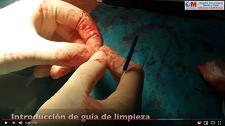
Careful dissection and mobilization of the common carotid artery (CCA), internal carotid artery (ICA), and external carotid artery (ECA) (Fig. 3). Video 1 demonstrates the subadventitial blunt dissection technique for Shamblin type 2 tumors.
Identification and preservation of cranial nerves IX, X, XI, and XII;
Type 1 and 2 tumors: Resected via subadventitial blunt dissection, maintaining integrity of carotid vessels. Bipolar cautery and hemostatic agents were used to control minor bleeding;
Type 3 tumors: Required resection of tumor-adherent carotid segments. An ICA–CCA interposition bypass was performed using a reversed autologous great saphenous vein (GSV) graft. Temporary vascular clamps were used, and systemic heparinization (100IU/kg) was administered before clamping;
All anastomoses were performed in an end-to-end fashion using 7-0 or 6-0 polypropylene suture under loupe magnification.
Neurological monitoring in ICU for 24–48h.
Low-molecular-weight heparin initiated postoperatively, followed by antiplatelet therapy (aspirin 100mg/day).
Cranial nerve function was evaluated daily for 1 week post-surgery and at each follow-up visit.
Follow-up imaging (Doppler and CTA) at 3 months, 1 year, and annually thereafter.
The study protocol was approved by the Institutional Review Board (IRB No. 2023/06/02/033). Written informed consent was obtained from all participants.
All statistical analyses were performed using IBM SPSS Statistics version 25.0 (IBM Corp., Armonk, NY, USA). Continuous variables were expressed as mean±standard deviation (SD) or median interquartile range (IQR) depending on normality, which was assessed using the Shapiro–Wilk test. Categorical variables were reported as frequencies and percentages.
Comparisons between Shamblin type 1–2 and type 3 groups were conducted to evaluate differences in operative time, intraoperative blood loss, and complication rates. Continuous variables were compared using the independent-samples t-test for normally distributed data and the Mann–Whitney U test for non-normally distributed data. Categorical variables were analyzed using Fisher's exact test due to the small sample size. A p-value of <0.05 was considered statistically significant.
In addition, a comparative summary table was created to present perioperative variables across Shamblin groups, including statistical test results (Table 3).
Surgical outcomes and postoperative results.
| Surgical parameter | Value |
|---|---|
| Mean tumor volume | 7.08±4.51cm3 |
| Surgical technique (Type 1 & 2) | Subadventitial blunt dissection |
| Surgical technique (Type 3) | ICA–CCA bypass with saphenous vein |
| Number of bypass procedures | 3 patients (all type 3 tumors) |
| Mean operative time | 75.3±21.2min |
| Mean intraoperative blood loss | 160.5mL |
| Average hospital stay | 5 days |
| Postoperative complications | 1 facial nerve palsy (transient) |
| 1 transient hoarseness | |
| Stroke or mortality | None |
| Graft patency (CT angiography) | Confirmed at 3-year follow-up |
Thirteen patients (9 females [69.2%], 4 males [30.8%]) with a mean age of 58.6 years (range: 41–73 years) were included. The most common presenting symptom was a painless cervical mass (8/13, 61.5%), followed by hoarseness (3/13, 23.1%), cervical pain (3/13, 23.1%), and dysphagia (2/13, 15.4%). Tumor classification per the Shamblin system was: type 1 (n=2, 15.4%), type 2 (n=8, 61.5%), and type 3 (n=3, 23.1%).
Tumor characteristics and surgical strategyThe average tumor volume was 7.08±4.51cm3 (range: 2.3–15.6cm3), with larger volumes correlating with higher Shamblin class (Fig. 4). Type 1 and 2 tumors were excised via subadventitial blunt dissection, preserving the integrity of the carotid vessels. In contrast, all type 3 tumors demonstrated encasement of the internal and/or common carotid artery and necessitated segmental resection followed by ICA–CCA interposition grafting with reversed autologous saphenous vein (Fig. 5).
Transient cranial nerve deficits were observed in three patients (23.1%): two cases of vagus nerve-related hoarseness and one case of hypoglossal nerve paresis. All resolved spontaneously within three months. No cases of wound infection, hematoma, graft thrombosis, or perioperative mortality were recorded. A detailed summary of surgical outcomes and postoperative results is presented in Table 3.
Intraoperative parametersMean operative time was 128.7±29.4minutes, and mean estimated blood loss was 160.5mL (range: 80–400mL). No intraoperative strokes, vascular injuries, or hemodynamic instability were observed. In all three Shamblin type 3 cases, vascular reconstruction was completed without intraoperative complications. A comparison of perioperative metrics across Shamblin classification groups is summarized in Table 4.
Comparison of perioperative outcomes across Shamblin.
| Variable | Shamblin 1–2(n=10) | Shamblin 3(n=3) | p-Value |
|---|---|---|---|
| Operative time (min) | 122.4±25.1 | 151.3±16.7 | 0.041 |
| Blood loss (mL) | 145.0±38.6 | 210.0±52.9 | 0.038 |
| Cranial nerve palsy (%) | 1 (10.0%) | 2 (66.7%) | 0.048 |
| Length of hospital stay (days) | 4.3±1.2 | 5.7±1.5 | 0.089 |
The mean follow-up duration was 60.8 months (range: 24–84 months). Follow-up duplex ultrasonography and CT angiography confirmed 100% patency of all reconstructed vessels (Fig. 6). No tumor recurrences, malignant transformations, or long-term neurological deficits were reported. One patient was incidentally diagnosed with chronic lymphocytic leukemia (CLL) following lymph node biopsy during tumor resection and remains under hematologic follow-up with no systemic progression.
DiscussionCarotid body tumors (CBTs), also known as paragangliomas, are rare, typically benign neoplasms arising from paraganglionic tissue located at the carotid bifurcation. Although histologically benign in most cases, these tumors pose significant surgical challenges due to their rich vascularity and proximity to critical neurovascular structures. The Shamblin classification remains the gold standard in predicting surgical difficulty and potential perioperative morbidity, especially in higher-grade tumors (types 2 and 3). The results of this study align with the conclusions of Jansen et al. (2018), who highlighted the significant role of the Shamblin classification in predicting surgical challenges and complications. Our findings corroborate that Shamblin class 3 tumors necessitate advanced surgical strategies, such as vascular grafting, and carry a higher risk of complications.4
As demonstrated in our study, preoperative imaging is paramount in planning surgical approaches for carotid body tumors. The combination of morphological and functional imaging techniques, as discussed by Guichard et al. (2017), provides vital information for predicting the involvement of critical structures and optimizing surgical outcomes.5
CBTs can be surgically excised using various techniques depending on tumor size and location. For example, Lopez-Sanchez and Munoz-Herrera emphasize the importance of careful dissection in carotid body tumor resections to minimize complications such as vascular injury and nerve damage.6
In our series of 13 patients treated without preoperative embolization, the majority of tumors (61.5%) were Shamblin type 2, reflecting an intermediate surgical challenge. Despite the absence of embolization, no patient experienced life-threatening hemorrhage, and intraoperative blood loss was well-controlled in all cases. In cases classified as Shamblin type 2, careful subadventitial dissection was performed to preserve the internal carotid artery while achieving complete tumor excision (Video 2). This finding aligns with studies that question the routine use of embolization, such as Texakalidis et al. (2019), who found no significant difference in perioperative complications between embolized and non-embolized groups.7
Unlike other studies suggesting routine embolization, particularly in Shamblin type 3 tumors, our cases were safely managed without it by utilizing early vascular control and subadventitial dissection techniques.8,12
While the sample size in our study is limited, the absence of preoperative embolization did not compromise outcomes. On the contrary, it simplified the treatment process, reduced costs, and avoided potential complications such as stroke or embolic phenomena. Future randomized studies are warranted to better define patient subsets that might benefit most from embolization, particularly those with very large, hypervascular tumors or those located near the skull base.8
Vascular reconstruction was necessary in all three patients with Shamblin type 3 tumors due to encasement of the internal or common carotid artery. Reconstruction was performed using autologous saphenous vein grafts, a technique widely supported in the literature for ensuring long-term patency and reducing the risk of infection. Long-term imaging follow-up in our cohort revealed excellent graft durability and patency (Fig. 6), consistent with the results of Sevil et al. (2020), who reported favorable outcomes with vein grafts in high-risk cases.9
Cranial nerve injury remains a concern during CBT resection, particularly in higher Shamblin grades. Our complication was related to injury of the hypoglossal cranial nerve, and the patient exhibited associated symptoms. Our findings align with the study by Gu et al. (2020), who found that malignant carotid body tumors often involve extensive vascular structures, necessitating specialized surgical techniques. The use of vascular reconstruction and nerve preservation methods was critical in both studies to achieve optimal outcomes and prevent complications such as stroke or cranial nerve damage.10
Histopathologically, paragangliomas constituted the majority of cases (76.9%), with a minority being neurilemmomas and mesenchymal tumors. These findings highlight the importance of accurate preoperative imaging and histological confirmation, as different tumor types may mimic paragangliomas clinically and radiologically. Despite the benign nature of most CBTs, the possibility of malignancy, particularly in younger patients or those with genetic predispositions, underscores the importance of long-term surveillance.
A unique aspect of our study is the inclusion of a case with chronic lymphocytic leukemia (CLL), diagnosed incidentally through lymph node biopsy. Although rare, the co-occurrence of CBTs with hematologic malignancies suggests the need for thorough histopathologic evaluation of excised tissues and lymph nodes. The clinical presentation of carotid body tumors can often overlap with other conditions, as demonstrated by Qamar et al. (2020), who reported a case of CBT mimicking Richter's transformation. This case emphasizes the importance of considering CBT in the differential diagnosis, especially in patients presenting with unexplained lymphadenopathy and systemic signs of malignancy.11
While the sample size in our study is limited, the absence of preoperative embolization did not compromise outcomes. On the contrary, it simplified the treatment process, reduced costs, and avoided potential complications such as stroke or embolic phenomena. Future randomized studies are warranted to better define patient subsets that might benefit most from embolization, particularly those with very large, hypervascular tumors or those located near the skull base.
ConclusionSurgical resection of carotid body tumors without preoperative embolization is safe and effective in experienced centers. While Shamblin type 1 and 2 tumors can be successfully excised via subadventitial blunt dissection, type 3 tumors require advanced vascular surgical techniques—most notably, resection of the involved internal and/or common carotid artery segments followed by interposition grafting using an autologous reversed saphenous vein to restore ICA–CCA continuity. This approach ensures secure cerebral perfusion and has demonstrated excellent long-term graft patency and functional recovery. Omitting embolization simplifies the treatment process without compromising long-term outcomes.
LimitationsSmall sample size;
Retrospective design;
Lack of comparative embolization group;
Although the sample size is limited, the study provides detailed surgical insight into high-complexity Shamblin type 3 tumors.
The authors declare that no experiments were performed on humans or animals for this investigation.
Confidentiality of dataThe authors declare that no patient data appears in this article.
Right to privacy and informed consentThe authors declare that no patient data appears in this article.
FundingNo external funding was received for this study.
Conflict of interestThe authors declare no conflict of interest.
The followings are the supplementary data to this article: