




The increasing participation of radiologists in multidisciplinary boards brings about advantages, challenges and specific needs. The aim of this paper is to identify the boards in which radiologists participate and to detect the needs, problems and opportunities that these boards pose for our specialty.
Methods and materialsThe Spanish Society of Medical Radiology (SERAM) conducted an ad-hoc survey that was distributed among members and through social networks. The results were analysed with Stata® v14.2 (StataCorp, Texas, USA).
ResultsBetween 15 November 2022 and 24 December 2022, we received 743 anonymous responses with 93.7% coming from SERAM members (642 radiologists and 101 radiology trainees). Among the specialists, 82.7% regularly participate in one or more boards (92.5% oncology/50.7% non-oncology/43.3% both), which implies two or more meetings per week for 41.6% of the respondents.
Both radiologists who regularly participate in boards and those who do not, are very positive about this aspect of professional activity and agree on its benefits. However, the specialists who do participate, lack enough allocated time and information to prepare cases prior to the meeting. Although attendance is often recorded (69.7%), it is generally not included in the work plan (20.5% of physicians and 30.8% of middle managers, p = 0.028).
Regarding operational functioning, according to 46.9% of respondents there is no record of imaging tests reviewed, and the handling of discrepancies within radiology departments is poor (written recommendations and review sessions are only available to 14.3% and 7.7% of respondents respectively).
ConclusionsThe radiologists surveyed report the high impact of multidisciplinary committees on their workload and clinical decisions. They mention a number of problems, some of which are specific to radiology, which can undermine efficiency and safety. These include work organisation, lack of time and problems of accessibility and the recording of imaging tests and other medical record data.
La creciente participación de los radiólogos en comités multidisciplinares conlleva ventajas, desafíos y necesidades específicas. El objetivo de este trabajo es identificar los comités en los que participan los radiólogos y detectar las necesidades, los problemas y las oportunidades que plantean estos comités a nuestra especialidad.
Material y métodosLa Sociedad Española de Radiología Médica (SERAM) realizó una encuesta ad hoc que fue distribuida entre los socios y a través de las redes sociales. Los resultados se analizaron con Stata® v14.2 (StataCorp, Texas, EE.UU.).
ResultadosEntre el 15/11/2022 y el 24/12/2022 se recibieron 743 respuestas anónimas, el 93,7% procedentes de miembros de la SERAM (642 radiólogos y 101 residentes de radiología). Entre los especialistas, el 82,7% participan regularmente en uno o más comités (92,5% oncológico / 50,7% no oncológico / 43,3% ambos), lo que supone dos o más reuniones por semana para el 41,6% de los encuestados.
Tanto los radiólogos que participan regularmente en comités como los que no lo hacen valoran muy positivamente esta parte de la actividad profesional y coinciden en los beneficios que aporta. Sin embargo, los especialistas que asisten carecen de suficiente tiempo asignado e información para preparar los casos antes de la reunión. Aunque la asistencia a los comités suele registrarse (69,7%), generalmente no se incluye en el plan de trabajo (20,5% de los facultativos vs 30,8% de los mandos intermedios, p = 0,028).
Respecto a la operativa de funcionamiento, según el 46,9% de los encuestados no hay registro de las pruebas de imagen revisadas, y el manejo de las discrepancias dentro de los servicios de radiología es deficiente (solo disponen de recomendaciones escritas y sesiones de revisión el 14,3% y el 7,7% de los encuestados, respectivamente).
ConclusionesLos radiólogos encuestados señalan el alto impacto de los comités multidisciplinares en su carga de trabajo y en las decisiones clínicas. Refieren diversos problemas, algunos específicos de la radiología, que pueden menoscabar la eficiencia y la seguridad. Entre ellos destacan los relacionados con la organización del trabajo, la falta de tiempo y los problemas de accesibilidad y registro de pruebas de imagen y otros datos de la historia clínica.
Tumour boards are multidisciplinary teams that meet to discuss ways of optimising the diagnostic and therapeutic management of individual patients using the best available evidence and the recommendations of current clinical practice guidelines. For decades, these boards have been a routine part of decision-making processes for oncological cases. They have been shown to improve multiple health outcomes including patient survival rates, quality of life, time to diagnosis and treatment, access to clinical trials and the standardisation of treatments.1–3 In addition, tumour boards reduce costs, enable both data collection and the auditing of services, and facilitate access to training and research opportunities.4–6
In recent years, multidisciplinary team (MDT) meetings have also become increasingly common in the management of non-oncological diseases, such as interstitial lung diseases or inflammatory bowel disease, even though evidence of their benefit is still scarce and the guidelines are not unanimous in their recommendations.7–12
The growing complexity involved in diagnostic imaging, along with the development of interventional radiology and the increased involvement of radiologists in clinical decision-making mean that our specialty is experiencing a rapid rise in MDT participation.6,13–15 These MDT meetings are becoming increasingly frequent, complex and specialised which—aside from requiring more time and effort—brings about organisational challenges that need to be adequately addressed.13 While many medical and professional societies have published standards for MDTs and guidance on their implementation, these do not usually address radiologist-specific needs, which differ from those of other specialists. These include the need to be able to review cases prior to meetings, the technical means to be able to show images, and the recording of, and posterior access to, MDT decisions.1,6,16–18 Radiologists agree on what problems need to be addressed, but to date, only the Royal College of Radiologists has established standards for tumour boards, and these are not applicable to our context due to differences in regulations, context and professional culture.19–23
In light of the above, in September 2022 the Professional Affairs Committee of the Spanish Society of Medical Radiology (SERAM) decided to respond to the needs of its members and draw up recommendations on the participation of radiologists in MDTs. The first step was to conduct a survey among Spanish radiologists on the current situation of MDTs and any related needs.
This article will identify which MDTs include radiologists and what needs, problems and opportunities the meetings pose for our specialty.
Materials and methodsSurvey designThis is a descriptive observational survey. In October 2022, two SERAM-appointed radiologists (AV, LC), with input from a group of SERAM members, agreed on an ad hoc questionnaire made up of 37 multiple-choice or open-ended questions on MDT meetings. The pilot version was sent to 21 people (Appendix, Annex 1, Supplementary material).
This questionnaire elicited data on the professional practice of the respondents, who followed one of two paths depending on whether or not they were actively involved in MDTs. Those involved in MDTs answered quantitative and qualitative questions about the meetings, how they were organised and what resources were available to them at their institution. It also included questions on aspects that were specifically relevant to radiology, such as preparation and attendance time, the availability of computer equipment and the handling of discrepancies. Information was also sought on remote meetings, access to and the recording of information (case lists, records of attendance and records of the board’s decision), training, and the needs, obstacles and problems encountered by radiologists when participating in MDTs. Those specialists not involved in MDTs were asked to give their opinion on the roles of radiologists in these teams. The final part of the questionnaire was the same for all participants (regardless of whether or not they were in MDTs) and focused on their perception of the meetings and the training received either concerning or from participating in the teams. Respondents were also given the opportunity to leave additional comments and their email address if they wished to do so. Participants could leave some questions unanswered.
Responses sent by radiology trainees enabled us to gain data on relevant teaching plans as well as the actual training received on or from participation in MDTs.
Given that responses to the survey were on a voluntary basis, no unauthorised health information was collected and all data were handled anonymously, no ethics committee approval was required.
Survey distributionThe questionnaire was hosted on Google Forms (Google LLC®) and targeted diagnostic radiologists and radiology trainees practising in Spain and/or members of SERAM. SERAM emailed the survey to its 6678 members and shared it through its social media channels (Twitter, Facebook, LinkedIn and Instagram), announcing a prize draw of two course registrations for respondents.
Anonymous responses were collected between 15 November and 24 December 2022. The survey was programmed to only allow one-time access. All surveys completed by radiologists and diagnostic radiology trainees within the deadline were included.
Statistical analysisThe data were described using absolute and relative frequencies. For some variables related to organisation, subgroup analyses were carried out according to the different professional categories, grouping radiology specialists on the one hand and middle management on the other. This second group consisted of heads of services and sections. To compare the differences between the different categories of qualitative variables, a bivariate analysis was carried out using the chi-squared test, and Fisher’s exact test for groups with five or fewer people. Associations with a p < 0.05 value were considered statistically significant. Statistical analysis was performed with Stata® version 14.2 (StataCorp, Texas, USA).
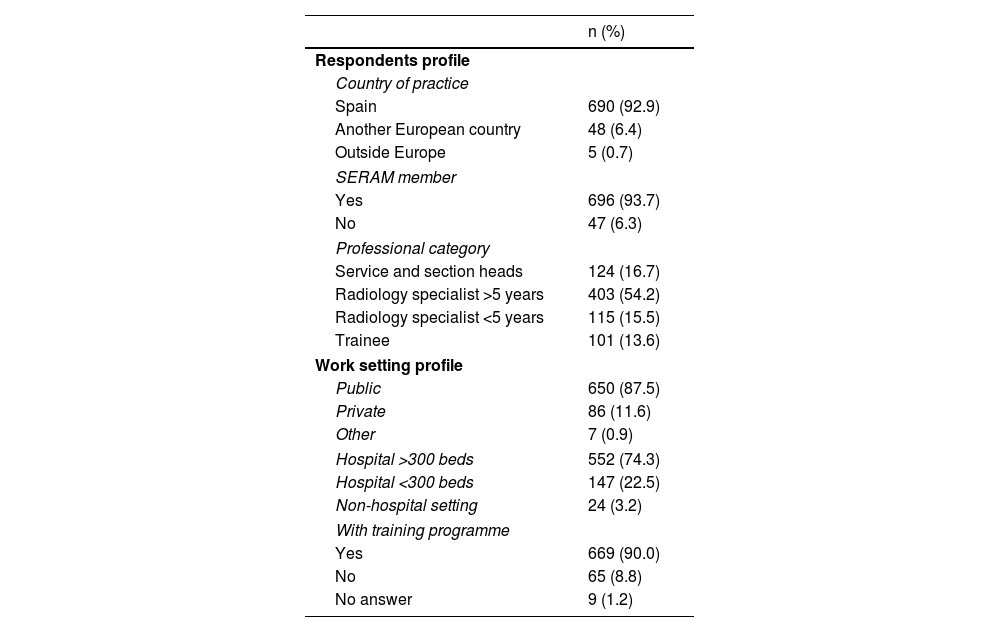
ResultsProfile of the respondentsA total of 749 responses were received, of which six were excluded as the respondents were not specialists or trainees in diagnostic radiology. We analysed the responses of 743 participants: 642 (86.4%) were diagnostic radiology specialists and 101 (13.6%) diagnostic radiology trainees. The profile of the 743 participants included is shown in Table 1. Of these, 690 (92.9%) practise medicine in Spain and 696 (93.7%) are SERAM members. The vast majority of respondents work mainly in the public health service (87.5%), in a hospital setting (96.8%) and in services which have a training programme (90.0%).
Profile of 743 respondents and their work settings.
| n (%) | |
|---|---|
| Respondents profile | |
| Country of practice | |
| Spain | 690 (92.9) |
| Another European country | 48 (6.4) |
| Outside Europe | 5 (0.7) |
| SERAM member | |
| Yes | 696 (93.7) |
| No | 47 (6.3) |
| Professional category | |
| Service and section heads | 124 (16.7) |
| Radiology specialist >5 years | 403 (54.2) |
| Radiology specialist <5 years | 115 (15.5) |
| Trainee | 101 (13.6) |
| Work setting profile | |
| Public | 650 (87.5) |
| Private | 86 (11.6) |
| Other | 7 (0.9) |
| Hospital >300 beds | 552 (74.3) |
| Hospital <300 beds | 147 (22.5) |
| Non-hospital setting | 24 (3.2) |
| With training programme | |
| Yes | 669 (90.0) |
| No | 65 (8.8) |
| No answer | 9 (1.2) |
Of the 642 qualified radiologists surveyed, the majority (62.8%) have more than five years of professional practice, and one fifth (19.3%) are heads of service or section. Among the respondents, 531 (82.7%) regularly participate in MDTs, with no statistically significant differences between professional categories.
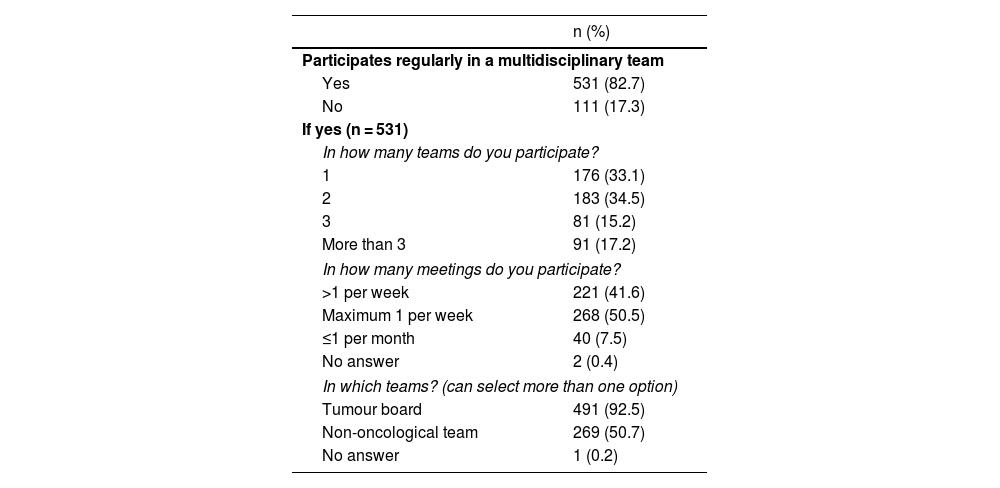
Multidisciplinary teams that include radiologists: type, number and frequency of meetingsOf the 531 radiologists who regularly participate in MDTs, 491 participate in tumour boards and 269 in non-oncological teams (230 respondents participate in both).
Approximately a third of respondents are involved in only one team, another third are involved in two and 32.4% are involved in three or more different teams. This involves attending a high number of meetings (41.6% of respondents attend more than one session per week, Table 2).
Quantitative description of participation in MDTs of 642 respondents that are radiology specialists.
| n (%) | |
|---|---|
| Participates regularly in a multidisciplinary team | |
| Yes | 531 (82.7) |
| No | 111 (17.3) |
| If yes (n = 531) | |
| In how many teams do you participate? | |
| 1 | 176 (33.1) |
| 2 | 183 (34.5) |
| 3 | 81 (15.2) |
| More than 3 | 91 (17.2) |
| In how many meetings do you participate? | |
| >1 per week | 221 (41.6) |
| Maximum 1 per week | 268 (50.5) |
| ≤1 per month | 40 (7.5) |
| No answer | 2 (0.4) |
| In which teams? (can select more than one option) | |
| Tumour board | 491 (92.5) |
| Non-oncological team | 269 (50.7) |
| No answer | 1 (0.2) |
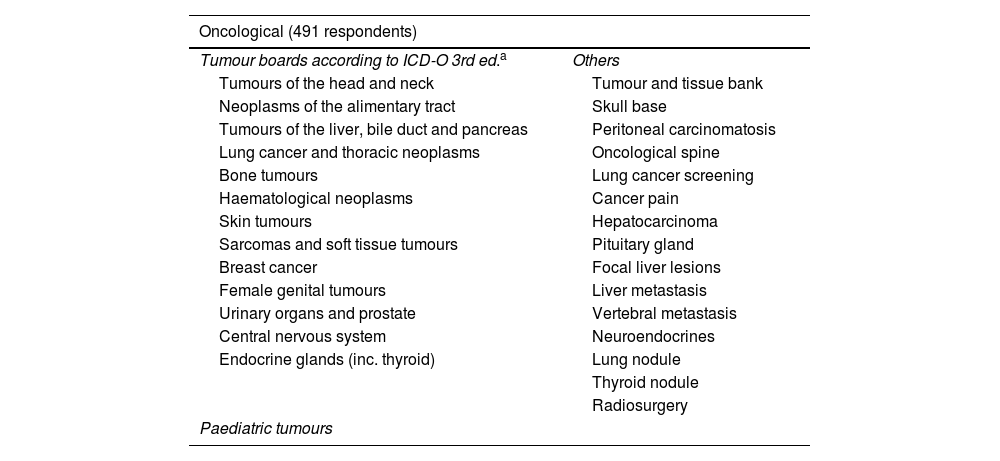
The teams in which they participate are highly varied and cover all oncological pathology, as well as several other clinical problems that require a multidisciplinary approach (Table 3).
Types and content of multidisciplinary meetings in which the responding radiologists attend.
| Oncological (491 respondents) | |
|---|---|
| Tumour boards according to ICD-O 3rd ed.a | Others |
| Tumours of the head and neck | Tumour and tissue bank |
| Neoplasms of the alimentary tract | Skull base |
| Tumours of the liver, bile duct and pancreas | Peritoneal carcinomatosis |
| Lung cancer and thoracic neoplasms | Oncological spine |
| Bone tumours | Lung cancer screening |
| Haematological neoplasms | Cancer pain |
| Skin tumours | Hepatocarcinoma |
| Sarcomas and soft tissue tumours | Pituitary gland |
| Breast cancer | Focal liver lesions |
| Female genital tumours | Liver metastasis |
| Urinary organs and prostate | Vertebral metastasis |
| Central nervous system | Neuroendocrines |
| Endocrine glands (inc. thyroid) | Lung nodule |
| Thyroid nodule | |
| Radiosurgery | |
| Paediatric tumours | |
| Non-oncological (269 respondents) | ||
|---|---|---|
| Paediatric | Digestive | Rheumatology and traumatology |
| Paediatric surgery (incl. heart and liver) | Inflammatory bowel disease | Spondyloarthritis |
| Child abuse | Functional oesophageal and benign oesophageal pathology | Osteoarticular infections |
| Child mortality | Pancreas and acute pancreatitis | Degenerative osteoarticular diseases |
| Kidney and urinary tract | Benign biliary pathology | Knee MDT |
| Neuropaediatrics | Gynaecological | Upper limb |
| Complex liver vascular pathology | Chronic pelvic pain | Spine |
| Liver transplant | Embolisation of miomas | Transplant |
| Paediatric airway | Endometriosis | Liver |
| Fetal medicine | Benign pathology (incl. breast) | Lung |
| Perinatal medicine | Pelvic floor | Kidney (incl. living donor and complicated recipient |
| Congenital anomalies and malformations | Haematological | Paediatric |
| Heart diseases | Coagulopathies | Graft-versus-host disease |
| Childhood bone dysplasias | Thromboembolic diseases | Explants and transplants |
| Skin malformations | Kidney and urinary tract | Emergencies and critical patients |
| Genitourinary malformations | Pulmonology | Polytrauma/severe trauma |
| Vascular malformations | Lung fibrosis | Non-accidental trauma |
| Surgery | Pulmonary hypertension | Emergency |
| Bariatrics | Interstitial lung diseases | Surgical emergencies |
| Cardiac | Lung parenchyma | Vascular and interventional |
| Heptobiliary | Neurology and neurosurgery | Vascular access |
| Thoracic | Sellar and parasellar region | Intracranial aneurysms |
| Peripheral vascular | Demyelinating diseases | Non-vascular head and neck |
| Abdominal wall | Neurodegenerative diseases | Vascular diseases of the liver |
| Cardiovascular pathology | Epilepsy | Diabetic foot |
| Aorta | Neuroimmunology | Others |
| Adult congenital heart disease | Peripheral nerve | Occupational diseases |
| Heart surgery | Neuro-ophthalmology | Rare diseases |
| High blood pressure | Brachial plexus and peripheral nerve | Phakomatosis |
| Cardiac imaging | Movement disorders | Primary hyperparathyroidism |
| Mitral | Vascular (carotid) | Otology |
| TAVI | Vascular (cerebrovascular) | |
Version in Spanish: Spanish Ministry of Health Official publication ID no.: 133-21-.073-9.
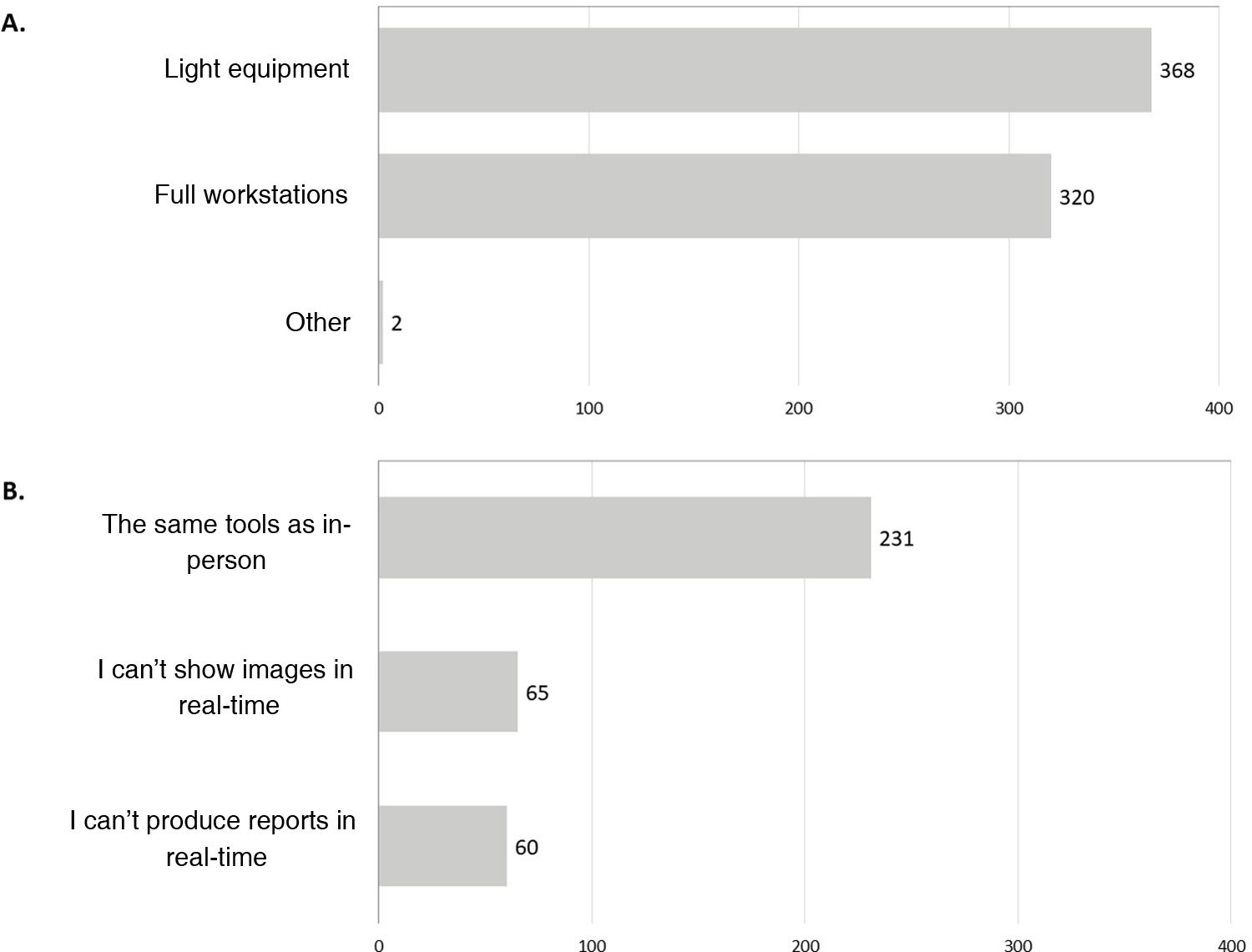
During the MTD meetings, only 320 (60.3%) of the radiologists surveyed have access to a full workstation that provides them with full access to images, the Picture Archiving and Communication System (PACS), the Radiology Information System (RIS), medical records, and the option to generate reports. A total of 368 respondents (69.3%) have access to light equipment that enables them to consult images and reports, but does not give them access to the other functions (Fig. 1).
Remote meetings
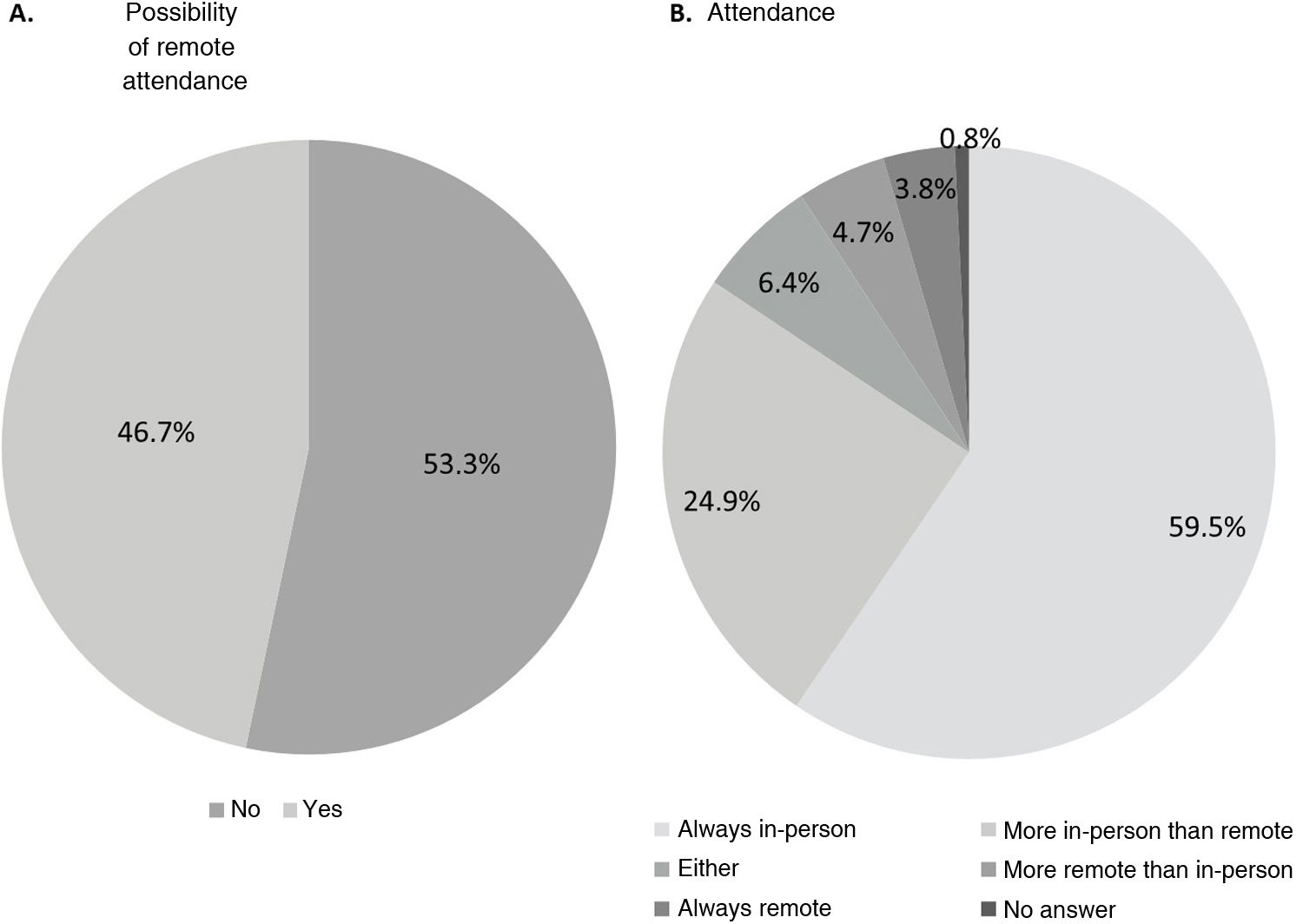
Although almost half of the respondents (46.7%) are able to attend meetings remotely, 59.5% always attend in person, and 24.9% attend more often in person than remotely. Several respondents made the point that they had attended meetings remotely during the COVID-19 pandemic, but that this option is not currently available to them (Fig. 2).

Most respondents attending remote meetings have the same tools available to them as in the in-person meetings, although 65 radiologists said they were unable to display images in real-time during remote meetings (Fig. 1).
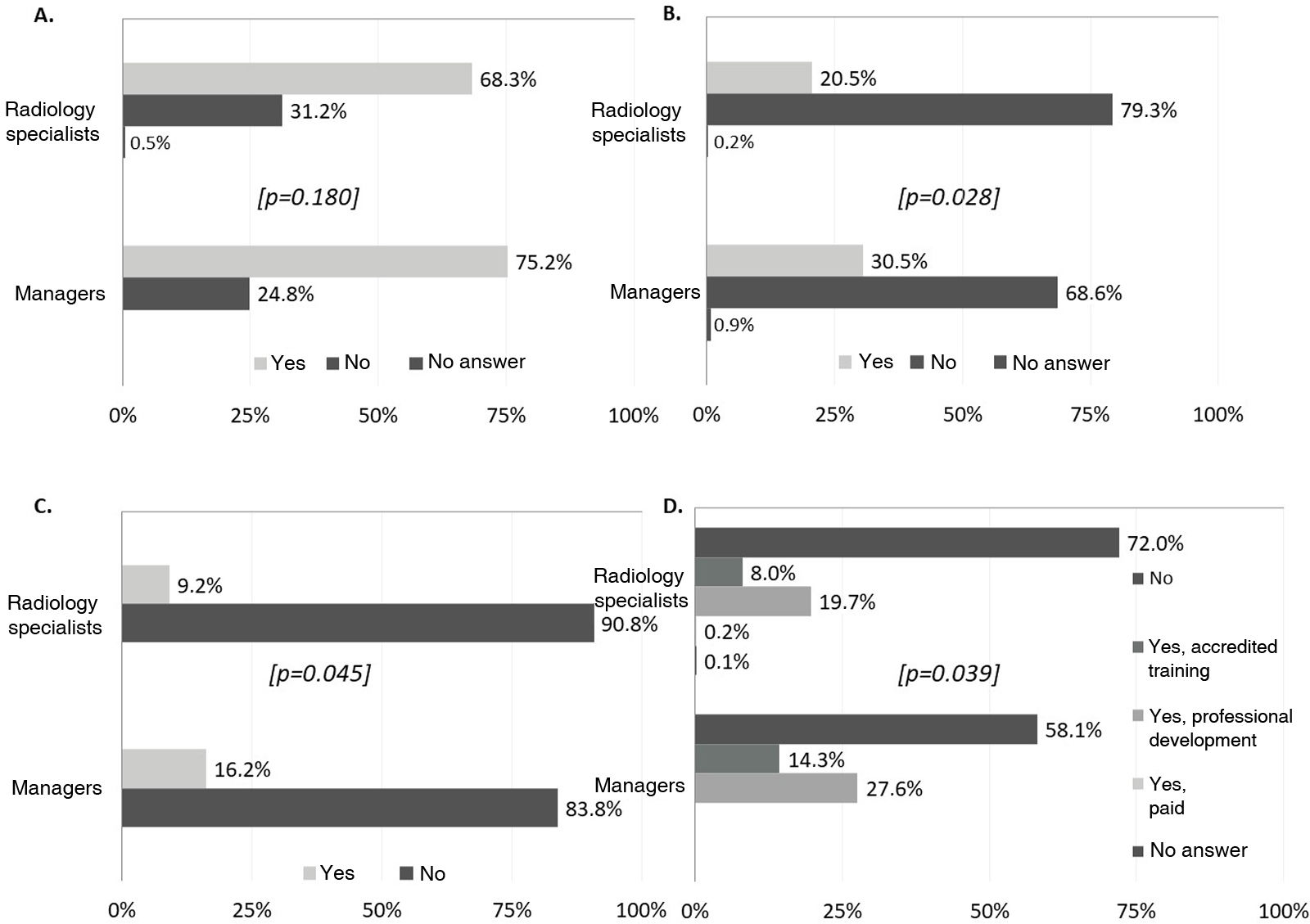
Meeting preparation and attendance timeMost respondents (69.7%) reported that participant attendance is recorded at each MDT meeting, with no statistically significant differences between professional categories. Attendance at the meetings is taken into account when calculating the workload of 20.5% of radiology specialists, compared to 30.5% of heads of service or section (p = 0.028) (Fig. 3).

Recognised hours of participation in the meetings as part of work activity. Results according to the professional category of respondents (specialists vs middle managers) and related p-values. A) Attendance of MDT members at meetings is recorded. B) Attendance at meetings is taken into account when calculating workload. C) Time to prepare cases before meetings is taken into account when calculating workload. D) Time to prepare for and attend meetings is taken into account in another way.
It is even less common for the time spent preparing cases before meetings to be included as part of the respondents’ workload, the figures being 9.2% of the radiology specialists and 16.2% of the heads of services and sections (p = 0.045).
For 69.1% of the respondents, preparation and attendance time for the MDT meetings is not recognised at all. For some respondents, their attendance is considered a professional development activity (21.3%) or hospital-accredited training (9.2%).
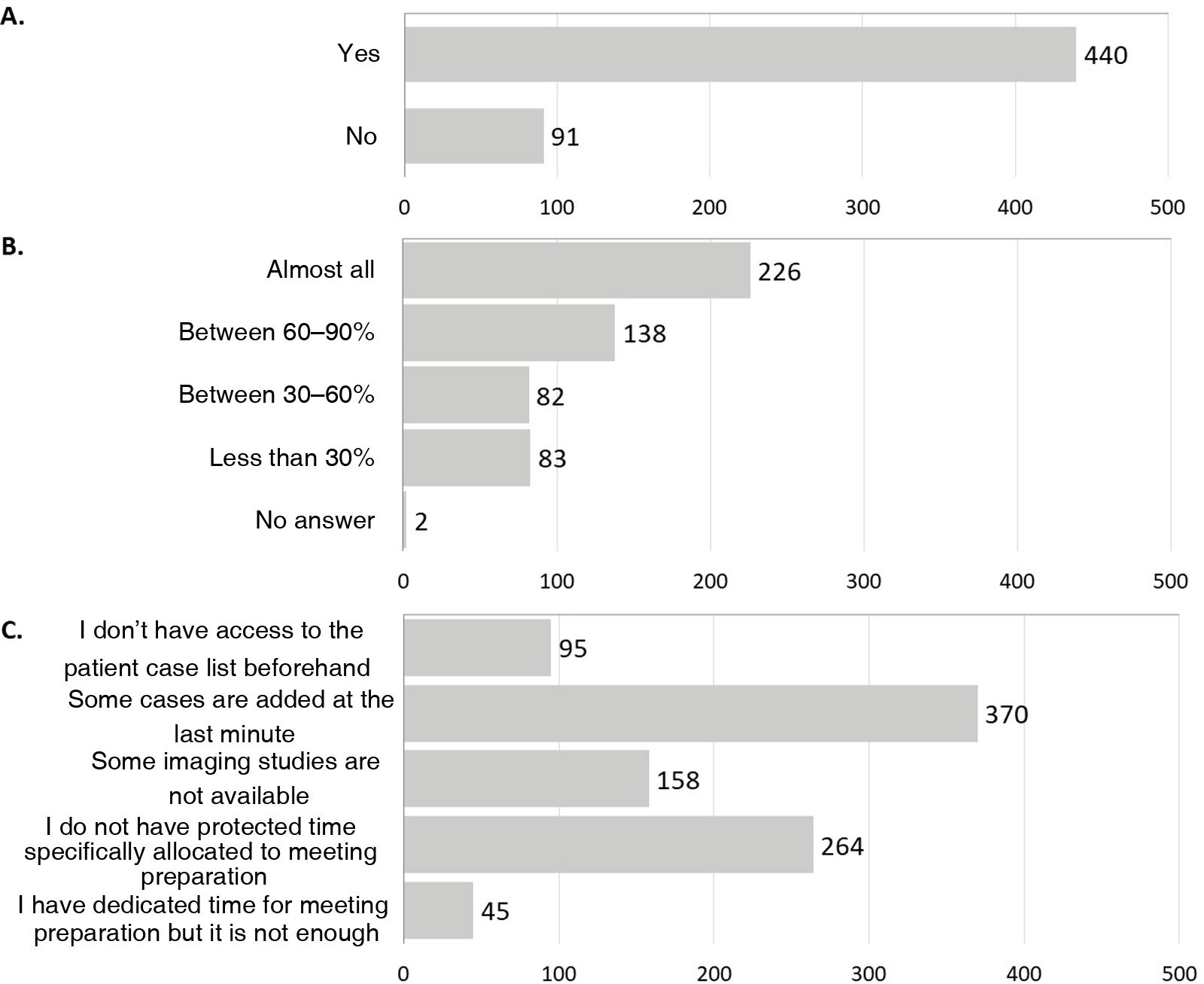
Case preparation before meetingsWhen preparing for MDT meetings, 91 radiologists (17.1%) reported not having a list of the cases up for review prior to the meeting. There is a wide range of responses regarding whether or not radiologists are able to review these case details ahead of meetings: only 42.6% of respondents are given details for almost all cases, and 31.1% are given details in advance for less than 60% of cases (Fig. 4).

Respondents reported a number of problems that prevent them from reviewing all cases: 370 radiologists (69.7%) find that additional cases are admitted at the last minute; 309 (58.2%) have little or no dedicated time to review cases prior to meetings; and 158 (29.8%) find that some imaging studies are not available before the meeting.
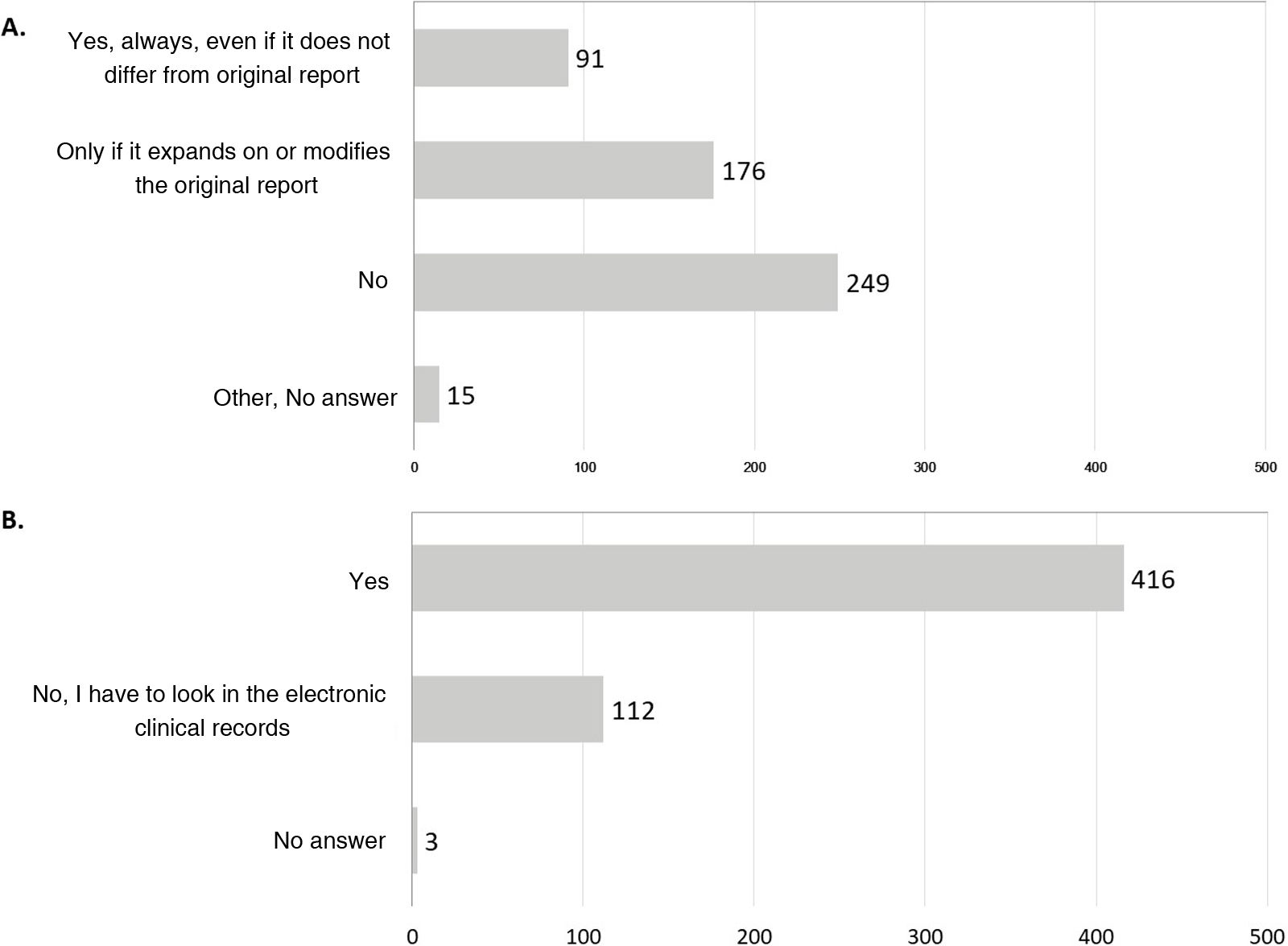
Information recordsAlmost half of the respondents (46.9%) said that no records are kept of the imaging evidence reviewed and discussed in MDT meetings (either on the RIS or in additional reports). Around a third (33.2%) responded that records are only kept if the initial report is expanded or modified, and 17.1% said that records are always kept, even if they do not differ from the initial report (Fig. 5).

Regarding the recording of decisions made in MDT meetings, only 21.1% of respondents can access these through the RIS, while the remaining 78.3% have to search for them through the patient’s electronic records.
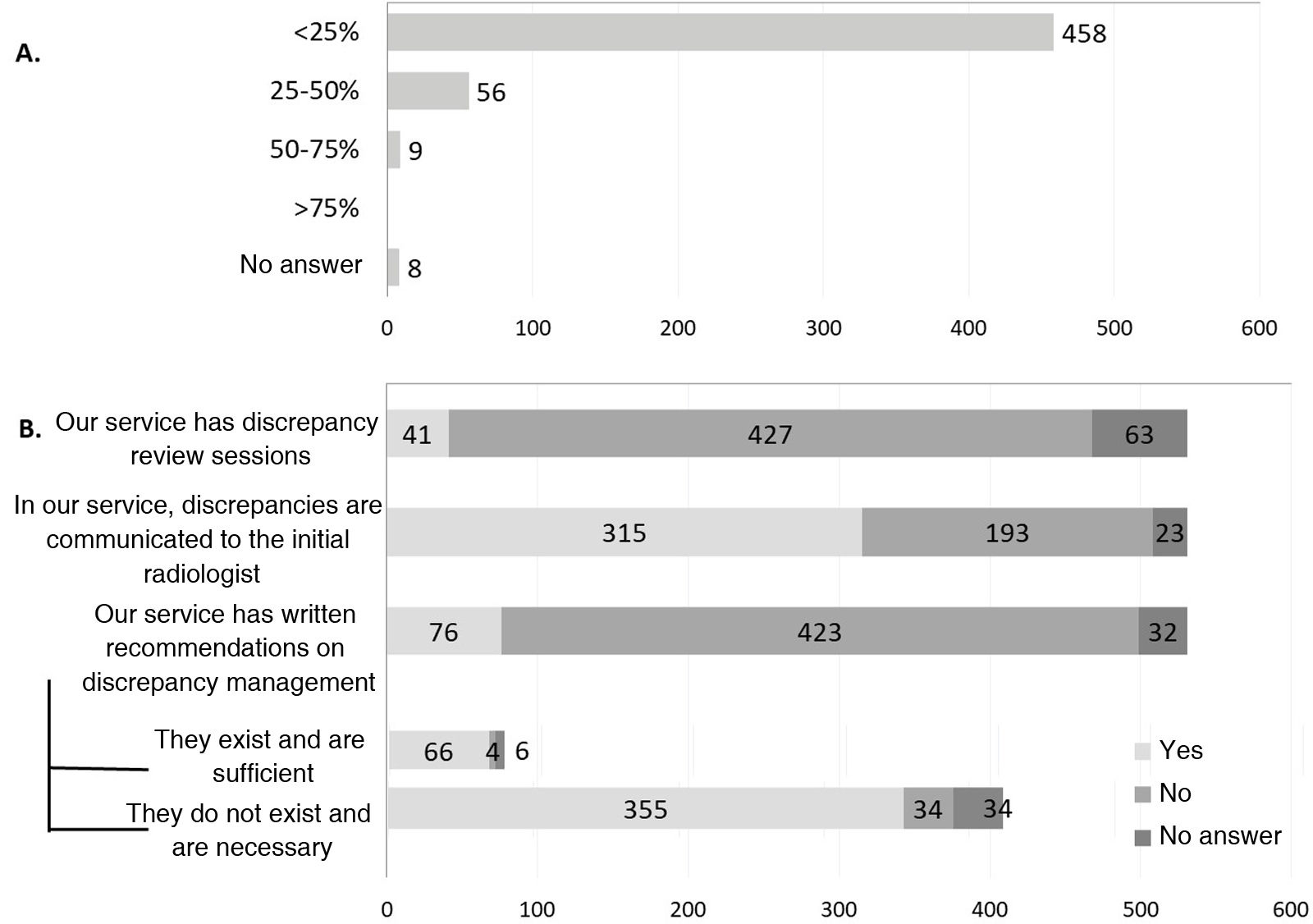
DiscrepanciesAccording to 86.2% of respondents, the opinion of the radiologist attending the meeting differs from the preliminary report in less than 25% of cases. These discrepancies are communicated to the radiologist who produced the original report according to 59.7% of radiology specialists and 71.3% of service and section heads, this difference between categories being statistically significant (p = 0.029) (Fig. 6).

Discrepancies between the original report and the report produced by the radiologists who attended the MDT meeting. A) In what percentage of cases does the opinion of the MDT radiologist differ or expand on the previous report? B) Discrepancy management in radiology services: discrepancy review sessions, communication with radiologist who produced the original report, recommendations.
Concerning the management of these discrepancies in radiology services, 7.7% of respondents reported that discrepancy review sessions are organised and 14.3% of respondents reported that this is recommended in their service (where they exist, 86.8% of respondents deem the recommendations to be sufficient). Our survey found that radiology services do not usually give recommendations for actions related to discrepancies, yet 83.9% of respondents who are working without such recommendations in their service consider them to be necessary.
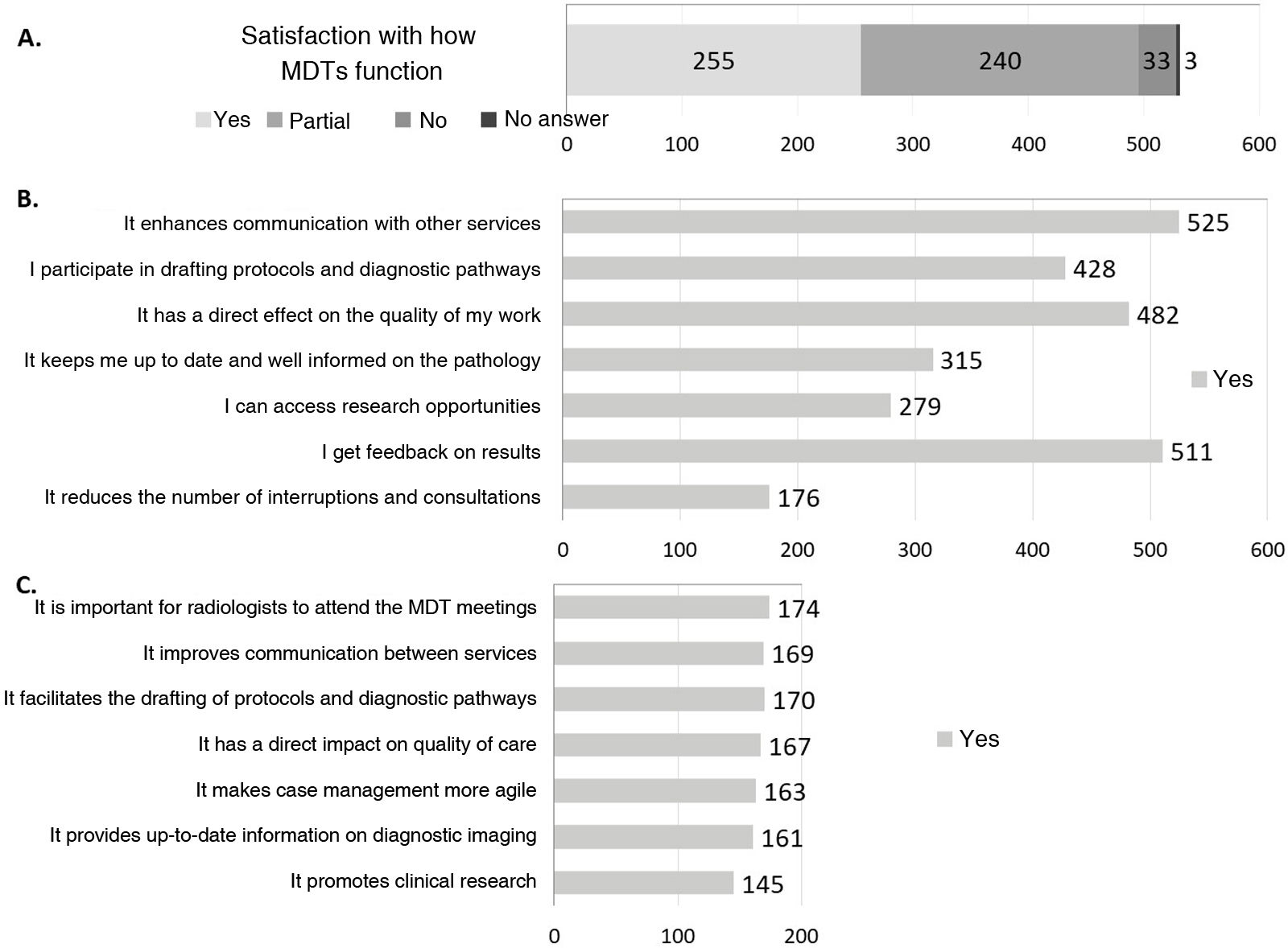
Perception and satisfactionA total of 99.1% of radiology specialists who are not in an MDT (n = 111) believe that it is important for radiologists to participate in them. A total of 93.2% of radiology specialists who are in an MDT are satisfied, or at least partially satisfied, with how they function (Fig. 7).

Opinions on MDT meetings, multiple choice questions. Degree of satisfaction with their functioning (A) and advantages of participating (B) according to specialists who regularly attend (n = 531). (C) Importance and advantages of attending the meetings for radiologists according to specialists and trainees who do not regularly attend (n = 174).
Regarding the benefits of participation for radiology specialists and trainees, the respondents—regardless of whether or not they are in an MDT—were almost unanimous in their view that it improves communication with other departments, has an impact on the quality of care and keeps radiologists up to date and informed about how pathologies are managed.
The meetings were better perceived by non-attending respondents. A total of 97.3% of these consider that the attendance of radiologists facilitates the development of hospital protocols and diagnostic pathways. This opinion is shared by 92.1% of service or section heads and by 81.5% of specialists who attend the meetings, this difference being statistically significant (p = 0.010). Furthermore, while 82.9% of respondents who do not participate in the meetings believe that these boards promote clinical research, only 52.5% of attending radiologists have found they led to research opportunities. Finally, 93.7% of non-participating respondents consider that having radiologists at the meetings speeds up case management, but only 33.1% of those who attend reported that it reduces the number of interruptions and consultations they receive during their working day.
Need for a SERAM documentA total of 94.5% of respondents considered it necessary for SERAM to produce a document with recommendations on how MDT meetings should function, and 23.1% were interested in helping draft it.
Many respondents added voluntary comments focusing mainly on three aspects: a) the growing gap between the importance of this part of our professional activity and the recognition it receives from management; b) the need to include preparation and attendance time for the meetings when planning section workloads; and c) the importance of providing MDT training for radiology specialists and trainees.
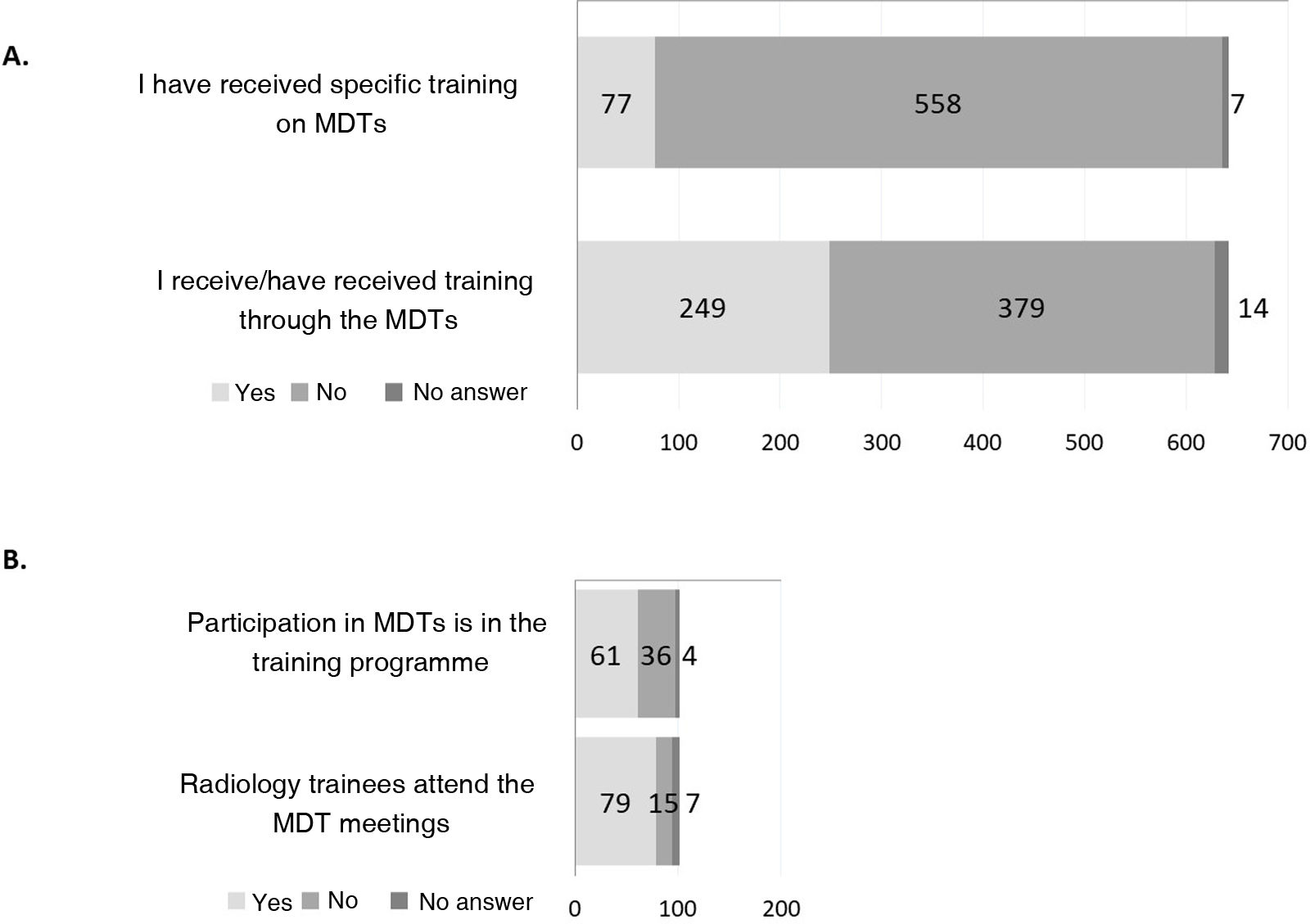
TrainingAlthough 90.1% of non-participating radiologists considered that the meetings provide up-to-date training on diagnostic imaging, only 39.4% of attending radiologists report having received training through these meetings, and the percentage of radiologists surveyed who have received specific training on MDT work is even lower (12%) (Fig. 8).

Concerning specialty training, two thirds of radiologists (64.3%) reported that the radiology trainees at their centre attend the MDT meetings, although only 41.6% confirm that participation in the meetings is included in the radiology specialty training programme. A total of 36.6% of the radiology trainee respondents stated that they participate in the meetings. While only 13.5% of participants have had specific training on the meetings, 40.5% state they have received training from attending.
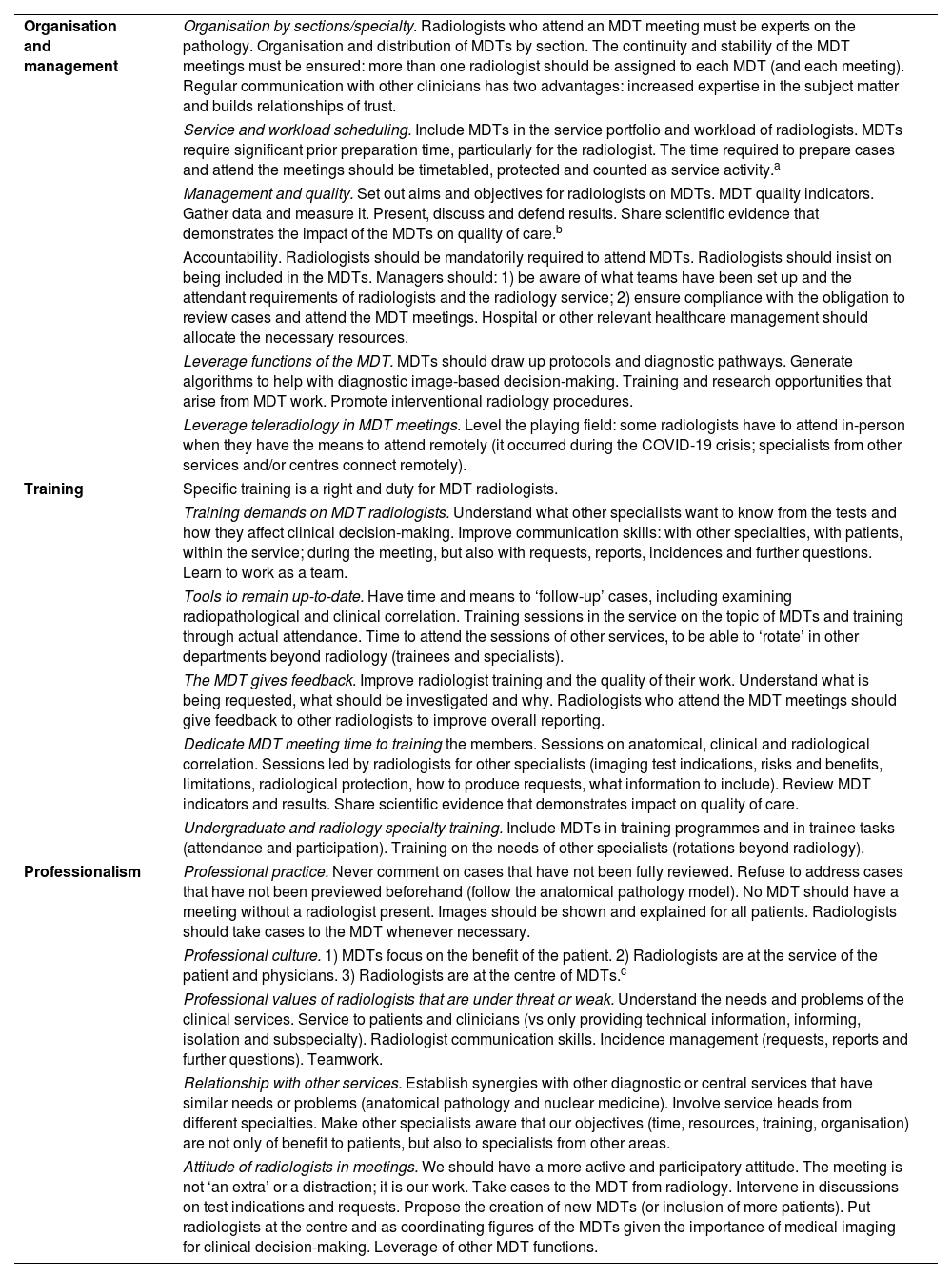
Areas for improvement in multidisciplinary team meetingsAttending radiologists think that the following aspects should be improved: 96.6% mention working conditions (time to prepare for and attend the meetings, recognition, pay); 49.7% mention technical means (room, computers, connections, projection equipment); 46.5% comment on organisational aspects (timetabling and length of meetings), 38.2% mention the ability to prepare for meetings (availability of case lists and images) and 34.1% comment on technological and IT support. Respondents also proposed some measures that could be implemented by radiologists and radiology services to improve the way the meetings function (Table 4).
Suggestions made to radiology services with a view to improving MDT meetings (open question response). The most repeated responses are shown, either transcribed word-for-word or summarised, and grouped to facilitate understanding.
| Organisation and management | Organisation by sections/specialty. Radiologists who attend an MDT meeting must be experts on the pathology. Organisation and distribution of MDTs by section. The continuity and stability of the MDT meetings must be ensured: more than one radiologist should be assigned to each MDT (and each meeting). Regular communication with other clinicians has two advantages: increased expertise in the subject matter and builds relationships of trust. |
| Service and workload scheduling. Include MDTs in the service portfolio and workload of radiologists. MDTs require significant prior preparation time, particularly for the radiologist. The time required to prepare cases and attend the meetings should be timetabled, protected and counted as service activity.a | |
| Management and quality. Set out aims and objectives for radiologists on MDTs. MDT quality indicators. Gather data and measure it. Present, discuss and defend results. Share scientific evidence that demonstrates the impact of the MDTs on quality of care.b | |
| Accountability. Radiologists should be mandatorily required to attend MDTs. Radiologists should insist on being included in the MDTs. Managers should: 1) be aware of what teams have been set up and the attendant requirements of radiologists and the radiology service; 2) ensure compliance with the obligation to review cases and attend the MDT meetings. Hospital or other relevant healthcare management should allocate the necessary resources. | |
| Leverage functions of the MDT. MDTs should draw up protocols and diagnostic pathways. Generate algorithms to help with diagnostic image-based decision-making. Training and research opportunities that arise from MDT work. Promote interventional radiology procedures. | |
| Leverage teleradiology in MDT meetings. Level the playing field: some radiologists have to attend in-person when they have the means to attend remotely (it occurred during the COVID-19 crisis; specialists from other services and/or centres connect remotely). | |
| Training | Specific training is a right and duty for MDT radiologists. |
| Training demands on MDT radiologists. Understand what other specialists want to know from the tests and how they affect clinical decision-making. Improve communication skills: with other specialties, with patients, within the service; during the meeting, but also with requests, reports, incidences and further questions. Learn to work as a team. | |
| Tools to remain up-to-date. Have time and means to ‘follow-up’ cases, including examining radiopathological and clinical correlation. Training sessions in the service on the topic of MDTs and training through actual attendance. Time to attend the sessions of other services, to be able to ‘rotate’ in other departments beyond radiology (trainees and specialists). | |
| The MDT gives feedback. Improve radiologist training and the quality of their work. Understand what is being requested, what should be investigated and why. Radiologists who attend the MDT meetings should give feedback to other radiologists to improve overall reporting. | |
| Dedicate MDT meeting time to training the members. Sessions on anatomical, clinical and radiological correlation. Sessions led by radiologists for other specialists (imaging test indications, risks and benefits, limitations, radiological protection, how to produce requests, what information to include). Review MDT indicators and results. Share scientific evidence that demonstrates impact on quality of care. | |
| Undergraduate and radiology specialty training. Include MDTs in training programmes and in trainee tasks (attendance and participation). Training on the needs of other specialists (rotations beyond radiology). | |
| Professionalism | Professional practice. Never comment on cases that have not been fully reviewed. Refuse to address cases that have not been previewed beforehand (follow the anatomical pathology model). No MDT should have a meeting without a radiologist present. Images should be shown and explained for all patients. Radiologists should take cases to the MDT whenever necessary. |
| Professional culture. 1) MDTs focus on the benefit of the patient. 2) Radiologists are at the service of the patient and physicians. 3) Radiologists are at the centre of MDTs.c | |
| Professional values of radiologists that are under threat or weak. Understand the needs and problems of the clinical services. Service to patients and clinicians (vs only providing technical information, informing, isolation and subspecialty). Radiologist communication skills. Incidence management (requests, reports and further questions). Teamwork. | |
| Relationship with other services. Establish synergies with other diagnostic or central services that have similar needs or problems (anatomical pathology and nuclear medicine). Involve service heads from different specialties. Make other specialists aware that our objectives (time, resources, training, organisation) are not only of benefit to patients, but also to specialists from other areas. | |
| Attitude of radiologists in meetings. We should have a more active and participatory attitude. The meeting is not ‘an extra’ or a distraction; it is our work. Take cases to the MDT from radiology. Intervene in discussions on test indications and requests. Propose the creation of new MDTs (or inclusion of more patients). Put radiologists at the centre and as coordinating figures of the MDTs given the importance of medical imaging for clinical decision-making. Leverage of other MDT functions. | |
Some respondents proposed two complementary or alternative ways of compensating for MDT activity: 1) keep personal accounts of hours spent reviewing cases for other centres and time dedicated to preparing cases or attending meetings outside normal working hours. 2) Compensate participation in MDT meetings with specific and funded training time.
This first survey of Spanish radiology specialists and trainees on MDT meetings reveals that the workload involved for the meetings is high, especially given that two thirds of respondents participate in more than one MDT and a third go to several meetings each week. Respondents consider this activity to be highly important and they all believe it brings benefits for patients, professionals and medical institutions. With regard to tumour boards, these are considered benchmark MDTs due to their demonstrated impact on results, and are thus required by clinical practice guidelines.1–6,16,24 For non-oncological cases, MDTs are becoming increasingly common and several professional societies are publishing their recommendations in this respect.19–22
Putting to one side the workloads involved and the demonstrated impact of team meetings, respondents described a series of problems affecting meetings, principally in the following three areas: a) organisation of the services and workloads; b) technical and human resources assigned to the MDTs; and c) access to and recording of clinical information. The results of our survey are in line with those of other previously published surveys on MDTs,19,20,25–27 however, our survey has more respondents, includes non-oncological teams, and addresses problems and requirements that are specific to radiologists including case presentation, the recording of information, and access to this information through the RIS.
The biggest hurdle mentioned by the interviewed radiologists was the lack of dedicated time allocated to attendance at meetings as this is only taken into account when calculating the workload of a minority of respondents (20.5% of radiology specialists and 30.8% of middle managers). This problem has been widely reported in the literature, prompting several scientific and professional organisations, as well as international organisations and agencies, to advocate to administrations and health directorates for the consideration of tumour boards when assigning resources and to ensure their inclusion in health policy.3,6,19–21,28–32 In our area, the European Society of Radiology (ESR) has warned that radiologists are facing increased workloads caused by the increasingly pivotal role of imaging in the diagnosis and treatment of many diseases. The ESR considers this increasing participation of radiologists in multidisciplinary patient management and clinical decision-making to be positive overall and has issued calls to meet this growing need.13,15,33 The poor workload management for Spanish radiologists participating in MDTs is not a technical issue as 69.9% of respondents confirm that attendance is recorded at each meeting. This problem might instead be caused at least partially by inadequate job descriptions at public administration level in Spain as unlike in other healthcare systems, these do not include detailed descriptions of tasks and time allocations.34,35
When participating in MDTs, diagnostic specialties such as radiology, nuclear medicine and anatomical pathology, require the prior review and preparation of cases.19,21,36 While these tasks normally require more time than the meeting itself, they are only accounted for in the case of 9.2% of the radiology specialists and 16.2% of the heads of service and section surveyed. In addition to the allocation of dedicated time, radiologists also need to have the list of cases to be discussed and access to the patients’ clinical data and images prior to the meeting. Our survey found that more than half of the respondents did not have access to the complete patient list before the meeting, and more than two thirds reported more cases being admitted at the last minute. Furthermore, only two thirds of radiologists have access to all imaging studies ahead of meetings. The following comments were left in the optional comment section: it would be useful to know why a case is being presented to the MDT; radiologists should refuse to comment on any cases for which images have not be previewed; section organisation implies integrating MDTs into workloads etc. Several respondents also said that managers should be responsible for clearly assigning MDT preparation and attendance tasks, including them in timetables and insisting on compliance.
It is interesting to note that access to the patient case list and case details before meetings is not even mentioned in many clinical guides on tumour boards or in the recommendations on MDT meetings drawn up by professional societies. This could be due to the fact that while these aspects are essential for radiologists, they are less important to other specialties. It is also likely that radiologists are underrepresented in the groups that produce these documents.1,17,18,31,37–39
It is probably for the same reasons that the needs and problems specific to diagnostic imaging, particularly in terms of the flow and management of clinical information (principally recording and access), are not addressed in the guides and recommendations that set standards for the hospital information systems (HIS) used by tumour boards.1,6,31,32,37 Integration of the HIS, RIS and PACS varies significantly, posing additional challenges for radiology and nuclear medicine specialists.19,28,36 While all guidelines insist that any MDT decisions are recorded in the patient’s electronic records,32 more than three quarters of respondents cannot access said records through PACS or RIS. Moreover, respondents claim that electronic records or additional reports are rarely produced or edited to include tests reviewed by the MDT. There are several consequences of this lack of documentation, including: a) the impossibility to quantify this activity generating an apparent lack of productivity by radiologists; b) the implied loss of a quality filter from no second reading, and c) the inability to develop discrepancy management systems which can identify and implement improvement measures by developing training plans and promoting specialisation and tailored professional development. This final point will become more relevant in coming years due to regulatory calls for periodic skills recertification.40,41
The radiologist chosen to review the imaging study is selected due to their expertise in the relevant pathology and often has more clinical knowledge on the case than the radiologist who produced the original report. According to the literature, this second reading leads to discrepancies in between 33 and 57% of cases,42–47 often affecting patient management significantly. The percentage of discrepancies reported by the respondents is lower, and this difference can be caused by how the term ‘discrepancy’ is defined and other cultural and professional factors. It is important to remember that discrepancies between reports does not necessarily mean that errors or negligence have taken place, and recording discrepancies is not intended as recrimination. Rather, the goal is to increase safety for patients and professionals.48,49 This is another factor where the needs of radiologists have not been considered.
This survey has some limitations. First, 743 responses equates to some 11% of SERAM members. However, this was a voluntary survey and no sampling or any calculation of sample size was carried out. There is likely a bias of self-selection with radiologists who participate in MDTs and/or those who have strong opinions on the topic being overrepresented. Due to the same bias, there may be an overrepresentation of some professional settings where MDTs have been more common. The second limitation refers to the comparisons made between specialists and managers, which are of limited value due to the same self-selection bias and the small number of managers among the respondents. The aim of this survey is not to compare the situation between these two groups, but rather to discover the needs of our specialists who, on the basis of our results, are unsatisfied.
Finally, the most significant limitation comes from addressing oncological and non-oncological teams together. Tumour boards have been standard in cancer treatment for decades and are considered essential in the management of cancer patients thanks to evidence of their positive impact on patient and healthcare organisation results. Non-oncological MDTs are growing at a faster rate than is the evidence to support them, and frequently without the necessary allocation of resources. They are positively perceived by radiological societies due to their potential benefits for professionals and patients.1–3,13,21,33 For the aims of this survey (to discover the current situation and needs of radiologists) we considered it pragmatic to group them together.
ConclusionsThe participation of radiologists in MDT meetings has a significant impact on their workload and on clinical decision-making for patients. And yet, respondents report not being given dedicated time to prepare for and attend these meetings. They also report several other problems that can impact effectiveness and safety. Some of these aspects are specific to diagnostic imaging and yet they are not mentioned in the guidelines of professional societies. Respondents deemed it necessary that SERAM drafts recommendations for the functioning of MDT meetings.
FundingThis research has not received funding support from public sector agencies, the business sector or any non-profit organisations.
Author contributions- 1.
Research coordinators: AVJ.
- 2.
Study concept: AVJ, LCA.
- 3.
Study design: AVJ, LCA, CGV.
- 4.
Data collection: AVJ, LCA, PPP.
- 5.
Data analysis and interpretation: AVJ, PPP.
- 6.
Data processing: PPP.
- 7.
Literature search: AVJ, LCA.
- 8.
Drafting of article: AVJ.
- 9.
Critical review of the manuscript with intellectually relevant contributions: AVJ, PPP, LCA, CGV.
- 10.
Approval of the final version: AVJ, PPP, LCA, CGV.
The authors declare there are no conflicts of interest.
The following is Supplementary data to this article:




