


Drawing on dynamic capability theory, this study examines how AI-driven circular transformation (AIT) and social entrepreneurship orientation (SEO) contribute to sustainable entrepreneurial success (SES). This study further investigates the mediating role of knowledge integration (KNI) and the moderating effect of digital capabilities (DIC) in these relationships. Data were collected from 442 top-level managers working in high-tech manufacturing industries in Guangdong Province, China, and were analyzed using partial least squares structural equation modeling. The empirical findings suggest that both AI-driven circular transformation and SEO have a positive influence on SES. Moreover, KNI is found to significantly mediate the relationships between AI-driven circular transformation, SEO, and SES. Additionally, DIC positively moderate the relationship between KNI and SES. Furthermore, this study offers implications for managers and policymakers seeking to promote sustainable entrepreneurship. The results highlight the importance of integrating AI-enabled circular practices with socially oriented entrepreneurial strategies to enhance long-term entrepreneurial outcomes. Finally, the results suggest that investments in DIC and effective KNI mechanisms can strengthen firms’ dynamic capabilities, thereby supporting sustainability-oriented innovation and entrepreneurial success.
The world economy is at a pivotal point, facing increasingly significant and unmanageable demands related to climate change, the depletion of natural resources, and social inequalities (Zhang et al., 2024). The concept of the circular economy (CE) has been proposed as a response to such challenges, a possible alternative to the traditional linear model defined by the extract, produce, and discard paradigm (Castro-Lopez et al., 2024; De Angelis & Ianulardo, 2024; Henry et al., 2023; Palombi et al., 2024). The CE is essentially a regenerative system aimed at reducing waste, extending the product’s life, and restoring natural ecosystems (Schultz et al., 2025). Although the overall positive changes in the environment and economy resulting from a shift to circularity are undeniable, the process is complex in many respects, particularly for social entrepreneurs, who are historically seen as initiators of sustainable transformation (Zeyen et al., 2025). These entrepreneurs have a two-fold goal in mind: to create social and environmental value while being financially viable, and to naturally align with the principles of a CE. However, sustained success requires more than good intentions and a re-strategizing of the venture’s organization and management vision (Del Vecchio et al., 2021; Kamaludin et al., 2024).
The concept of social entrepreneurial orientation (SEO) often supports this strategic change, which involves an organizational approach that delivers innovation, encourages active risk-taking, and fosters behavior in pursuit of a social mission grounded in strong ethics and a responsible environmental approach (Gali et al., 2020). Social entrepreneurial orientation outlines the interest and motivation of social entrepreneurs to practice circularity (Kraus et al., 2017). However, in an era of rapid technological change, strategic orientation alone is insufficient for managing dynamic business environments and must be complemented by adaptive digital capabilities (do Adro et al., 2021).
It has become a new stage in the industry’s evolution, as artificial intelligence (AI), machine learning, and big data analytics technologies increasingly become significant in optimizing resource flow (Climent et al., 2024; Nguyen et al., 2023). It highlights the need to maintain the development of product-as-a-service and supply chain visibility (Junaid et al., 2024). This is a digital attribute that offers opportunities and introduces a new level of complexity, as social entrepreneurs must balance their mission-oriented objectives with the tactical application of sophisticated digital tools (Bickley et al., 2025). The connection between resilient SEO and the technological possibilities of AI-based circularity has enormous potential in driving sustainability goals (Hwang et al., 2025). Nonetheless, a certain gap exists between such a prospect and sustainable entrepreneurial success (SES). Knowledge integration (KNI) and digital capabilities (DIC) are the most important facilitators that can help bridge this gap. The capacity to integrate, interpret, and utilize diverse forms of knowledge within the company and its external environment is termed as KNI and is a foundation of innovation in the CE (Sondhi et al., 2024). Socially, it is also associated with integrating technical knowledge of materials and manufacturing. This is combined with market and community-specific knowledge to develop feasible and inclusive circular solutions (Ullah et al., 2024). Simultaneously, DIC can be defined as the ability to effectively mobilize and utilize digital tools. This is determined by how well an organization leverages AI and other Industry 4.0 technologies to implement its circular strategies (Aghazadeh et al., 2024). In the absence of powerful digital solutions, AI remains a potential that is yet to be fully realized. Without meaningful KNI, even the most advanced technologies can become misguided or underutilized (Mele et al., 2024; Proksch et al., 2024).
Literature has identified several significant gaps that are discussed in this study. Existing studies on social entrepreneurship orientation (SEO) have mainly focused on the antecedents of the concept, including its influence on social performance (Gali et al., 2020; Ghisellini et al., 2024; Loukopoulos et al., 2024; Pinheiro et al., 2021). However, the role of SEO in facilitating technology-enabled environmental transformations, such as the CE, remains underexplored (Arroyabe et al., 2024; Hwang et al., 2025). Simultaneously, the areas of AI and the CE studies have experienced a surge in research, although a significant portion is still viewed through the prism of technology (Danish & Senjyu, 2023; Ronaghi, 2022; Suchek et al., 2022). They are largely based on large corporations and pay insufficient attention to the unique realities of social enterprises, including their missions, limitations, and opportunities for innovation. Although dynamic capabilities and green absorptive capacity are well-established in strategic management research (Chen et al., 2015; Mazon et al., 2023), few studies have examined how KNI mediates the link between SEO and sustainable success in a circular setting (Hwang et al., 2025; Le et al., 2024; Ul-Durar et al., 2023).
DIC are often simplified in the literature, treated as a binary technological feature rather than as a multidimensional capacity that encompasses technical competence, digital leadership, and a data-informed organizational culture (Khin & Ho, 2019). This narrow view overlooks how DIC enable the effective application of AI to advance circular transformation strategies. Moreover, the interaction between KNI and DIC, and the way these mechanisms jointly enable social entrepreneurs to translate their orientation into circular innovation, remains largely unexplored. The majority of recent research on digital transformation and circularity focuses on large, profit-driven companies (Arroyabe et al., 2024). Consequently, the perceptions and experiences of social enterprises operating in developing economies or working with marginalized groups are underrepresented. This asymmetry restricts the generalizability of current frameworks and places policymakers and practitioners in a position of limited evidence-based information specific to the same actors to for sustainable change on the ground.
This study makes several significant contributions to theory and practice. Theoretically, it develops and tests an integrated framework that connects SEO with SES through the mediating mechanism of KNI and the moderating influence of DIC, all within the context of an AI-driven circular transformation. This responds to calls for more multi-level and process-oriented studies in both entrepreneurship and sustainability research (Khakbazan et al., 2025; Ojong, 2025; Sun et al., 2022). It enriches the SEO literature by explicating its role in a high-tech environmental context and advances the CE literature by introducing the critical human and organizational factors of SEO and KNI. Thus, it moves beyond a purely technological or economic discourse. Consequently, this study addresses the following research questions.
RQ1: What is the influence of AI-driven circular transformation and SEO on SES?
RQ2: Does KNI mediate the relationships between AI-driven circular transformation and SEO on SES?
RQ3: Do DIC moderate the relationship between KNI and SES?
Similarly, this study presents practical implications to social entrepreneurs, policy implementers, and proponents of ecosystems. The findings can be used by entrepreneurs as an analytical tool to assess the strengths and weaknesses of their organizations within the framework of KNI and DIC. This provides a clear roadmap for strategic investment and capability development. Social entrepreneurs learn to more effectively integrate their social agenda with their digital strategy to realize the value of cyclical design. For policymakers, the study highlights key areas that require intervention, such as funding upskilling programs in digital infrastructure to support data literacy among social leaders, as well as platforms that facilitate knowledge exchange between technology companies and social businesses. By elucidating the mechanisms underlying successful outcomes, this study supports more effective resource allocation and helps accelerate an inclusive and equitable transition to a CE.
The remainder of this paper is organized as follows: Section 2 presents a detailed literature review and introduces the conceptual framework and hypotheses. Section 3 describes the research methodology. Section 4 interprets the results, and Sections 5 and 6 discuss and propose ways to make the world more sustainable in the future.
Theory and hypotheses developmentThe theoretical basis of this study is the dynamic capabilities theory (DCT), which offers an effective approach to understanding how social enterprises develop and maintain a competitive advantage (Kapoor & Aggarwal, 2021). This study reinvents it as a SES in the dynamic and uncertain landscape of the CE. According to DCT, dynamic capabilities refer to a firm’s ability to integrate, develop, and restructure internal and external resources in response to changing environments (Abdullahi et al., 2025). In other words, it is not concerned with a firm’s ownership of resources, but with the ability to adjust, learn, and renew these resources whenever conditions change (Ambrosini & Bowman, 2009). In contrast to conventional resource-based views that emphasize the ownership of resources, DCT focuses on how organizations organize and continually renew their capabilities (Zhang et al., 2023). Teece, (2007) expanded on this concept to develop a three-part grid. The first element involves perceiving opportunities and threats by scanning the market, technologies, and social trends. The second involves seizing those opportunities through innovation, investment, and the creation of new business models. The third, often the most demanding, is transforming the organization itself: restructuring, recombining, and upgrading its tangible and intangible assets to stay fit for the future (Augier & Teece, 2007). Combined, these dimensions describe the resilience and strategic agility of social enterprises in coping with the dynamics of circular change.
Within the framework of this study, DCT suggests that the concept of sustainable success encompasses more than the mere presence of AI technologies or a social purpose. A critical factor is a firm’s capacity to integrate and reconfigure its underlying operational processes to support circular restructuring. To this extent, AI-related circular transformation is a process of life, a process in which technology enables organizations to find circular opportunities as they emerge (Cimino et al., 2025; Liu et al., 2024). Therefore, AI cannot be considered merely a digital tool, but rather a developing capability that enables organizations to operate more circularly at a larger scale and with greater intelligence. Meanwhile, a SEO signals the firm's proactiveness, innovativeness, and risk-taking in achieving its social and environmental objectives, serving as a strategic sensing mechanism (Kraus et al., 2017; Sam Liu & Huang, 2020). It helps the organization focus on the unmet needs in society and the environment, redefining them as opportunities for creative innovation. This sense-making role is critical, as not all circular solutions generate shared value; the challenge is identifying the transformations that generate both social and environmental value (Dwivedi & Weerawardena, 2018).
In this context, SEO acknowledges that dynamic capabilities are deployed not only for operational improvement but also to foster long-term sustainability beyond short-term profitability (Loukopoulos et al., 2024). The DCT presents a theoretical framework clarifying how and why social enterprises can bridge the gap between their inspirational vision and practical success. These enterprises can transform technological potential and social purpose into quantifiable, lasting success by continually integrating, renewing, and reconfiguring their digital and knowledge-based resources (Alarifi et al., 2019; Seo & Park, 2022).
AI-driven circular transformation (AIT) and SESThe AI has emerged as a crucial facilitator of innovation and iterative change in the organizations that comprise the core of the Chinese economy, and an overwhelming 90 % of all businesses are geared toward nourishment in the contemporary business environment (Lundvall & Rikap, 2022). AI-driven circular transformation (AIT) refers to the strategic application of AI technologies to redesign and reinvent production systems, improving resource circulation and advancing regenerative economic mechanisms (Hwang et al., 2025). For organizations, this change enables small businesses, particularly startups, to establish resource limits and integrate and align operational goals with the needs of environmental and social sustainability (Shamsuddoha et al., 2025; Staniewski et al., 2024). Through the outcome of various inclusions of AI into different parts of the process of their decision-making, organizations can further increase effectiveness in a manner that leads to automating waste reduction, paving the way for establishing the collaborative techniques that ultimately lead to value creation (Hokmabadi et al., 2024; Mirghaderi et al., 2023).
Drawing on insights from DCT and socio-technical systems theory, the AIT paves the way for organizations to integrate knowledge to offer value to stakeholders, guided by digital analytics and the ecosystem (Tabas et al., 2025). The role of AIT is important, as it also creates an indirect effect and guides new startups toward environmental sustainability and circular innovation, which serves as a foundation for sustainable entrepreneurship (Hwang et al., 2025). This is a unique combination, in which humans and AI interact in a manner that paves the way for building an environment of learning and understanding the dynamics of markets, particularly in terms of firms’ uncertainty (Köhler et al., 2022). All actions related to AI aim to boost the CE by contributing to waste management, enhancing predictions, and redesigning supply chains. These efforts, united, produce viability and lead to environmental sustainability (Kask & Linton, 2025; Raut et al., 2025).
Furthermore, studies have found a positive association between AI-led logistics and improved circular-economy outcomes, particularly in developing economies, while reducing waste and enhancing resource efficiency (Do et al., 2024; Mirghaderi et al., 2023). Several studies highlight that incorporating AI into firms’ circular strategies yields two key outcomes: enhanced innovation performance and improved environmental outcomes. Such outcomes are essential for achieving overall environmental success (Hokmabadi et al., 2024; Hwang et al., 2025). Hence, AI-driven circular transformation can be regarded as a stimulus to technological innovation that fosters entrepreneurial sustainability. This promotes development aligned with multiple Sustainable Development Goals (SDGs), such as Goals 9, 12, and 13. Based on the above, the following hypothesis has been developed:
Hypothesis 1 The AIT has a positive relationship with SES.
A SEO is essential for achieving SES among organizations, as it combines innovative processes to create social value with strategic actions and behaviors to manage a dynamic environment (Alcalde-Calonge et al., 2024). do Adro et al. (2021) explained SEO as entrepreneurial activities and the strategic stance that organizations strive to achieve simultaneously in both social and economic goals. These behaviors contribute in multiple ways to social innovativeness, proactiveness, and risk-taking, which enable organizations to address societal issues such as environmental degradation, labor inclusion, and rural development without compromising their competitiveness and financial security (Alriyami et al., 2025; Roxas, 2021). According to Premadasa et al. (2023) SEO offers a framework that enables the social enterprises to be successful in future sustainable performance with the support of people-oriented, environment-friendly, and also profit-oriented outcomes in developing economies, where small and medium-sized enterprises (SMEs) contribute to significant industrial development and are a major source of job employment in China (Ameer & Khan, 2023; Khan et al., 2024).
Moreover, Alriyami et al. (2025) reported that SEO enhances social entrepreneurial performance by incorporating sustainable practices and open innovation mechanisms in emerging SME markets. Similarly, organizations that integrate SEO concepts into their business models not only enhance financial resilience but also improve their societal presence by collaborating to introduce innovative green practices and outcomes (Al-Tabbaa et al., 2022). Organizations with a strong reputation and competitive edge incorporate social and environmental goals, including waste minimization, adoption of renewable energy, and fair employment (Ameer & Khan, 2023; Turpin & Shier, 2024). The SEO is regarded as the guiding force for allocating resources to build a network and leverage the digital ecosystem for inclusive growth. These measures align dual-carbon strategies and industrial policies with social enterprise needs, thereby fostering socioeconomic sustainability (Brammer et al., 2012).
Similarly, SEO fosters an environment that nurtures dynamic capabilities, enhances adaptability, and improves flexibility, all of which are vital for innovation and long-term survival (von Kolpinski et al., 2024). Moreover, Premadasa et al. (2023) reported that firms with SEO in place are more likely to rearrange and redesign their structures, thereby developing capabilities and resources that produce sustainable outcomes. Accomplishments in social goals not only support financial and operational activities but also serve a larger purpose in achieving national objectives (Turpin & Shier, 2024). Hence, based on the findings of these studies, it can be inferred that the SEO role extends far beyond economic activities and progressiveness, encompassing broader social and environmental improvement, ultimately leading to sustainable entrepreneurship. Grounded on the above arguments, the hypothesis is:
Hypothesis 2 The SEO has a positive relationship with SES.
AI and data analytics play a vital role in generating actionable information and knowledge for informed business decision-making, thereby enhancing sustainability and competitiveness (Li & Duan, 2025). Hwang et al. (2025) stated that AIT supports and builds the mechanism in which human and machine learning work collectively to produce maximum circular processes and achieve adaptive innovation. This integrative strategy is crucial for achieving high levels of industrialization and environmental sustainability goals (Gupta & Jaiswal, 2025). In organizations, integrating humans and AI leads to the redesign, restructuring, creation, and recreation of novel circular business models, ultimately enhancing productivity and reducing harmful ecological footprints (Pataranutaporn et al., 2021; Yang et al., 2024). Raut et al. (2025) highlighted that AI influences knowledge input through the high accuracy of data-driven decisions and aligns operational adjustments with the outcomes of the CE, which is vital for organizations striving for low-carbon, efficient development.
In the AIT relationship, KNI serves as the integrating part of the process by which the technological knowledge is converted into actionable innovation and sustainable outcomes (Ali et al., 2024; Hou et al., 2025) According to Esposito (2024), firms that integrate AI systems systematically into their operations are more effective in their CE efforts and achieve measurable environmental and financial benefits (Booyse & Scheepers, 2024). In industries such as electronics, textiles, and green manufacturing, this integration enables Chinese SMEs to recycle materials, reduce energy consumption, and develop eco-innovative products that align with China’s dual-carbon goals (Cagarman et al., 2020). By integrating internal and external knowledge from universities, suppliers, and local governments, organizations foster collaborative learning and promote sustainable growth. This knowledge-driven change is highly aligned with the Sustainable Development Goals (SDGs), namely SDG 9 (industry, innovation, and infrastructure) and SDG 12 (responsible consumption and production), as it helps organizations in implementing sustainability through innovation and a CE (Kannampuzha & Hockerts, 2019; Lin, 2025).
Moreover, the mediating role of KNI not only affects the SEO but also influences SES. The inclusion of knowledge processes enables firms to become more collaborative and engaged in open innovation, enhancing ecosystems. This angle of operational activities highlights green community-led innovation and entrepreneurship (Alriyami et al., 2025). The SEO helps firms follow a structured approach, present new processes and mechanisms that capture technical, social, and environmental aspects, and develop innovative capacity, ultimately contributing to society. Premadasa et al. (2023) reported that to achieve the triple bottom line, which comprises economic, social, and environmental factors, the role of integrated knowledge is vital, and social enterprises ensure these by proper utilization of knowledge. In the era of digitalization, KNI through AIT and SEO translates into a strategic learning mechanism that operates at three levels: first, it drives better innovation; second, it enables achieving long-term, sustainable performance outcomes; and third, it enhances stakeholder relationships in a more meaningful manner. Based on the above discussion, the following hypotheses have been developed:
Hypothesis 1a KNI mediates between AI-driven circular transformation (AIT) and SES.
Hypothesis 2a KNI mediates between SEO and SES.
The KNI is an essential element in achieving SES in China through knowledge absorption and the sharing of knowledge across functional and technological boundaries to attain innovative performance growth (Premadasa et al., 2023). Digital technology enables firms to fully leverage the collective knowledge of employees, business partners, and digital systems and processes, with a focus on sustainability in a highly dynamic industrial environment where digital technology and green innovation play a crucial role in achieving long-term environmental performance (Krara et al., 2025). Esposito et al. (2024) stated that the integration of knowledge sources related to internal processes, or the mechanisms, along with external collaborators, enables firms to reorganize the operational activities in a way that they are in compliance with the basic guidelines of the CE, thus contributing to both financial and sustainable development. Hwang et al. (2025) reported that AI enables the firm’s circular business model innovation by translating all available data into insights that provide meaningful understanding and lead to better decisions. This system appreciates and adds value to organizational flexibility, enabling resilience and a strong orientation toward learning. All these factors contribute to sustainable entrepreneurship, which also resonates with national priorities (Bertello et al., 2022).
Lim et al. (2025) reported that organizations that consider and capitalize on stakeholder knowledge are better positioned to achieve both financial and sustainability outcomes, while also contributing to various SDGs and enhancing China’s overall contribution to the dual carbon policy. Additionally, this resonates with the resource based view, which portrays knowledge as a “strategic asset” that enables the gain of a competitive advantage. Furthermore, this demonstrates that knowledge inclusion builds platforms, filling the gap by providing a bridge between various sectors for cooperation and establishing mechanisms for continuous learning (Krara et al., 2025). Studies have shown that channelizing knowledge to its full potential positively translates into various opportunities to survive in the long term while reducing uncertainty, particularly in green-oriented supply chains and digital industrial systems (Akinlotu & Cavlan, 2023; Baquero, 2025).
The combination of social knowledge, digital capability, and technological savings establishes the mechanisms that enhance innovative effectiveness, sustain long-term performance, and result in achieving a competitive advantage in the international market (Tu, 2025). These capabilities enable firms to respond strategically to market changes and environmental regulations, thereby driving growth (Krara et al., 2025). Theoretical reasoning indicates that KNI operates as a mediating bridge between innovation drivers, namely AI and social entrepreneurship, and sustainable entrepreneurial success (SES). Accordingly, the following hypothesis is formulated.
Hypothesis 3 KNI has a positive influence on SES.
In the relationship between KNI and SES, the role of DIC carries significant positive implications. In the digital era, the roles of knowledge, digital services, and logistics in this dynamic environment are crucial for innovation and for making informed decisions that require accurate information derived from data analytics (Al-Husain et al., 2025). To maximize KNI’s full potential for sustainability-related outcomes, the digital capability’s role is vital and can transform available knowledge into meaningful illustrations that provide a basis for informed decision-making (Isensee et al., 2023). Similarly, Hwang et al. (2025) highlighted that the success of organizations is highly correlated with the adoption of AI-led digital tools, along with KI, and its translation into adaptive performance, resulting in circular innovation. Such measures of digitalization and knowledge processes enable firms to become digitally capable and adopt strategies that support them in a challenging dynamic environment, even in the face of sustainability-related regulations (Al Koliby et al., 2024). Digital tools bridge the gap between industrial transformation and knowledge, including organizations with limited budgets (Sun et al., 2022).
Moreover, for organizations to maximize the benefits of KNI, they depend heavily on infrastructure, including technology and analytical support from DIC (Xu et al., 2022). The use of AI, IoT, and big data analytics enables firms to develop processes, mechanisms, and effective knowledge utilization, which, in turn, improve innovation and contribute to sustainability-related outcomes (Kim & Jin, 2024; Zhuge et al., 2023). Existing studies have reported that, for circular and eco-friendly purposes, digitalization simplifies complex data, supporting decision-making and enabling appropriate actions (Raut et al., 2025; Tutore et al., 2024).
Furthermore, to create value, digital enablers such as cloud-based solutions, AI-powered tools, and industrial IoT play a crucial role in enabling more environmentally friendly decision (Isensee et al., 2023; Tariq et al., 2024). Similarly, the literature reports that insights from AI are necessary for advancing environmental protection, carbon neutrality, and CE models (Cagarman et al., 2020). Such measures enable the organization to gain a competitive advantage and, in a broader sense, support the achievement of the objectives related to the green and SDGs agendas (Lin, 2025).
The DIC strengthens the KNI on sustainable-driven success within the context of sustainable entrepreneurship. In light of the DCT, it suggests that an organization’s readiness in digitalization enhances its ability to learn and restructure resources to address sustainability challenges (Eisenhardt & Martin, 2008; Teece, 2007). Additionally, DIC enables the integration of knowledge into the global value chain, specifically through mechanisms related to innovation and sustainable innovation. With the same notion, organizations less equipped with digital tools and capabilities are less fortunate in translating knowledge into more sustainable related outcomes, resulting in stagnation and inefficiency (Tariq et al., 2024). Based on the above discussion, it can be inferred that enhancing digital literacy, data management capabilities, and platform-based teamwork can reinforce the connection between knowledge sustainability and create resilience in the long run. Thus, the following hypothesis has been proposed:
Hypothesis 4 DIC moderate the relationship between KNI and SES.
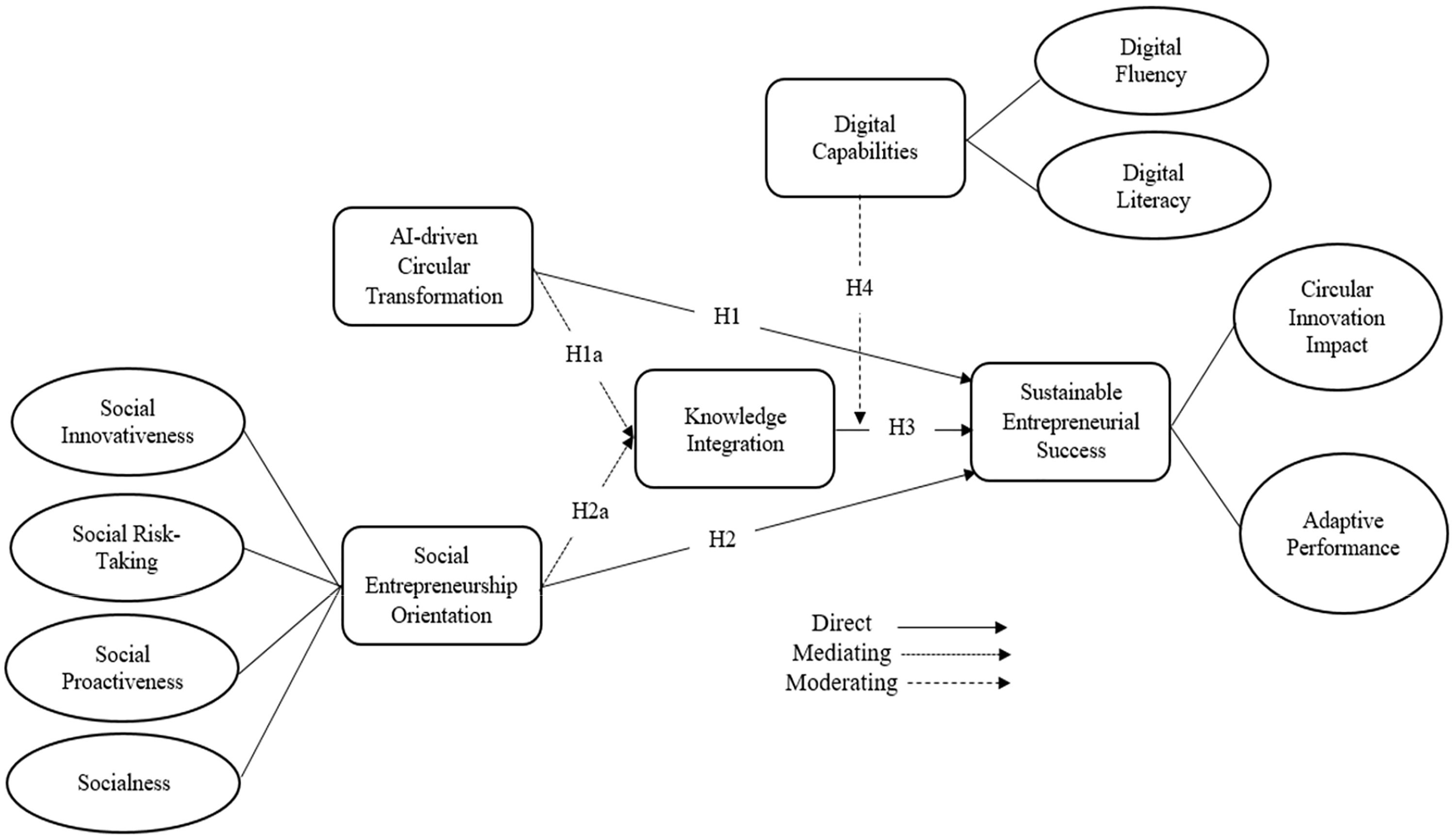
As Fig. 1 illustrates, the proposed model combines AI-driven circular transformation and SEO, focusing on KNI and DIC to achieve SES.
MethodsStudy context and data collectionThis study focuses on SMEs in China’s high-tech manufacturing sector. The following aspects were chosen in this industry. First, the technological change and high innovation requirements inherent to high-tech manufacturing are significant and have a substantial impact on the sustainable success of entrepreneurship. Second, these industries are more focused on AI-based circular transformation, SEO, and KNI at the top management level, thereby providing solid empirical evidence and a strong sample for this study. Participants were sampled based on the rationale of different high-tech manufacturing SMEs in Guangdong Province, China. To simplify the research, a WeChat group was initially formed, to which all participants who agreed to participate in the survey were added. The survey’s first page outlined the study objectives and procedures and informed participants of their right to withdraw at any time.
A stratified random sampling method was employed in this study to ensure the coverage of high-tech manufacturing industries in Guangzhou, Shenzhen, and Dongguan is representative. These cities are considered high-tech manufacturing industries in China, where the production of AI-controlled goods that meet customer needs is environmentally friendly. This study focused specifically on top-level managers, who are the key players in strategic decision-making that drives SES. We sent 500 survey questionnaires and received 442 responses, yielding a response rate of 88.4 %. The survey instruments were translated from English to Chinese through a collaborative translation/back-translation process involving one English-proficient professor and two doctoral students. Responses for all items were captured on a Likert scale ranging from 1 (strongly disagree) to 5 (strongly agree).
Demographically, 244 (55.2 %) participants were male and 198 (44.8 %) were female. Regarding age, the highest proportion was in the 46–55 age group (47.1 %), followed by 36–45 (31.7 %), followed by 25-35 (15.6 %), and 56-above years old (5.7 %). Regarding education, 250 (56.6 %) of the participants held a master’s degree, 152 (34.4 %) had a bachelor’s degree, and 40 (9.0 %) held a PhD or other relevant degrees. Regarding work experience, 151 respondents (34.2 %) reported 16–20 years of employment, followed by 126 (28.5 %) with 11–15 years, 84 (19.0 %) with 5–10 years, 41 (9.3 %) with more than 20 years, and 40 (9.0 %) with 1–5 years of experience.
InstrumentsAI-driven circular transformationAI-driven circular transformation is measured using a three-item scale developed by (Hwang et al., 2025). Example item includes: “AI-driven predictive analytics in our operations help identify opportunities for reducing waste and improving sustainability.” The Cronbach’s α of the scale was 0.930, and the composite reliability (CR) value was 0.932.
SEOTo assess SEO, we used 11 items from the four constructs (social innovativeness, social risk-taking, social proactiveness, and socialness. This scale was previously validated by prior researchers (Gali et al., 2020; Kraus et al., 2017). A sample item includes “social innovation is important for our company. “Our company has a strong tendency to be ahead of others in addressing its social mission.” The Cronbach’s α of the scale was 0.936, and the CR value was 0.944.
KNIThe KNI is measured using a three-item scale developed by (Hwang et al., 2025). A sample item: “Our company successfully synthesizes AI-generated information with stakeholder knowledge to drive circular initiatives.” The Cronbach’s α of the scale was 0.831, and the CR value was 0.837.
The SESTo measure SES, we adopted a four-item scale through two constructs (adaptive performance and circular innovation impact). This scale was developed by (Hwang et al., 2025). A sample item: “Our company effectively adapts to market disruptions while maintaining sustainability goals.” We successfully introduce new business models or practices that promote sustainability through circular innovations.” The Cronbach’s α of the scale was 0.929, and the CR value was 0.931.
The DICTo evaluate digital capabilities, we adapted a six-item scale using two constructs (digital literacy and digital fluency). This scale was developed by (Helsper & Eynon, 2013). A sample item includes: “Our company focuses on building foundational skills in areas of weakness.” Our company looks for opportunities to apply digital skills to creative and strategic projects.” The Cronbach’s α of the scale was 0.935, and the CR value was 0.938.
Common method bias (CMB)To check the issue of CMB, we performed two statistical tests. First, the results of Harman’s one-way analysis of variance showed that the first factor before rotation explained 32.361 % of the total variance, which did not exceed the 50 % threshold (Yao & Xu, 2024); second, Un-measured Latent Method Construct method was used to test for CMB, and the fit of the five-factor model with the addition of the common method factor [χ2=1679.022; NFI = 0.831; and SRMR= 0.050 within range]. Therefore, the results of both analyses indicated no serious CMB in this study (MacKenzie & Podsakoff, 2012).
Data analysis methodWe employed partial least squares-structural equation modeling (PLS-SEM) using Smart-PLS 4.1.1 software for hypothesis testing, given its robustness with complex models and non-normal data distributions common in emerging economy contexts (Hair et al., 2019; Sarstedt et al., 2022). The analysis proceeded in two stages: first, the measurement model was assessed for reliability, convergent validity, and discriminant validity; second, the structural model was evaluated by examining path coefficients, explained variance, and effect sizes.
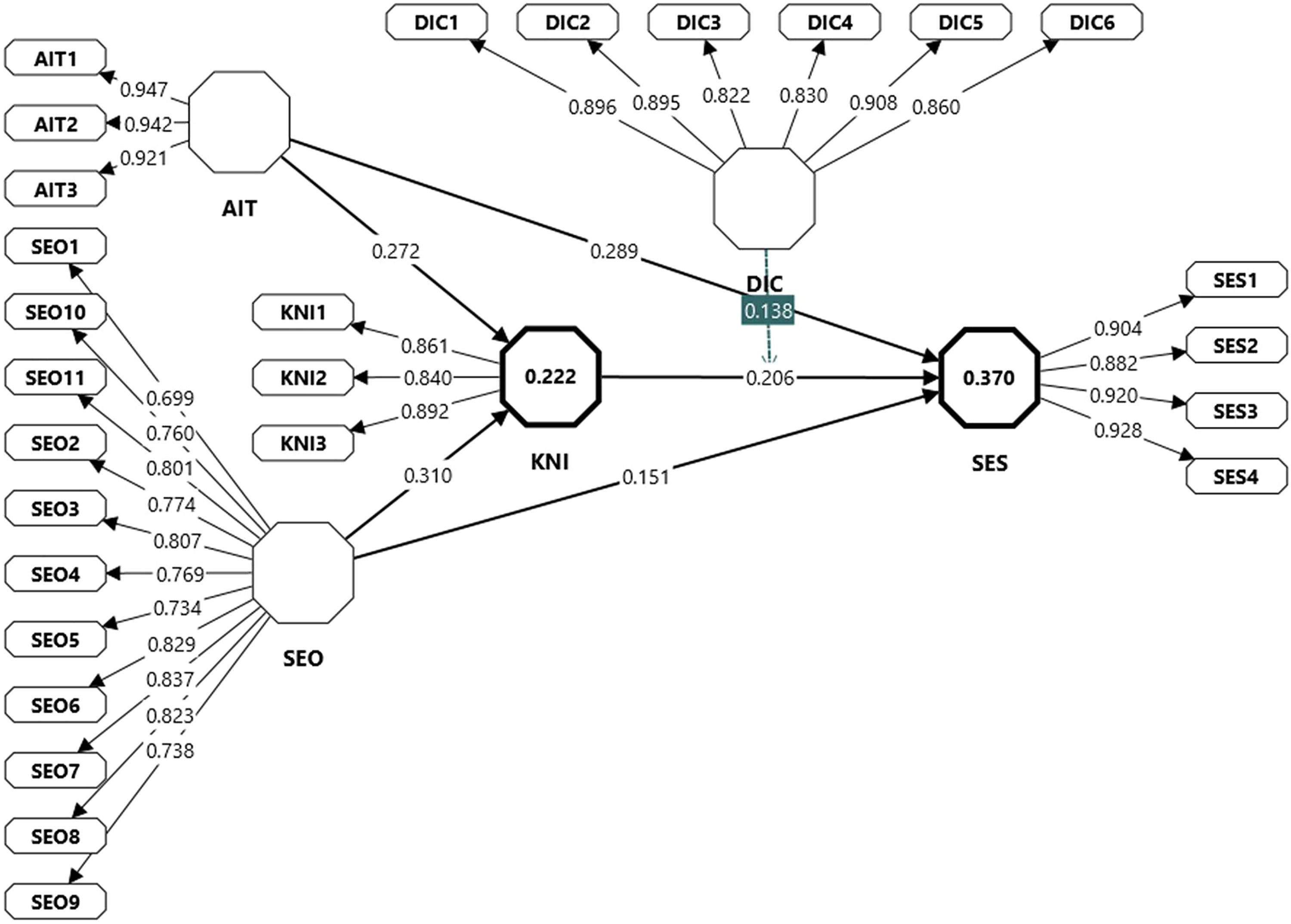
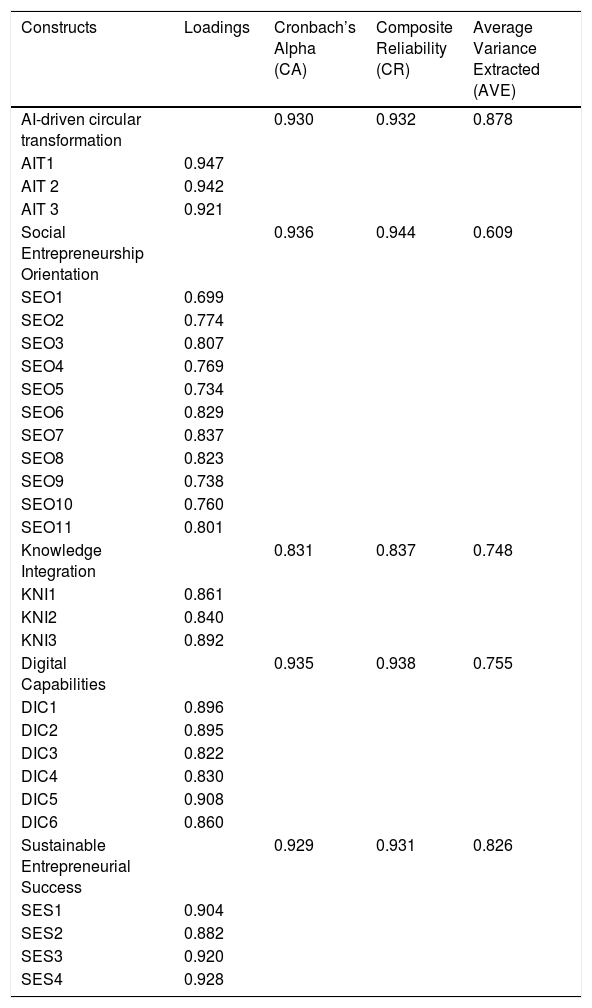
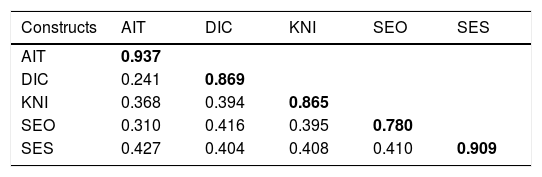
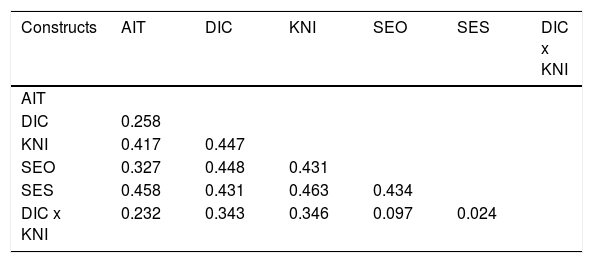
ResultsMeasurement modelTo assess the reliability and validity of the constructs, we adhered to the principles for assessing the PLS-SEM measurement model (Hair et al., 2019; Ringle et al., 2020). Table 1 and Fig. 2 provide a summary of the factor loadings, Cronbach alpha, CR, and average variance extracted (AVE) of each construct. All loading items were higher than the recommended 0.70 (Sarstedt et al., 2022), indicating high indicator reliability. The Cronbach’s alpha values ranged from 0.831 to 0.936, and the CR values ranged from 0.837 to 0.944, all of which exceeded 0.90, indicating high internal consistency (Hair et al., 2012). The AVE for each construct exceeded 0.50, ranging from 0.609 to 0.878, indicating adequate convergent validity (Henseler et al., 2014). Moreover, discriminant validity was assessed using the Fornell–Larcker criterion (Fornell & Larcker, 1981) and the Heterotrait–Monotrait (HTMT) ratio. Tables 2 and 3 present the HTMT ratio and the square roots of the AVEs on the diagonal, respectively, along with the inter-construct correlations below and above the diagonal. Diagonal values (square roots of AVE) are all higher than the corresponding inter-construct correlations, indicating satisfactory discriminant validity (Henseler et al., 2016). Additionally, all HTMT ratios were below the conservative threshold of 0.85, further confirming discriminant validity.
Factor Loadings, Reliability, and Validity.
Note: AIT=AI-driven circular transformation; SEO=social entrepreneurship orientation; KNI=knowledge integration; DIC=digital capabilities; SES=sustainable entrepreneurial success
Fornell-Larcker Criteria.
| Constructs | AIT | DIC | KNI | SEO | SES |
|---|---|---|---|---|---|
| AIT | 0.937 | ||||
| DIC | 0.241 | 0.869 | |||
| KNI | 0.368 | 0.394 | 0.865 | ||
| SEO | 0.310 | 0.416 | 0.395 | 0.780 | |
| SES | 0.427 | 0.404 | 0.408 | 0.410 | 0.909 |
Note: AIT=AI-driven circular transformation; SEO=social entrepreneurship orientation; KNI=knowledge integration; DIC=digital capabilities; SES=sustainable entrepreneurial success
Heterotrait-monotrait ratio (HTMT) – Matrix.
| Constructs | AIT | DIC | KNI | SEO | SES | DIC x KNI |
|---|---|---|---|---|---|---|
| AIT | ||||||
| DIC | 0.258 | |||||
| KNI | 0.417 | 0.447 | ||||
| SEO | 0.327 | 0.448 | 0.431 | |||
| SES | 0.458 | 0.431 | 0.463 | 0.434 | ||
| DIC x KNI | 0.232 | 0.343 | 0.346 | 0.097 | 0.024 |
Note: AIT=AI-driven circular transformation; SEO=social entrepreneurship orientation; KNI=knowledge integration; DIC=digital capabilities; SES=sustainable entrepreneurial success
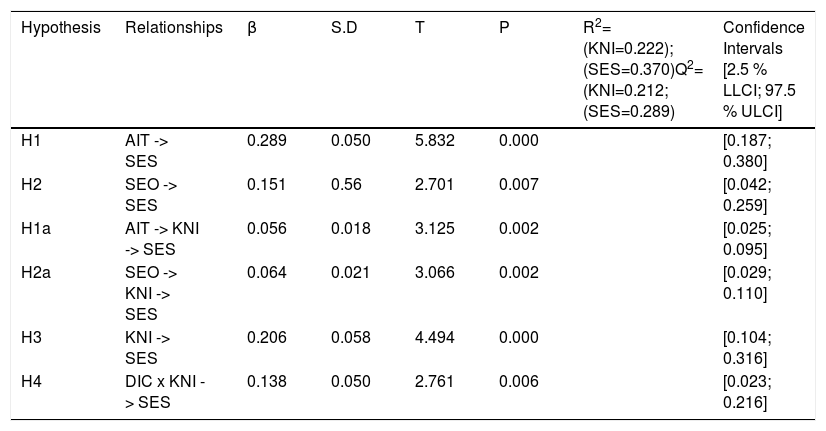
The fitness of the structural model was measured through the coefficient of determination R2, standardized root mean square residual (SRMR), and predictive relevance Q2 values. According to Hair et al. (2012) the desired value of R2 should be >0 or 0.10; SRMR <0.08; and Q2 >0 or 0.10. Our results indicate that the SRMR for this study was 0.050, which met the desired criteria (Hair et al., 2019). In contrast, the findings in Table 4 indicate that we achieved satisfactory results for R² and Q². Hence, the structural model results were reliable for further bootstrapping to probe the hypothesized relationship between variables.
Direct, Mediating and, Moderating Effects.
Note: AIT=AI-driven circular transformation; SEO=social entrepreneurship orientation; KNI=knowledge integration; DIC=digital capabilities; SES=sustainable entrepreneurial success
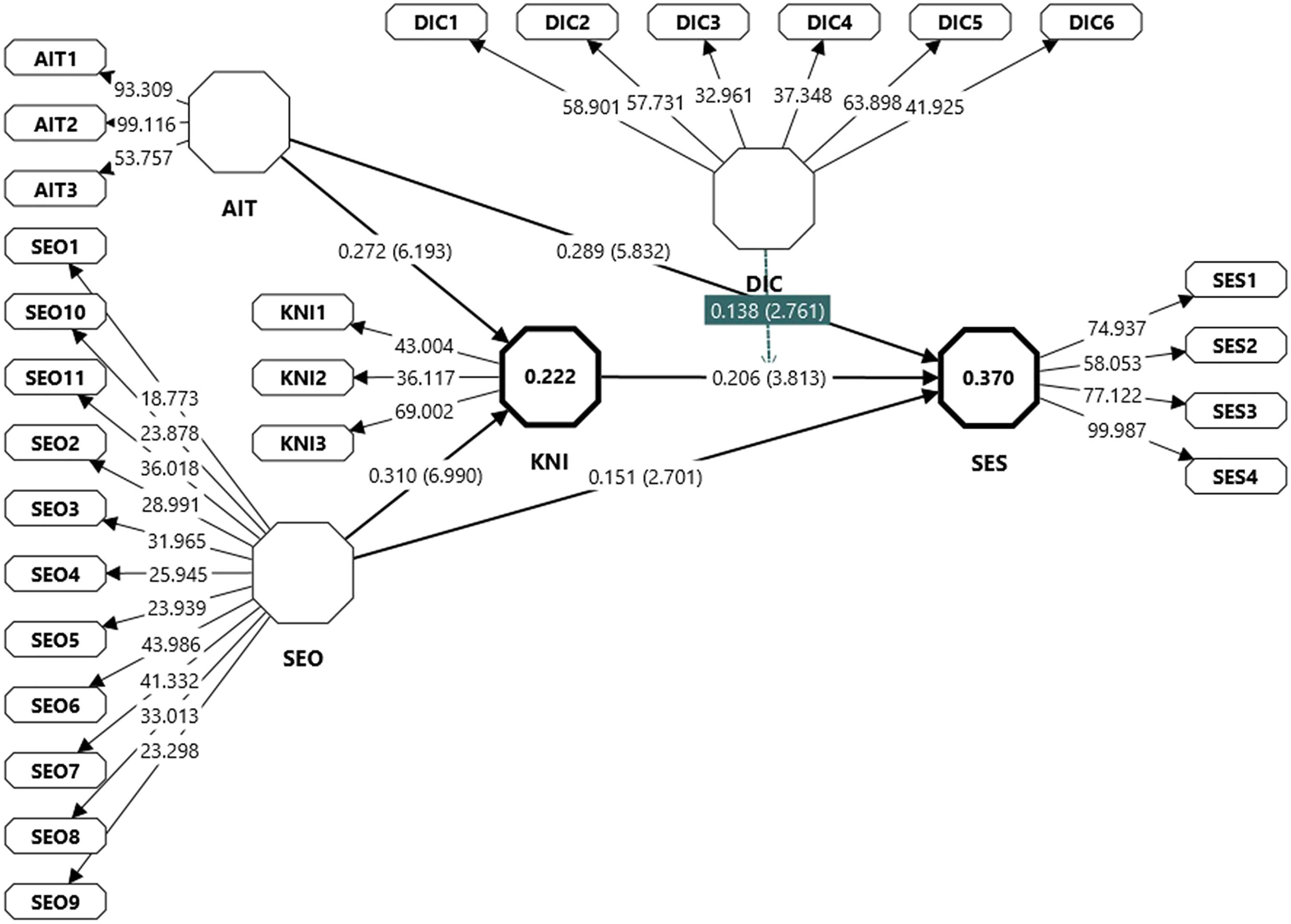
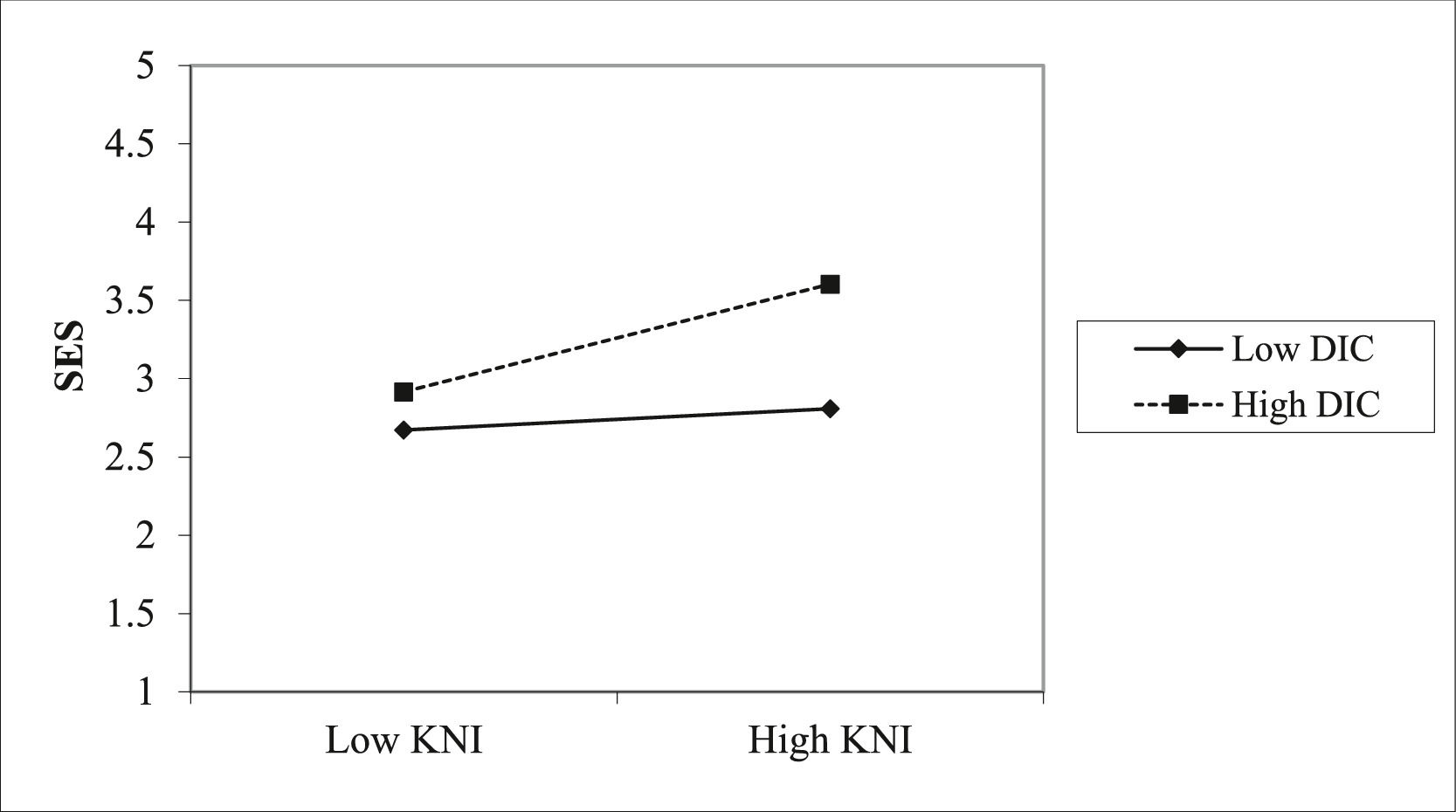
We applied the PLS-SEM bootstrapping method with 10,000 subsamples to estimate path coefficients and associated T, p, and CI values. The results were displayed in Fig. 3 and Table 4. To test H1, the results indicate that AI-driven circular transformation has a positive influence on SES (β = 0.289; S.D = 0.050; T = 5.832; p = 0.000; 2.5 %-97.5 % CI = [0.187, 0.380]), supporting H1. Moreover, the findings show that a SEO positively affects SES (β = 0.151; S.D = 0.056; T = 2.701; p = 0.007; 2.5 %, 97.5 % CI = [0.042, 0.259]), thereby supporting H2. Furthermore, the results of H1a and H2a indicate that KNI mediates the relationships among AI-driven circular transformation, SEO, and SES. The mediation analysis shows significant indirect effect (β = 0.056; S.D= 0.018, T=3.125; p = 0.002; 2.5 %, 97.5 % CI= [0.025,0.095]); (β = 0.064; S.D = 0.021; T=3.066; p = 0.002; 2.5 %, 97.5 % CI= [0.029,0.110]), supporting H1a and H2a. Similarly, the H3 results indicate a positive relationship between KNI and SES (β = 0.206; S.D = 0.054; T = 3.813; p = 0.000; 2.5 %-97.5 % CI = [0.104, 0.316]), thus supporting H3. Additionally, H4 results show that DIC moderate the relationship between KNI and SES. The interaction effect is significant (β=0.138; S.D= 0.050; T=2.761; p = 0.000; 2.5 %, 97.5 % CI= [0.023,0.216]), hence supporting H4. We further examine the relationship between KNI and SES at varying levels of KNI, as shown in Fig. 4. The study suggests that the relationship between KNI and SES is stronger when DIC are high. The positive slope between KNI and success is steeper at high levels of the moderator. This means that DIC amplify the benefits of KNI, enabling firms to leverage integrated knowledge more effectively, potentially through faster information processing, improved communication, or enhanced implementation of sustainable solutions.
Probing the KNI-SES relationship at different levels of DIC. Fig. 4 shows that when digital capabilities are high, the positive effect of knowledge integration on success is stronger. For firms with high digital capabilities, the slope would be stronger. For firms with low digital capabilities, the slope would be weaker.
This study provides a deeper understanding of how AI-driven circular transformation, SEO, and knowledge network integration, when integrated synergistically, contribute to SES, particularly in SMEs, and extends DCT to provide a contextual characterization of technological change that is rapid and emphasizes sustainability. This study not only confirms the expected relationship but also provides insight into how and why these mechanisms operate to generate sustainable outcomes.
First, the strong, positive relationship between AI circular transformation and SES indicates that the significance of technology extends beyond an input to a dynamic capability enabler. Through the lens of DCT, AI develops a firm’s ability to identify inefficiencies in the market and environment, then captures them as opportunities and reconfigures its operational processes in ways that are more sustainable (Hwang et al., 2025). Studies have highlighted that AI-driven circular initiatives pave the way for the internalization of environmental externalities by transforming resource inefficiencies, waste, and emissions into valuable assets (Kask & Linton, 2025; Khakbazan et al., 2025). This illustrates why AI-enabled firms, in both environmental and economic dimensions, surpass their competitors. Furthermore, AI aids firms in several ways, including enhanced prediction accuracy, faster learning, and greater responsiveness, flexibility, and adaptability, which are essential in volatile environmental, ecological, and regulatory conditions (Hokmabadi et al., 2024; Raut et al., 2025). Based on the above discussion, the findings of this study extend DCT by providing evidence that AI digital technologies aid in existing capabilities of the firm and also play a significant role in restructuring, reshaping, and reconfiguring the firm’s capacity-building process itself, and such measures embed the sustainable measures into forms of adaptive routines.
Second, this study found that the positive relationship between SEO and SES is important for value-driven dynamic capabilities. It is essential for firms to determine how to prioritize and deploy their capabilities. To tackle this challenge, the SEO function serves as a guiding mechanism for prioritizing capabilities (Amankwah‐Amoah et al., 2019; Turpin & Shier, 2024). The SMEs that are highly involved in SEO are more inclined to initiate, support, and align their strategy of opportunity recognition with environmental and societal needs, which ultimately translates into better stakeholder trust, legitimacy, and long-term support (do Adro et al., 2021). This extends DCT by demonstrating that decision makers’ strategic intent and ethical orientation influence the effectiveness of dynamic capabilities, as dynamic capabilities are not value-neutral (Alcalde-Calonge et al., 2024; Premadasa et al., 2023). Regarding SME, SEO enhances the firm’s ability to collaborate with various stakeholders and mobilize community resources, strengthening its resilience in the face of institutional pressure.
Third, the mediating role of knowledge network integration provides a micro foundation through which SEO and AI-driven transformation can be translated into sustainable success. The findings highlight that social intent and AI alone are insufficient to integrate, evaluate, recombine, and apply dispersed knowledge in external or internal networks unless the firm possesses the necessary ability (Esposito et al., 2024). The KNI serves as a crucial thin line that connects social objectives and technological inputs to produce better performance outcomes. It is the KNI that enables firms to convert raw digital data into actionable insights, foster cross-functional learning, and facilitate collaboration among suppliers, partners, and communities (Alriyami et al., 2025). This integrative mechanism illustrates that SES results not from isolated capabilities, but rather from a firm’s ability to orchestrate and reconfigure knowledge mechanisms that are more aligned with purposeful meaning (Ali et al., 2024; Hou et al., 2025). Accordingly, it extends DCT by placing high importance on the concept of knowledge orchestration, serving as a mechanism that bridges firms, identifies the sensing, capturing, and seizing activities, and achieves sustainable outcomes.
Finally, the moderation of DIC suggests a broader capability hierarchy within which dynamic capabilities operate. The DIC pave the way for effective KNI by enabling data accessibility, providing analytical depth and better coordination, and reflecting real-time insights (Hwang et al., 2025). Firms that are more inclined toward highly digital infrastructures are well-positioned to leverage AI outputs, particularly insights for decision-making related to sustainability and the restructuring and reconfiguration of processes to better address market and environmental signals (Lin et al., 2025). This finding offers new insights into extending the DCT by demonstrating that the functions of dynamic capabilities are not uniform across firms; however, their impact is conditional and depends on the maturity of foundational DIC (Al-Husain et al., 2025; Zhuge et al., 2023). The SMEs with highly digitalized equipment appear to be more sustainability-oriented in a strategic rather than symbolic or ad hoc manner, and their transformation has become measurable and scalable.
Study implications and limitationsTheoretical implicationsThis study contributes to the literature on sustainable entrepreneurship, the CE, and digital transformation. The study aims to integrate all variables into a comprehensive model to investigate which aspects are unique to SMEs in China. The study extends the DCT by offering a knowledge-based understanding of the dual effects of technological innovation and social orientation in the presence of KNI, leading to SES. AI-driven circular transformation and SEO serve as a lifeline for SES because they help reduce emissions, drive innovation, and advance China’s green policy. These findings also align with (Hwang et al., 2025; Premadasa et al., 2023), who argue that the key differentiator in gaining an edge over competitors is technological advancements driven by social motivation.
The theoretical model is enhanced by the mediating effect of KNI, which emphasizes the importance of knowledge as a catalyst and connector linking AI-driven circular transformation and SEO to SES (Alriyami et al., 2025; Esposito et al., 2024). Furthermore, the moderating effect adds theoretical significance, demonstrating how the combination of digital capability, data analytics, and AI literacy can enhance sustainability by applying knowledge. This study adopts a holistic paradigm that integrates technological, knowledge-based, and social entrepreneurship lenses to describe SES in a fast-evolving, digitally transforming environment in China.
Practical implicationsThe findings offer valuable insights for practitioners and stakeholders in the innovation ecosystem, enabling them to achieve sustainability and competitiveness. The AI-based circular transformation provides adequate evidence that AI is not just a tool of operational efficiency, but it must be operationalized for a capability-building mechanism that helps firms reconfigure, seize, and sense, and resource for SES. Therefore, practitioners should incorporate AI technologies into production stages strategically to support data-driven optimization and address waste management. By implementing these practices, firms promote sustainability through core operational activities, boost adaptive capacity and resilience, and pave the way for active involvement in pro-environmental practices while sustaining competitive performance.
Moreover, results highlight that AI-driven circular transformation triggers ecosystem-oriented innovation practices that eventually support strong, SES. Therefore, it is necessary not to focus solely on digitalization initiatives related to customer engagement; rather, firms should also leverage digital platforms and integrated AI systems to assist data-sharing arrangements with technology providers and supply chain partners. Similarly, a mindset grounded in SEO should be nurtured, emphasizing not only economic value creation but also social value and sustainability-oriented initiatives. Practitioners should have a criteria that integrate social impact, stakeholder engagement, and ethical leadership into investment and innovation decisions, improving trust, legitimacy, long-term survival, and competitive advantage.
Additionally, the role of KNI highlights the distinctive results achieved by converting AI-driven insights into actionable strategies that strengthen organizational processes and systems. Practitioners should develop digital infrastructure and cross-functional teams that collaboratively support decision-making informed by managerial expertise, external knowledge, and analytical outputs. Finally, DIC, supported by robust digital infrastructure, effective data management tools, and advanced digital skills, enhance KNI and SES. Thus, practitioners and industry actors play a vital role in facilitating this process by enabling SMEs to convert digital intelligence into SES through circular-economy ecosystems.
Managerial implicationsThis study offers several managerial implications for managers and industry leaders in China by providing evidence on how to leverage digitalization to promote sustainability-driven entrepreneurial success. First, managers should recognize AI-driven circular transformation as a mechanism that aligns both operational and strategic processes, rather than viewing it merely as a technological upgrade. Such circular transformation comprises interconnected systems, such as intelligent resource allocation and operational efficiency monitoring, which collectively reduce energy consumption and waste while improving operational performance.
Second, AI-based circular transformation practices strengthen organizational resilience and adaptive capacity, enabling firms to better navigate volatile market environments. Therefore, managers should integrate social responsibility values and stakeholder inclusiveness to proactively pursue sustainability initiatives that simultaneously strengthen competitiveness and generate societal value. Moreover, AI-enabled circular transformation facilitates alignment with national priorities related to low-carbon industrial upgrading, green manufacturing, and digitalization. Managerial commitment to sustainability initiatives that consistently follow policy frameworks and regulatory requirements enables firms to secure institutional support, advancing industrial modernization goals and reinforcing long-term strategic positioning.
Third, to compete in sustainability-sensitive markets, a strong sustainable entrepreneurial orientation enables the embeddedness of responsible innovation within both operational and strategic processes. This embeddedness improves stakeholder trust and boosts brand reputation. Accordingly, managers should integrate sustainable entrepreneurial orientation into stakeholder engagement, leadership practices, and innovation management. Finally, to sustain momentum, organizations should develop mechanisms for integrating AI-enabled insights with managerial expertise to support continuous learning. Such integrative systems enhance organizational learning and enable the translation of DIC into SES and long-term organizational performance.
Limitations and future research directionsThis study provides useful evidence on what promotes SES; however, several limitations should be noted and serve as directions for further studies. To begin with, the sample consisted only of high-tech manufacturing industries in Guangzhou, Shenzhen, and Dongguan. However, these cities are central to China’s tech ecosystem; the findings may not necessarily generalize to other parts of China, where industrial policy and market dynamics differ. This model can be supported in the future by gathering data from high-tech firms in other large cities (e.g., Shanghai, Beijing, and Jiangsu) or other states, thereby enhancing the external validity of the findings.
Second, a cross-sectional design provides a static picture of the relationship between constructs. This design does not allow for determining causality and observing how dynamic processes, such as AI-driven circular transformation and KNI, interact and affect one another over time. Future research on this conceptual model in traditional manufacturing industries or service sectors may reveal variations in the dynamics of AI-driven circular transformation across sectors. Additionally, a longitudinal study would be highly beneficial, enabling researchers to draw powerful causal conclusions and track the long-term evolution of AI-driven circular transformation and the integration of relevant knowledge into models of sustainable entrepreneurial performance.
Third, this study found that DIC are a moderator. This construct encompasses digital literacy and digital fluency in a generalized sense. The DIC, including digital infrastructure and agile IT governance, are other specific dimensions that are important for leveraging integrated knowledge and have not yet been explored. Additionally, the roles of institutional pressure and government support policies in shaping perceptions of the external environment and the effectiveness of AI-based circular strategies could be investigated in future research.
Declaration of generative AI and AI-assisted technologies in the writing processDuring the preparation of this work, the authors used Grammarly in order to improve the readability and language of the manuscript. After using this tool, the authors reviewed and edited the content as needed, and they take full responsibility for the content of the published article.
Ethical approvalAll procedures performed in studies involving human participants were following the ethical standards of the institutional and/or national research committee and with the 1964 Helsinki declaration and its later amendments or comparable ethical standards. Ethical approval was taken from the ethical committee of participating organizations.
FundingThere was no funding taken for this study.
Availability of data and materialsData for this study can be attained on the request from the corresponding author.
CRediT authorship contribution statementMajid Murad: Writing – review & editing, Writing – original draft, Visualization, Validation, Software, Resources, Methodology, Investigation, Formal analysis, Data curation, Conceptualization. Mansi Wang: Writing – review & editing, Writing – original draft, Validation, Supervision, Project administration, Investigation, Funding acquisition, Data curation, Conceptualization. Syed Haider Ali Shah: Writing – review & editing, Writing – original draft, Visualization, Software, Resources, Methodology, Investigation, Conceptualization.
All authors of this study declare that they have no conflict of interest. None of the authors is financially or non-financially involve with the organizations being studied in this article.
This research is designed under the National Social Science Foundation General Project (22BGL069).
AI-driven Circular Transformation (AIT)
AIT1: Our company utilizes AI technologies to optimize product lifecycle management by minimizing waste and maximizing resource efficiency.
AIT2: AI-driven predictive analytics in our operations help identify opportunities for reducing waste and improving sustainability.
AIT3: AI technologies are critical to our implementation of closed-loop processes, such as recycling and reuse within our operations.
Social Entrepreneurship Orientation (SEO)
SEO1: Social innovation is important for our company.
SEO2: We invest heavily in developing new ways to increase our social impact or to serve our beneficiaries.
SEO3: In our company, new ideas to solve social problems come up very frequently.
SEO4: We are not afraid to take substantial risks when serving our social purpose.
SEO5: We avoid the cautious line of action if social opportunities might be lost that way.
SEO6: We aim at being at the forefront of making the world a better place.
SEO7: Our company has a strong tendency to be ahead of others in addressing its social mission.
SEO8: We typically initiate actions which other SE/social entrepreneurs copy.
SEO9: The objective to accomplish our social mission precedes the objective to generate a profit.
SEO10: Our organization places a strong focus on partnerships with other organizations and/or governments in order to ensure a greater and accelerated accomplishment of the social mission.
SEO11: We measure CO2 emissions and/or our generated waste and actively try to reduce it.
Knowledge Integration (KNI)
KNI1: AI-driven data and insights are effectively integrated into our operations to improve resource efficiency.
KNI2: Our company successfully synthesizes AI-generated information with stakeholder knowledge to drive circular initiatives.
KNI3: AI systems enable us to align ecosystem-wide circular economy knowledge with our operational strategies.
Digital Capabilities (DIC)
DIC1: Our company focus on building foundational skills in areas of weakness.
DIC2: Our company have a solid base; consider advancing to fluency skills.
DIC3: Our company have highly digitally literate human resource.
DIC4: Our company look for opportunities to apply digital skills to creative and strategic projects.
DIC5: Our company effectively using technology to solve problems.
DIC6: Our company has a strategic and innovative digital citizen, capable of leading digital initiatives.
Sustainable Entrepreneurial Success (SES)
SES1: Our company effectively adapts to market disruptions while maintaining sustainability goals.
SES2: We are agile in responding to regulatory or environmental changes without compromising operational efficiency.
SES3: Our company develops innovative solutions, such as waste-free products or services, aligned with circular economy principles.
SES4: We successfully introduce new business models or practices that promote sustainability through circular innovations.

