Chronic liver disease (CLD) represents a growing public health challenge in Latin America (LA), driven by the increasing burden of metabolic dysfunction-associated steatotic liver disease (MASLD), alcohol-associated liver disease (ALD), chronic viral hepatitis, and hepatocellular carcinoma (HCC) [1–4]. This burden has increased the demand for specialized hepatology care, which remains insufficiently met due to socioeconomic inequities, fragmented health systems, limited implementation of national liver policies, and heterogeneous access to diagnostics, specialized services, and liver transplantation (LT) [4–6].
Academic hepatology is essential for evidence generation, diagnostics, therapeutics, and specialist training. However, it remains unevenly developed, reflected by a low density of formally trained hepatologists, limited academic centers, and restricted access to training programs. Bibliometric analyses consistently show that the region contributes a disproportionately small share of global hepatology research output [7,8].
Available reports, often restricted to specific diseases or countries, suggest that hepatology resources are concentrated in a small number of nations, while much of the region lacks structured training programs, research infrastructure, and sustained scientific productivity [1,2,4,5]. Despite international recognition of these components as essential for high-quality liver care and health-system planning [9–11], no standardized, quantitative framework has integrated clinical, academic, and research dimensions to assess hepatology capacity across LA.
We conducted a multi-source regional evaluation integrating a structured survey of national hepatology societies, bibliometric analysis of PubMed-indexed publications, and thematic assessment of abstracts submitted to the Latin American Association for the Study of the Liver (ALEH) Congress 2025. Using these data, we developed the Global Academic Hepatology Capacity Index (GAHCI), a composite metric designed to quantify cross-country differences and identify opportunities for regional strengthening.
2Materials and methods2.1Regional survey of national hepatology societiesA 54-item structured questionnaire was developed by a multidisciplinary panel of hepatologists, epidemiologists, and methodological experts, informed by recognized frameworks for health workforce assessment and academic capacity building [12–17]. Items were generated by expert consensus and grouped a priori into five domains. Quantitative indicators were standardized using z-scores and aggregated into five composite domain indices:
- •
Human Capacity (ICH): workforce density, geographic distribution, university appointments, gender equity.
- •
Academic Training (IFA): fellowship programs, trainee intake, workforce incorporation, graduation rates, curricular structure.
- •
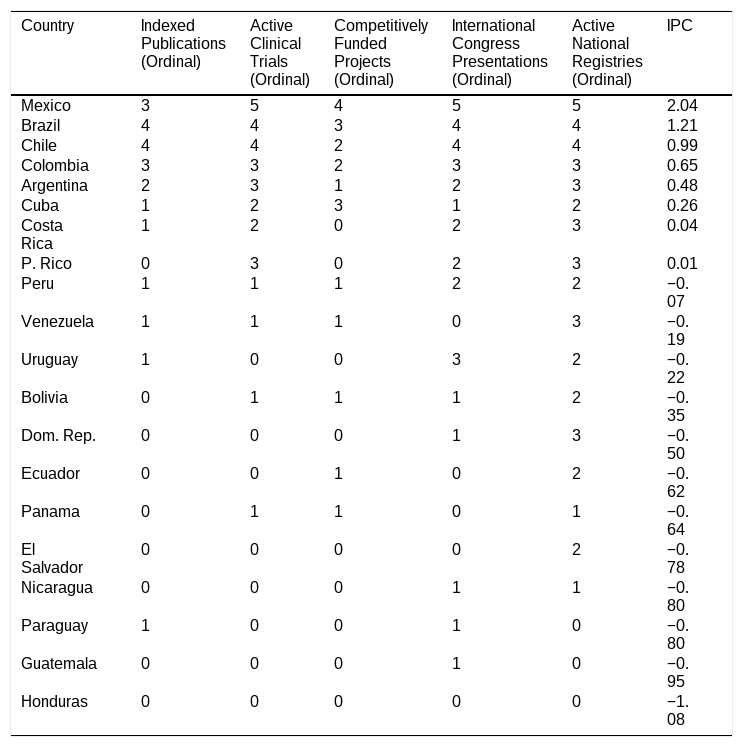
Scientific Productivity Index (IPC): indexed publications, national registries, clinical trials, congress engagement.
- •
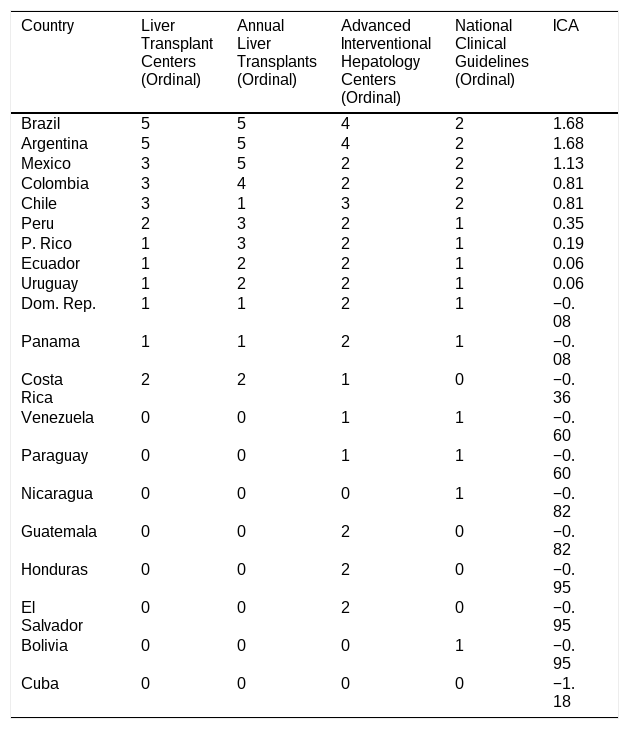
Clinical Complexity (ICA): LT, interventional hepatology, advanced diagnostics, guidelines.
- •
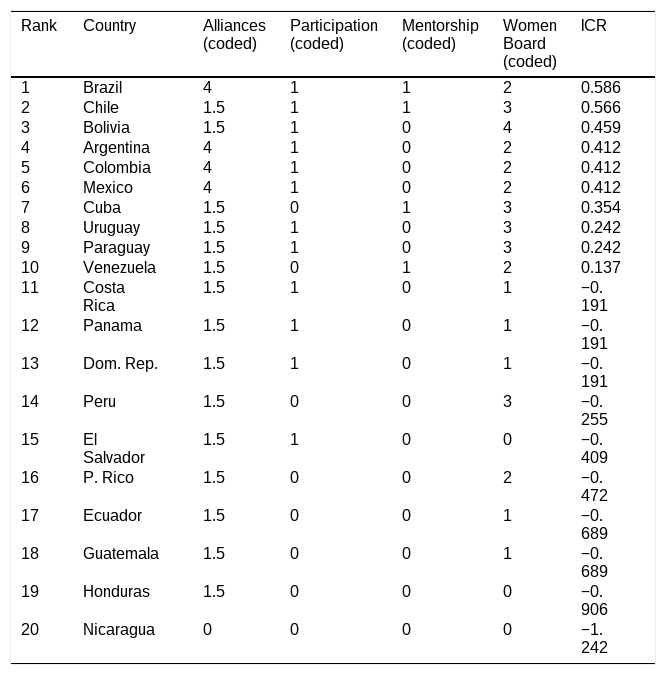
Collaboration and Networking (ICR): research alliances, multicenter participation, mentorship, gender representation.
The five domains were integrated into the GAHCI.
2.2Data collection and index constructionThe survey was distributed electronically to all officially recognized national hepatology societies affiliated with ALEH. One validated institutional response per country was required. Data were collected between 09 and 10/2025, and countries were included if ≥75% of items were completed.
Domain indices were calculated as the mean of their component indicators without rescaling. Domain weights were assigned by expert consensus to balance structural, academic, research, and clinical dimensions15–17: ICH=0.25,IFA=0.20,IPC=0.20,ICA=0.20, and ICR=0.15. The GAHCI was computed as a weighted sum of domain scores. Internal consistency of the IPC domain was assessed using Cronbach’s α (≥0.70 acceptable). Countries were classified into quintile-based capacity strata.
2.3Secondary data sourcesA structured PubMed search identified hepatology-related publications from LA between 06/2015 and 09/2025 using liver-specific MeSH terms and country affiliation filters. Publications with at least one LA institutional affiliation were included.
Abstracts submitted to the ALEH 2025 annual meeting (n = 191) were categorized by thematic area, study design, and collaboration type, serving as a proxy for regional research activity.
2.4Statistical analysis and ethicsDescriptive statistics were used to summarize survey and abstract data. Publication trends were evaluated using simple linear regression. Analyses were performed using SPSS v29.0.
This study used publicly available data and non-identifiable, institution-level survey responses. No individual patient data were collected; therefore, ethical approval was not required.
3Results3.1Regional survey of national hepatology societiesResponses were obtained from 100% of ALEH-affiliated national hepatology societies (20/20 countries). Responses were submitted by executive board members (n = 13) or formally designated national representatives (n = 7), ensuring consolidated institutional perspectives.
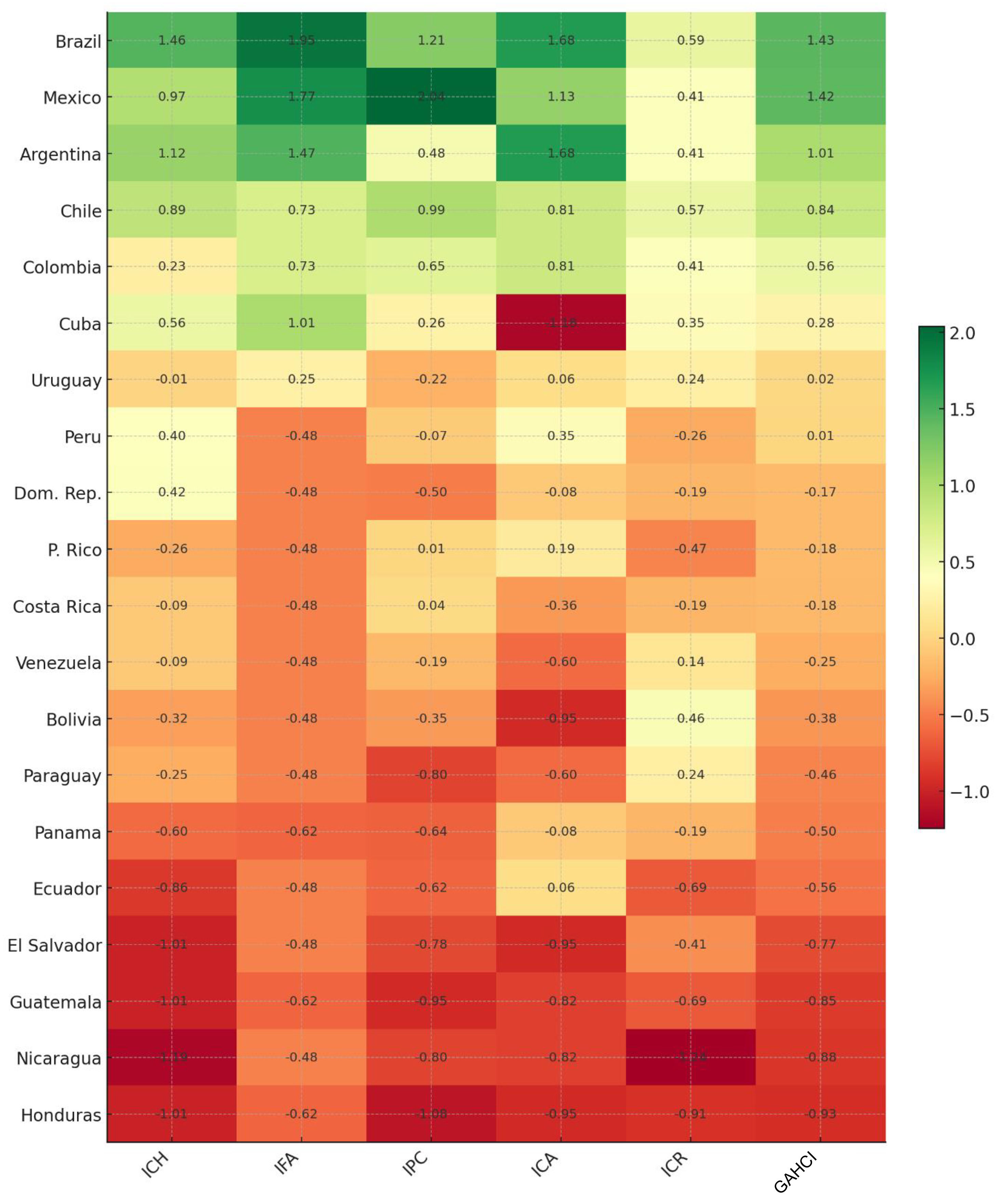
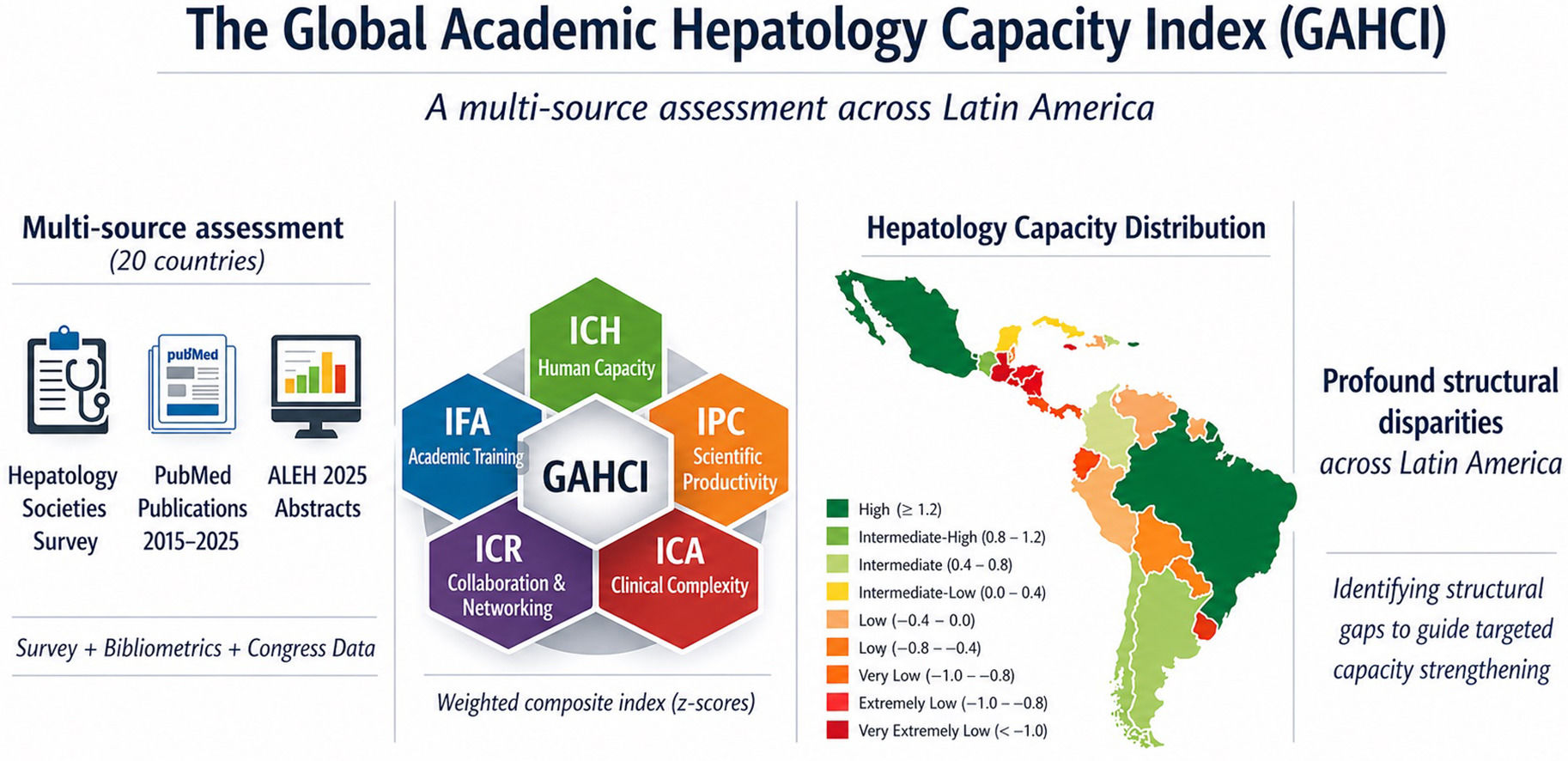
Integration of the five domains into the GAHCI revealed clear stratification of hepatology capacity across LA (Fig. 1). Brazil, Argentina, Mexico, and Chile consistently occupied the highest GAHCI tier, reflecting convergence of human resources, structured training pathways, research capacity, and advanced clinical services. An intermediate group (Colombia, Peru, Cuba, Dominican Republic, Uruguay, Costa Rica, and Venezuela) demonstrated partial development across domains, while several Central American countries and Bolivia clustered in the lowest GAHCI strata, characterized by limited workforce density, absence of formal training programs, low research productivity, and restricted clinical complexity.
Heatmap of standardized domain scores across 20 Latin American countries (2025). Human capacity (ICH), Academic training (IFA), Scientific productivity (IPC), Care complexity (ICA), Collaboration & networking (ICR), and the weighted IGCAH. Color scale uses z-scores (red = below regional mean; yellow = near mean; green = above mean). IGCAH = 0.25·ICH + 0.20·IFA + 0.20·IPC + 0.20·ICA + 0.15·ICR. Higher values indicate stronger national academic hepatology capacity. (Ordered by decreasing IGCAH).
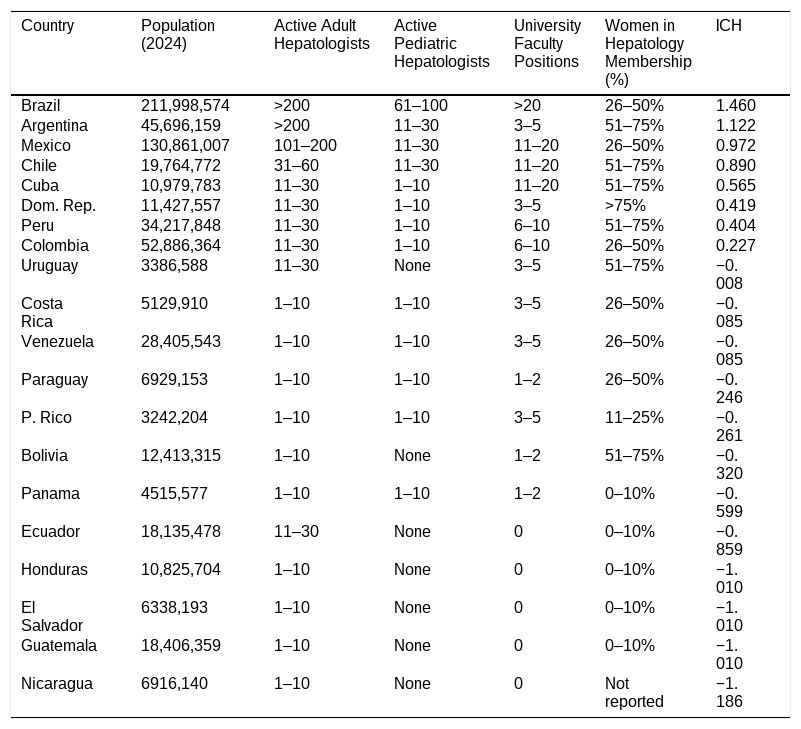
Substantial heterogeneity was observed across all domains (Tables 1234,5). ICH scores were highest in Brazil, Argentina, Mexico, and Chile, driven by higher hepatologist density, academic affiliation, and gender representation, whereas countries in the lowest tier evidenced marked deficits.
Human capacity index (ICH) in Latin America (2025).
Adult and pediatric hepatologist counts were reported in ordinal categorical ranges: 0 = none, 1 = 1–10, 2 = 11–30, 3 = 31–60, 4 = 61–100, 5 = 101–200, 6 = >200. University faculty positions held by hepatologists were categorized as: 0 = none, 1 = 1–2, 2 = 3–5, 3 = 6–10, 4 = 11–20, 5 = >20. Female participation in national hepatology society membership was categorized as: 1 = 0–10%, 2 = 11–25%, 3 = 26–50%, 4 = 51–75%, 5 = >75%, while “Not reported” was coded as 0. The Human Capacity Index (ICH) represents the mean z-score of the four components (adult hepatology workforce, pediatric hepatology workforce, academic faculty presence, and female representation), providing a standardized comparative measure across countries. (Ordered by decreasing ICH).
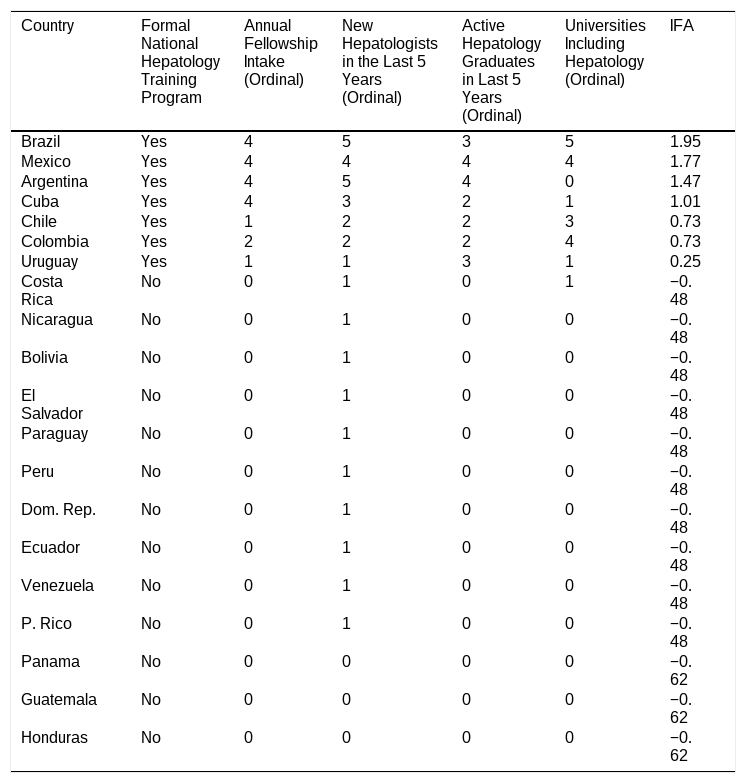
Academic training capacity index (IFA) in Latin America (2025).
Ordinal categories were defined as follows: Annual fellowship intake, new hepatologists in the last five years, and active hepatology graduates were each scored on a 0–5 ordinal scale: 0 = none, 1 = 1–5, 2 = 6–10, 3 = 11–20, 4 = 21–30, 5 = >30 (or the highest category available). The number of universities including hepatology in their curricula was categorized as: 0 = none, 1 = 1 university, 2 = 2–3 universities, 3 = 4–6 universities, 4 = 7–10 universities, 5 = >10 universities. Countries without a formal national hepatology training program received a proportional adjustment to their final IFA score (IFA_final = IFA_raw × 0.85) to prevent overestimation of academic training capacity. Higher IFA scores indicate stronger national academic formation in hepatology. (Ordered by decreasing IFA score).
Scientific production index (IPC) in Latin America (2025).
Ordinal categories were defined specifically for each variable based on survey response ranges: Indexed publications (0 = none, 1 = 1–5, 2 = 6–15, 3 = 16–30, 4 = 31–60, 5 = >60); active clinical trials (0 = none, 1 = 1–2, 2 = 3–5, 3 = 6–10, 4 = 11–20, 5 = 21–40); competitively funded projects (0 = none, 1 = 1–2, 2 = 3–5, 3 = 6–10, 4 = 11–20); international congress presentations (0 = none, 1 = 1–5, 2 = 6–15, 3 = 16–30, 4 = 31–60, 5 = 61–100); active national registries (0 = none, 1 = 1, 2 = 2, 3 = 3–4, 4 = 5–7, 5 ≥ 8). All components were standardized using z-scores, and the IPC was computed as the mean of the five standardized components. Higher IPC values indicate greater national scientific production capacity in hepatology. (Ordered by decreasing IPC score).
Clinical complexity and advanced hepatology service capacity (ICA) in Latin America (2025).
Ordinal categories were defined as follows: Number of active liver transplant centers (0 = none, 1 = 1–2 centers, 2 = 3–5, 3 = 6–10, 4 = 11–20, 5 = >20); annual liver transplant volume (0 = none, 1 = 1–10, 2 = 11–30, 3 = 31–60, 4 = 61–100, 5 = >100); advanced interventional hepatology centers (0 = none, 1 = 1–2, 2 = 3–5, 3 = 6–10, 4 = 11–20, 5 = >20); national clinical guidelines (0 = none, 1 = one guideline, 2 = ≥2 guidelines). All components were standardized using z-scores, and the ICA corresponds to the mean standardized value of the four components. Higher ICA scores indicate greater national complexity and availability of advanced hepatology care. (Ordered by decreasing ICA score).
Collaboration & networking capacity index (ICR) in Latin America (2025).
The Collaboration & Networking Capacity Index (ICR) was derived by converting four variables into standardized z-scores and averaging them to generate a composite measure of international academic integration. International alliances were coded as 0 (none), 1.5 (1–2 alliances), or 4 (3–5 alliances). Participation of national hepatologists in international societies and the presence of a national mentorship program were coded as binary variables (Yes = 1, No = 0). Female representation on the national hepatology board was coded using ordinal categories: 0 (0%), 1 (1–25%), 2 (26–50%), 3 (51–75%), and 4 (>75%). Higher ICR values indicate stronger collaborative structures, greater engagement with international societies, presence of mentorship pathways, and higher gender diversity in leadership. (Ordered by decreasing ICR score).
IFA showed even sharper disparities (Table 2). Only seven countries reported formal hepatology fellowship programs. Brazil, Mexico, and Argentina ranked highest due to structured curricula, regular trainee intake, and workforce integration of graduates, whereas most Central American and Caribbean countries reported no formal training pathways.
IPC scores followed a similar gradient. Mexico and Brazil ranked highest, followed by Chile and Colombia, while most remaining countries reported limited indexed publications, minimal clinical trial participation, and scarce engagement in national registries.
ICA scores were highest in Brazil and Argentina, supported by LT programs, interventional hepatology, advanced diagnostics, and national guidelines. Several countries lacked LT and advanced procedures, resulting in very low ICA scores. ICR scores were strongest in countries with higher participation in multicenter studies, international societies, and structured mentorship.
3.2Structural and system-level findingsOnly 9/20 (45%) countries reported formal recognition of hepatology as a specialty or subspecialty and hepatology practice was geographically centralized in one or two major cities in 14 countries (70%).
Research infrastructure displayed a marked gradient: six countries had comprehensive laboratory capacity (biobank, molecular biology, genetics, metabolomics, histopathology), whereas 25% reported none. Using a pragmatic definition of clinical complexity based on the availability of a minimum package of advanced diagnostic and therapeutic services (specialized laboratory, Doppler, elastography, magnetic resonance, variceal ligation, cyanoacrylate, TIPS, one ablative technique, transarterial therapy and LT), only 50% of countries met criteria for sufficient hepatology complexity.
National registries and guidelines were unevenly distributed. Only five countries reported maintaining ≥4 active liver disease registries, while ten had ≤2. Five countries reported ≥2 hepatology guidelines, whereas five reported none. Access to antiviral therapy for chronic viral hepatitis was broadly available; however, access to high-cost systemic therapies for advanced HCC remained limited, with immunotherapy available in only eleven countries.
Financial capacity varied widely and aligned with IPC and ICR. Across the region, societies identified HCC, MASLD, cirrhosis, and viral hepatitis as priority burdens, with consensus priorities for capacity strengthening centered on specialty recognition, fellowship development, research funding, and access to advanced therapies.
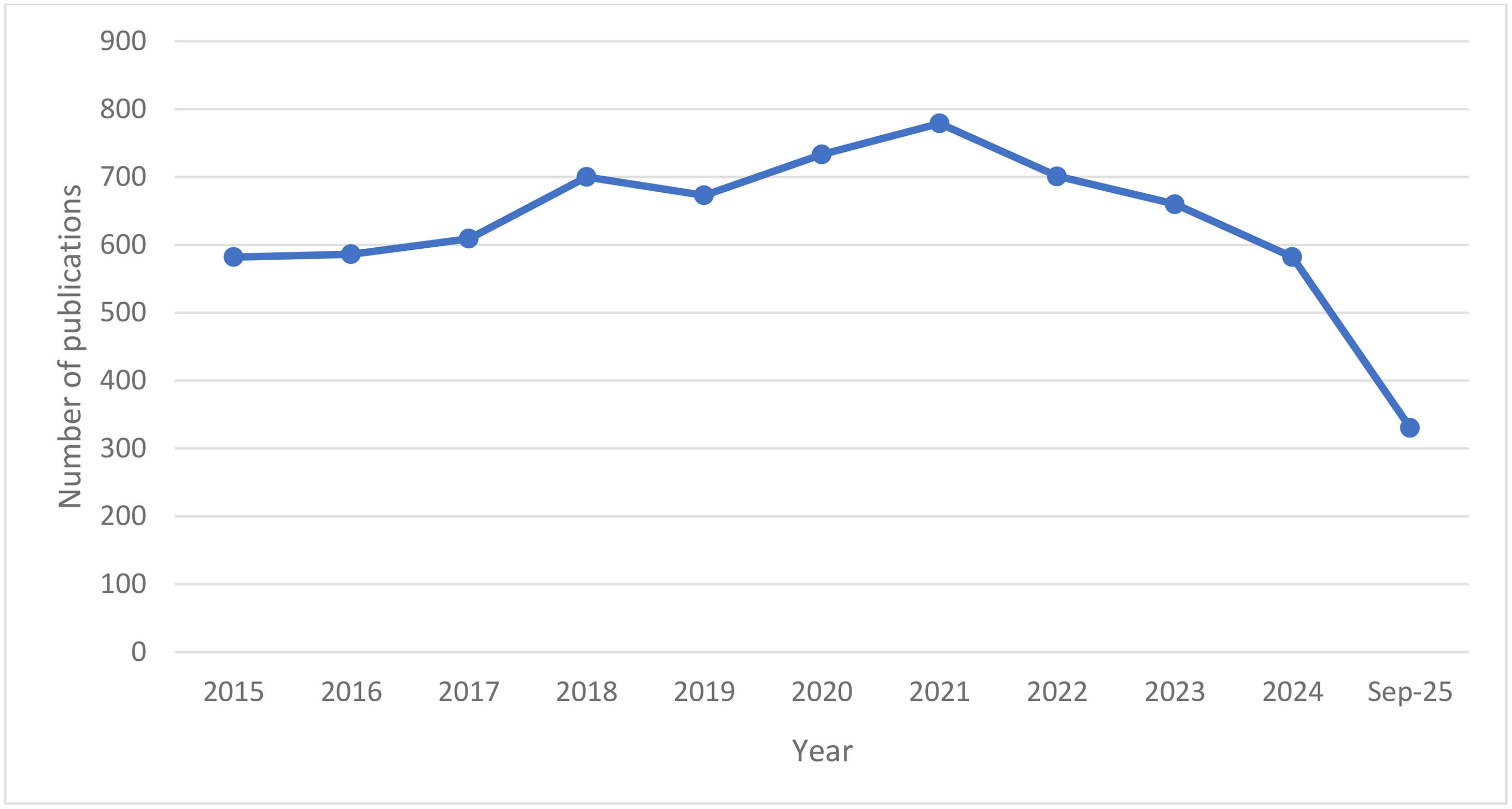
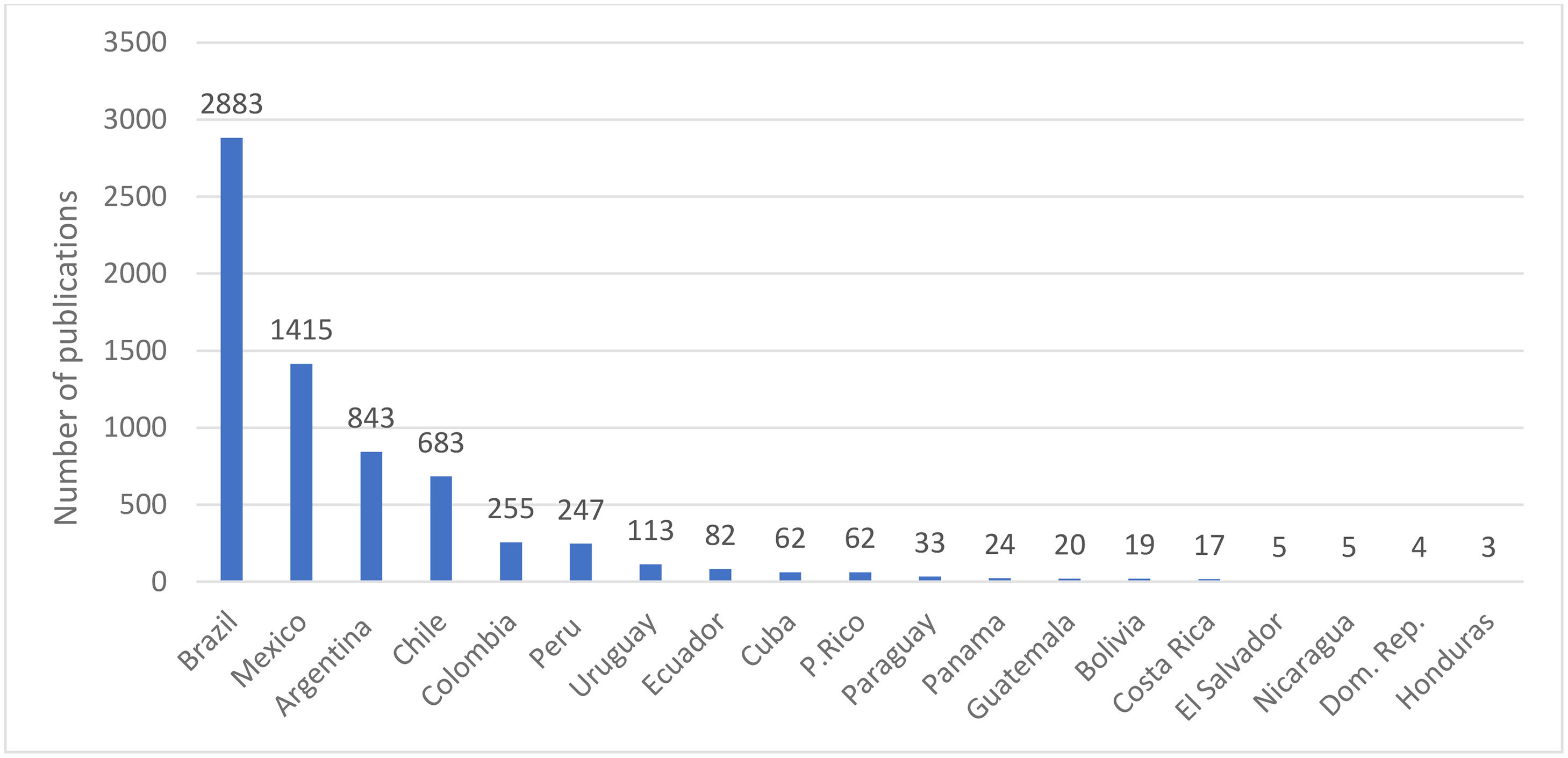
3.3Secondary data sourcesBibliometric analysis showed a steady increase in hepatology publications from 2015 to a peak in 2021, followed by a subsequent decline. Brazil, Mexico, Argentina, and Chile accounted for approximately 85% of all LA hepatology publications during the study period (Fig. 2).
Trend of hepatology publications in Latin America (2015–2025). A progressive increase in the number of hepatology publications was observed until 2021, followed by a gradual decline through 2025, which may reflect pandemic-related disruptions and reduced regional funding. Source: PubMed (NIH/NLM). Search strategy: liver diseases [MeSH Major Topic] AND Latin America affiliations (2015–2025).
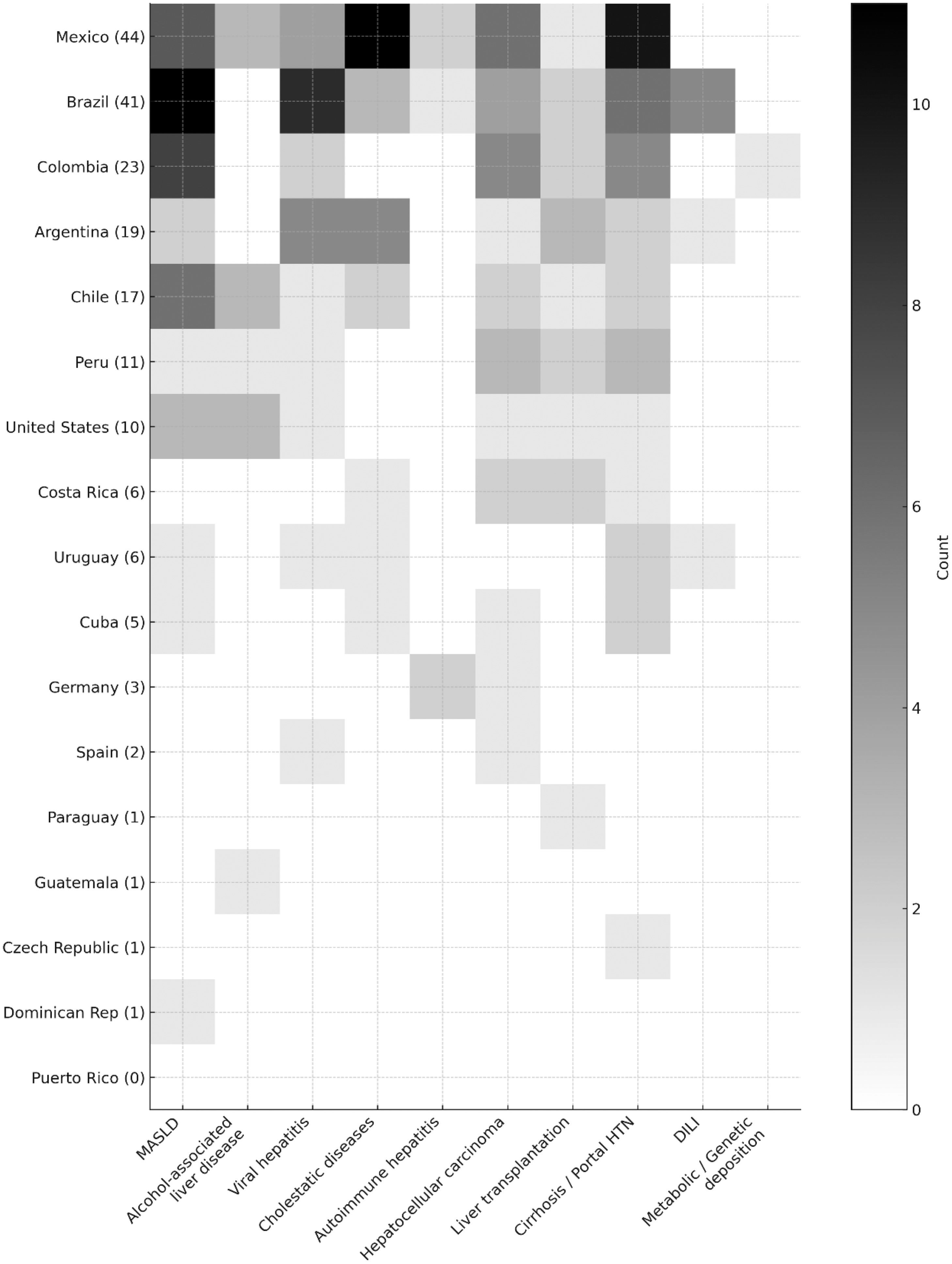
An analysis of abstracts submitted to the ALEH 2025 annual meeting (n = 191) demonstrated predominance of observational studies (65.9%), whereas clinical trials accounted for only 1.6%. Thematically, submissions were led by MASLD, cirrhosis/portal hypertension, and liver cancer. The geographic distribution mirrored GAHCI gradients, with five countries accounting for approximately 75% of submissions (Figs. 3 and 4). Six abstracts included affiliations from European countries (Germany [3], Spain [2], and the Czech Republic [1]), highlighting international collaboration.
Hepatology-related publications by country in Latin America (2015–2025). Brazil concentrates the highest scientific output in hepatology, followed by Mexico, Argentina, and Chile. Together, these four countries account for over 85% of all publications in the region, while most others show minimal production, reflecting marked disparities in research capacity. Source: PubMed (NIH/NLM). Search strategy: liver diseases [MeSH Major Topic] AND Latin America affiliations (2015–2025).
Heatmap showing the distribution of hepatology abstracts submitted to ALEH 2025 by topic and country. Values represent absolute counts per thematic category. Countries are ranked in descending order according to total number of submissions (shown in parentheses). Values represent absolute counts per thematic category.
This study provides the first multi-source, region-wide assessment of academic hepatology capacity in LA, integrating workforce, training, research productivity, clinical complexity, and collaboration into a single composite framework. By triangulating data from national hepatology societies, bibliometric output, and congress abstracts, the GAHCI captures structural determinants not evident when individual domains are assessed in isolation [1,2].
A small group of countries concentrates trained hepatologists, formal fellowship programs, research infrastructure, and access to advanced clinical services, while most nations operate with fragmented academic ecosystems. Workforce density and formal recognition of hepatology as a specialty emerged as central determinants of capacity, influencing training availability, scientific productivity, access to advanced therapies, and overall GAHCI performance, consistent with international frameworks linking specialized human capital to sustainable clinical and research development [11,15].
A major gap identified was the scarcity of formal hepatology training programs, with over half of countries lacking structured fellowships. Countries with established training pathways consistently demonstrated higher scientific productivity, greater clinical complexity, and stronger collaborative networks [18]. This may also limit capacity for interventional research, including clinical trials.
Constraints in laboratory infrastructure, the absence of comprehensive national registries, and uneven access to high-cost first-line systemic therapies for advanced HCC limit evidence generation and equitable care, underscoring persistent regulatory and financial barriers [1,19,20].
The decline in publication output after 2021 likely reflects COVID-19-related disruptions to clinical research and temporary reallocation of funding and institutional priorities, particularly in resource-constrained settings [15,16]. In parallel, the very low proportion of clinical trials (1.6% of ALEH 2025 abstracts) underscores persistent barriers to interventional research, including limited infrastructure, funding, regulatory complexity, and insufficient protected research time [11,16,18].
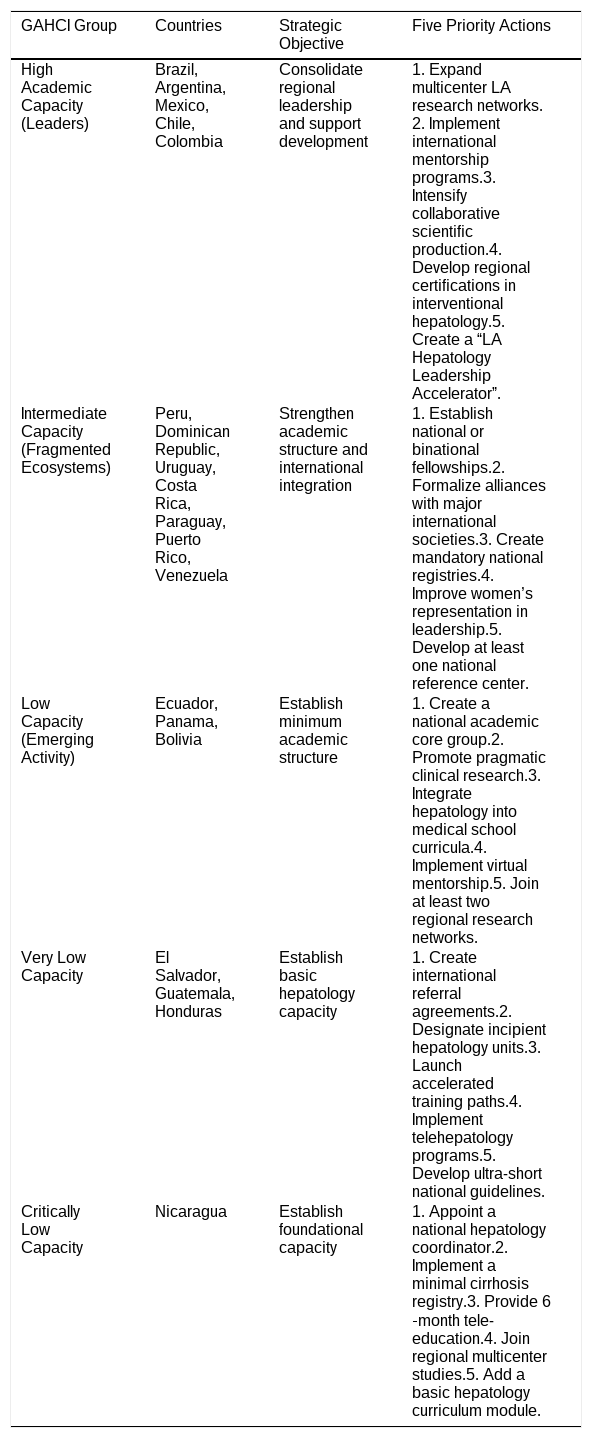
The concordance between GAHCI gradients, publication output, and abstract patterns supports construct validity and highlights how structural capacity shapes research agendas. These gradients support stage-specific capacity strategies (Table 6). Limitations include potential underestimation of intra-country heterogeneity and sensitivity to index weighting; rank stability was high.
Priority strategic actions to strengthen hepatology training and academic capacity in Latin America.
Countries with the lowest composite scores show critical gaps primarily in training programs (IFA), research productivity (IPC), and insufficient workforce density (ICH). Mid-tier countries exhibit partial development, requiring targeted reinforcement of specific domains such as networking (ICR) and clinical infrastructure (ICA). High-performing countries require strategic consolidation rather than remediation. The recommendations reflect a tailored, domain-based approach aligned with each country's position in the regional distribution of academic hepatology capacity.
Academic hepatology capacity in LA is marked by profound structural disparities across workforce, training, research, clinical complexity, and collaboration. The GAHCI offers the first quantitative, multidimensional framework to identify these gaps and inform stage-specific, regionally coordinated capacity-building strategies. Addressing them will require sustained investment in training, research infrastructure, data generation, and equitable access to advanced care to meet the growing burden of CLD.
FundingThis research did not receive any specific grant from funding agencies in the public, commercial, or not-for-profit sectors. M.A. was partially supported by the Agencia Nacional de Investigación y Desarrollo (ANID, Chile) through FONDECYT Project No. 1241450.
Author contributionPablo Coste and Marco Arrese conceived the study, coordinated data collection, led the methodological design, performed the analyses, and drafted the manuscript. Luis Antonio Díaz, Juan Pablo Arab, Ezequiel Ridruejo, Mario Pessoa, and Nelia Hernández contributed to study design, critical interpretation of the results, and manuscript revision for important intellectual content. All authors reviewed and approved the final version of the manuscript and agree to be accountable for all aspects of the work.
Declaration of generative AI use in the writing processDuring the preparation of this work, the authors used ChatGPT (OpenAI) as an AI-assisted tool to support language editing and assist in the refinement of academic wording. After using this tool, the authors critically reviewed, edited, and validated all content, and take full responsibility for the accuracy, originality, and integrity of the published article.
None.
We thank the national hepatology societies and their designated representatives from the 20 Latin American countries for completing the survey and contributing essential data for the development of the GAHCI.